We offer a wide collection of free, high-quality printable coloring pages for kids and adults. From cute animals to intricate mandalas, our designs bring creativity and relaxation to everyone. Download, print, and start coloring today!

Whether it’s curled up in a sunbeam, pouncing on a dangling string, or peering out from a cardboard box, a cat can make anyone smile. That’s why Huegami’s cat coloring sheets are such a hit with kids, parents, and teachers. Every page is free and printable, so you can grab a stack of cat coloring pages and start coloring in minutes. Along the way, this guide shares a closer look at what makes cats so special, from their whiskers to their sleepy habits, plus a few ideas to keep the cat fun going long after the crayons are put away.
↓ Jump to the free printable pages
Meet the Cat: A Closer Look at Our Favorite Purring Pals
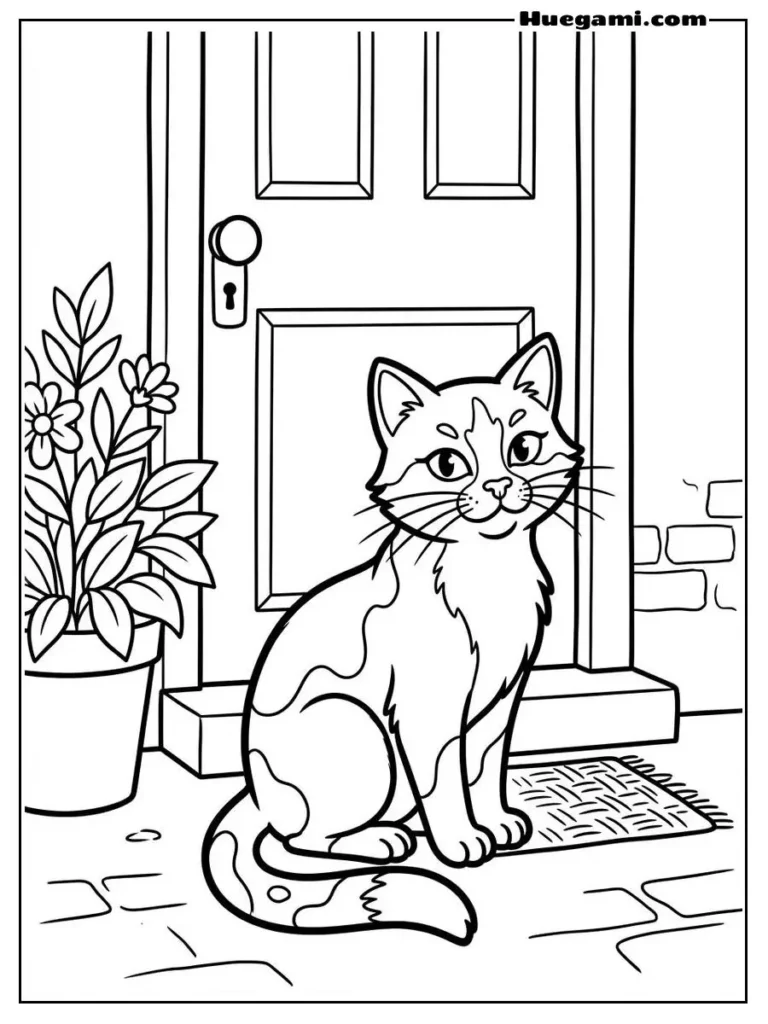
Cats have shared homes with people for a very long time. Long ago, wild cats were drawn to villages and farms where grain was stored, because mice and rats were drawn there too. People noticed that these clever hunters helped protect their food, and slowly a friendship formed. Over many generations, some of those wild cats became the house cats we know today. In ancient Egypt, cats were treated with great respect, and they appeared in art and stories of that time. Some say they were thought of as gentle guardians of the home, which is a lovely idea to remember when you’re coloring a cat sitting proudly by a doorway.
Part of what makes a cat so fun to color is how many special features it has. Start with the whiskers. These long, stiff hairs grow on the cat’s face and help it feel the world around it, especially in dim light. Then there are the ears, which can swivel toward different sounds, and the eyes, which are famous for their glow-in-the-dark look and their pupils that can shrink into thin slits in bright light. Cats also have soft paw pads and small claws that can tuck away when they aren’t needed, which is why a cat can walk so quietly. If you’re coloring a free cat coloring sheet, try looking closely at the paws and whiskers and think about how each one helps the cat.
Cats communicate in many ways, and kids often enjoy learning to read them. A tail held high often shows a happy, friendly cat. A slow blink is sometimes described as a cat’s way of saying it feels relaxed around you. Purring usually goes along with contentment, although cats may purr in other situations too. Meowing is something cats mostly do to talk to people rather than to each other, so a chatty cat is really just telling its human what it wants, whether that’s breakfast or a little attention.
Cats come in a wonderful mix of coats. Some are striped, some are spotted, some have patches of several colors, and some are one solid shade from nose to tail. Their fur can be short and sleek or long and fluffy. That variety is a gift for anyone with a box of markers, because there’s no wrong way to color a cat. A purple tabby or a rainbow-striped kitten is just as welcome as a classic orange one. Cats are also famous for spending a large part of their day resting, then bursting into playful energy, often around dawn and dusk. It’s no surprise they inspire so many stories and drawings.
Cats also have lots of relatives. Lions, tigers, and leopards all belong to the same broad cat family, and if your family enjoys wildlife coloring sheets, it’s fun to notice how a pet cat’s stalking walk and pointed ears echo those of its big, wild cousins. Looking at a house cat this way turns an everyday pet into a small window on the animal world.
Where Do Cats Live and How Do They Grow Up?
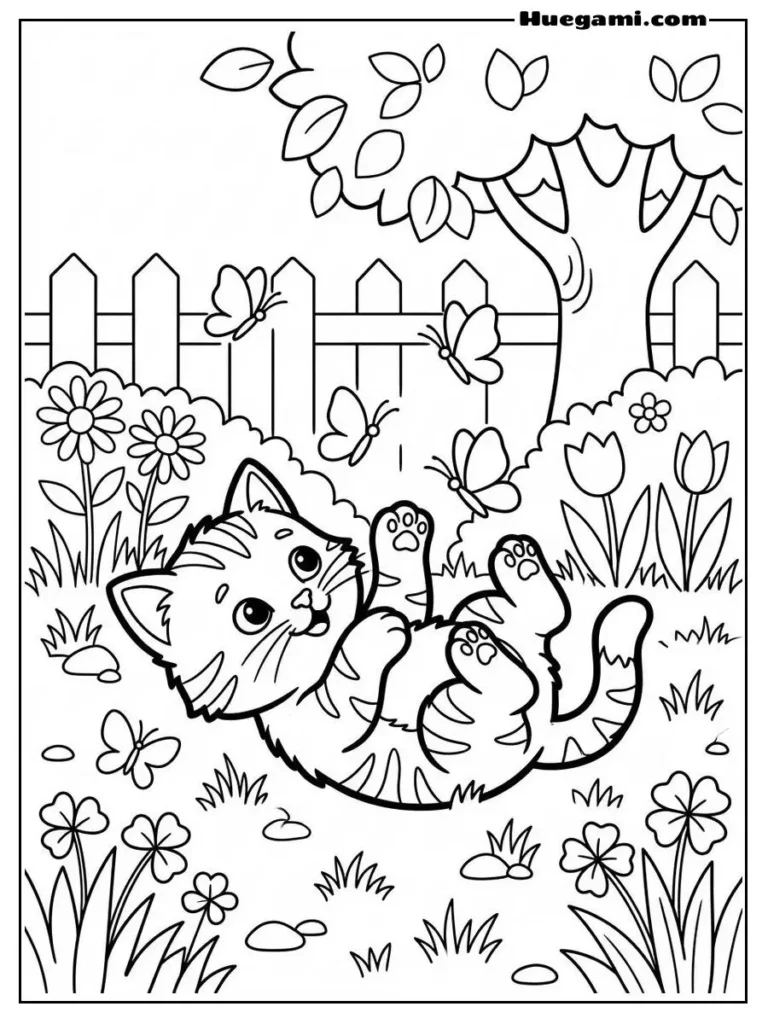
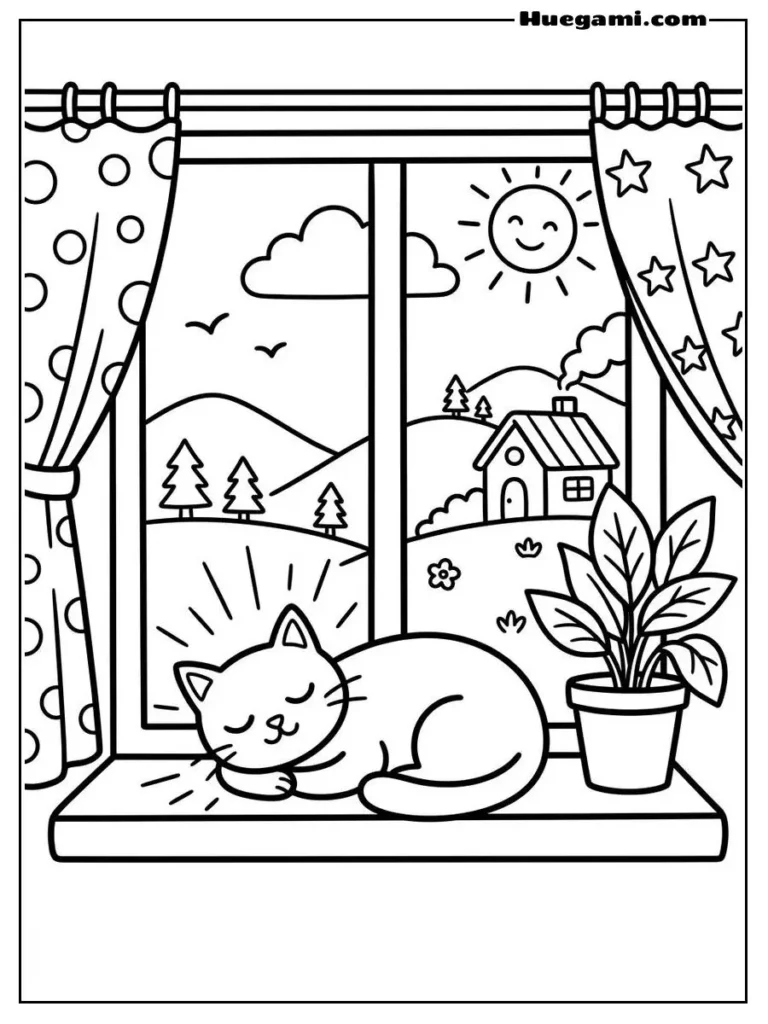
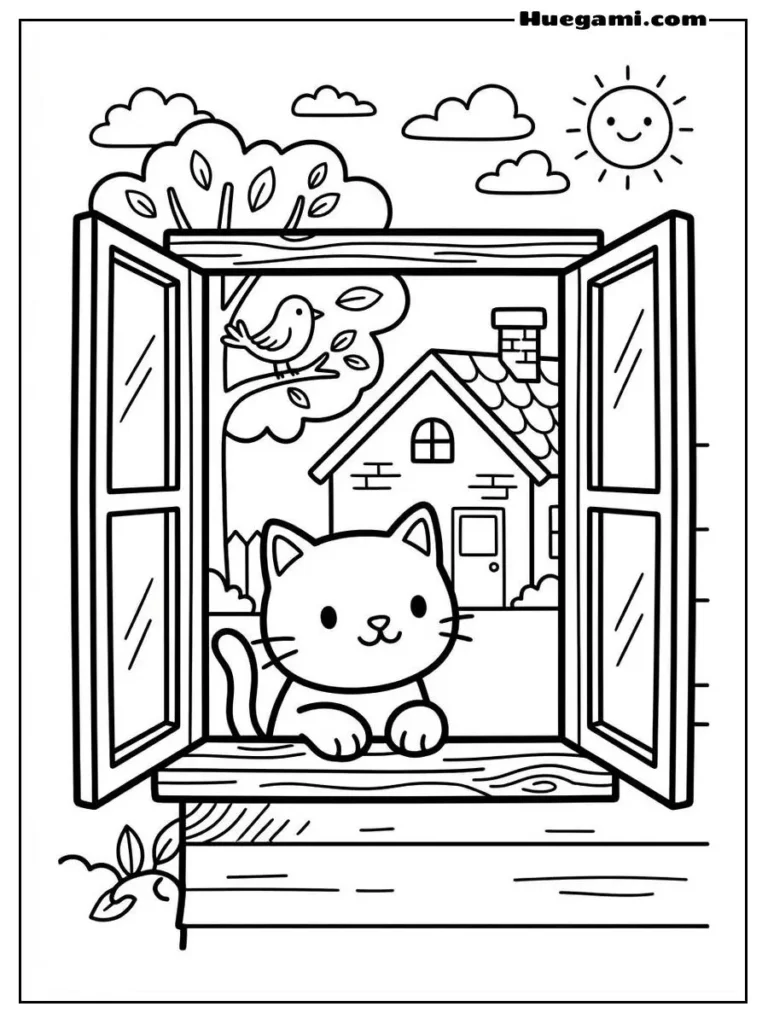
Most pet cats live right alongside their families, whether that’s in a busy apartment, a quiet farmhouse, or a house with a garden. Indoor cats often claim a favorite spot, like a windowsill with a view of the birds outside, a cozy blanket, or the top of a tall cat tree. Some cats love to explore outdoors under a watchful eye, while others are happiest staying safe and snug inside. Wherever they live, cats like a place that feels calm and predictable, with somewhere soft to nap and somewhere high to look around.
Wild cat relatives live in very different places. Some prowl through thick forests, some roam wide grasslands, and others make their homes on rocky mountains or in dry, sandy deserts. Each kind has a coat and body that suits its home. That’s a fun thought when you’re coloring, because a page showing a cat in a garden, a forest, or a moonlit rooftop can inspire a conversation about where different cats might live and what colors they might blend into.
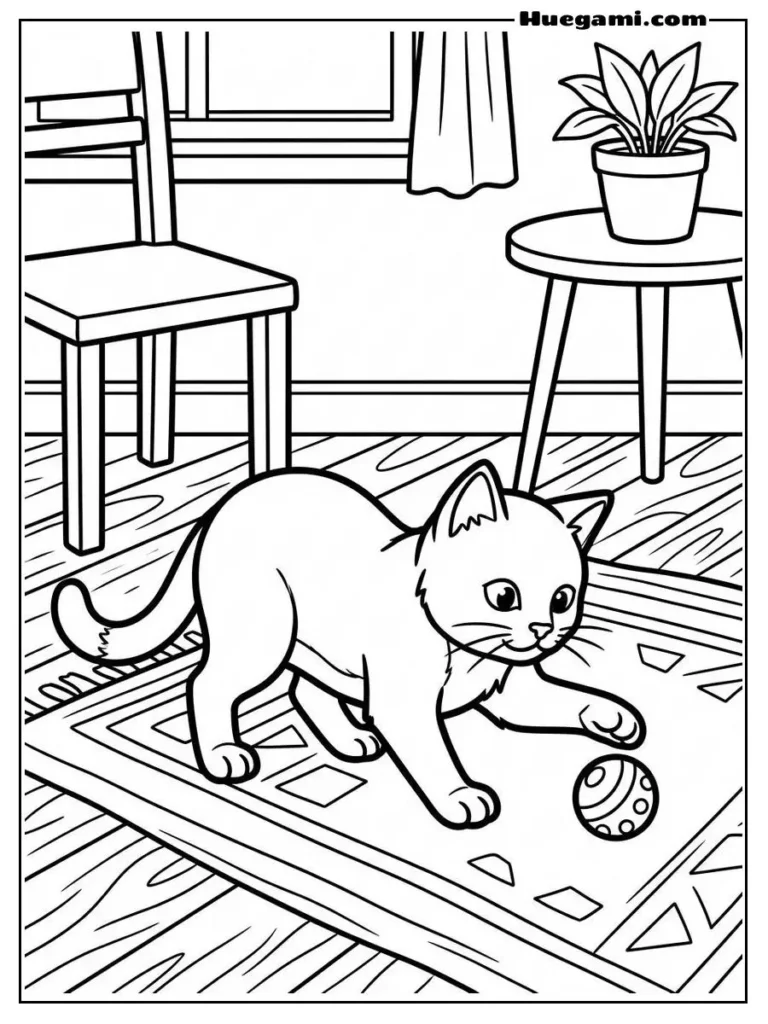
Every cat’s story starts as a kitten. Newborn kittens are tiny, and their eyes are closed at first. They stay close to their mother for warmth and food, and she takes very good care of them. After a little while, their eyes open and they begin to wobble around and explore. Kittens learn a great deal through play. Pouncing on a toy, chasing a rolling ball, and wrestling with a sibling all help them practice the moves they’ll use as they grow. Their mothers also teach them how to groom themselves, which is why you’ll often see cats washing their paws and faces.
As kittens get bigger, they become steadier on their feet, more curious, and more independent. Eventually they grow into adult cats with all the grace and confidence we admire. A great many kids enjoy following this journey, from a fluffy kitten with oversized paws to a sleek grown-up cat. If you’re looking through a printable cat coloring book, you might spot both stages, and you can imagine how a kitten’s cute wide eyes will change as it grows.
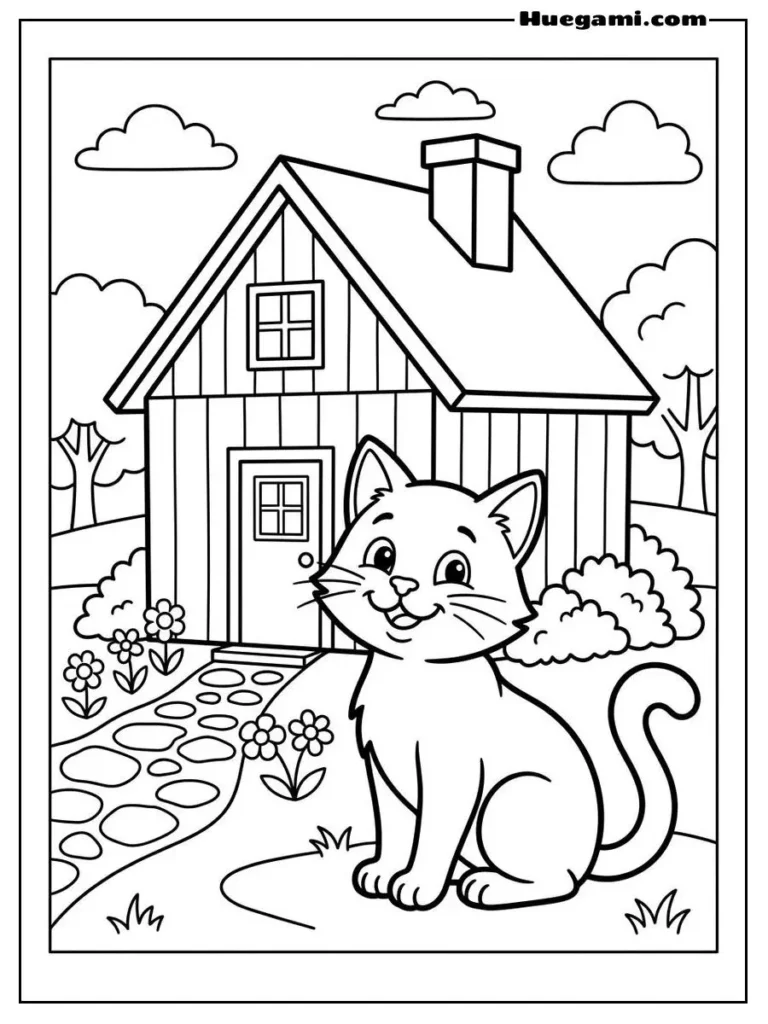
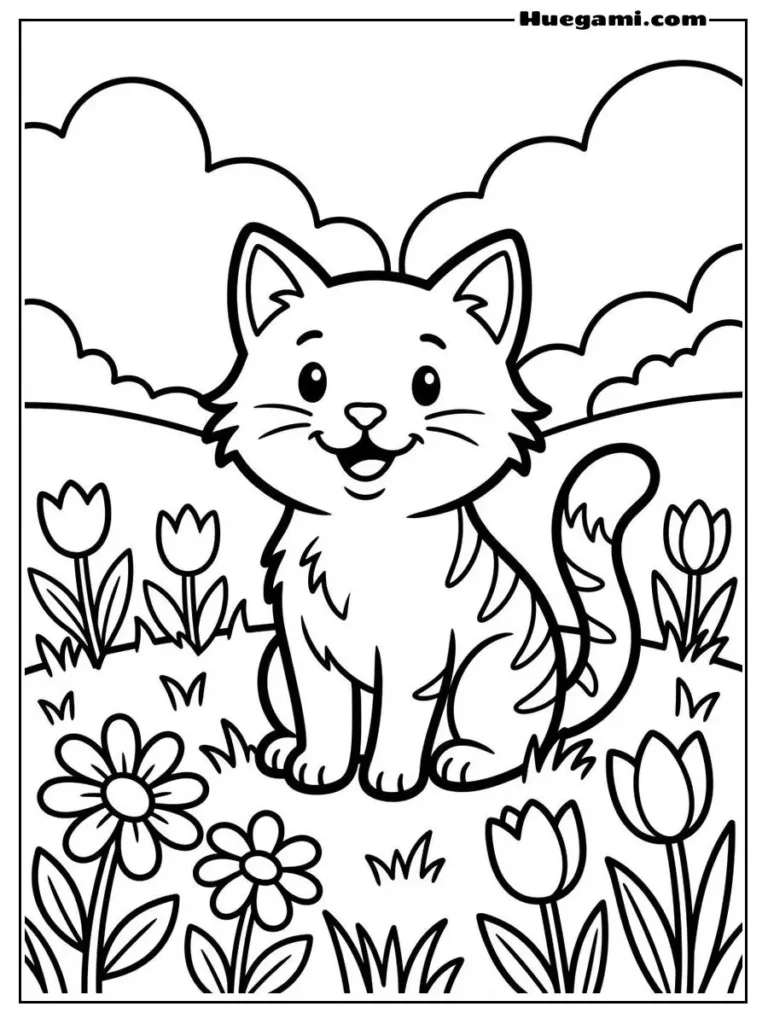
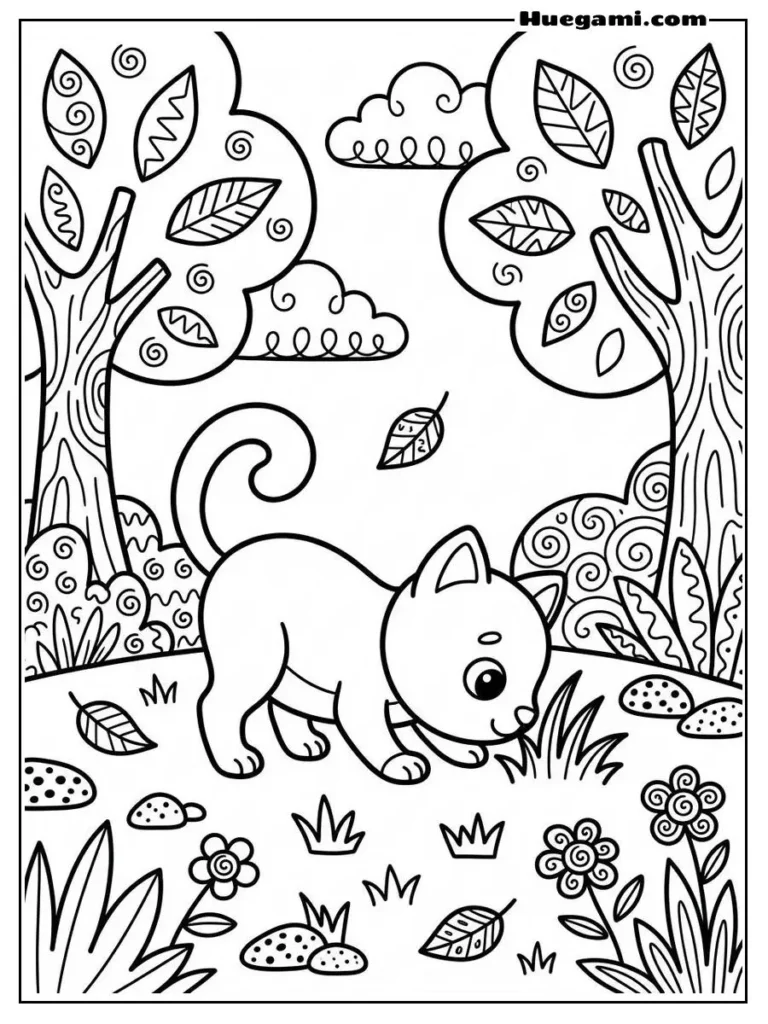
What’s Inside These Coloring Sheets
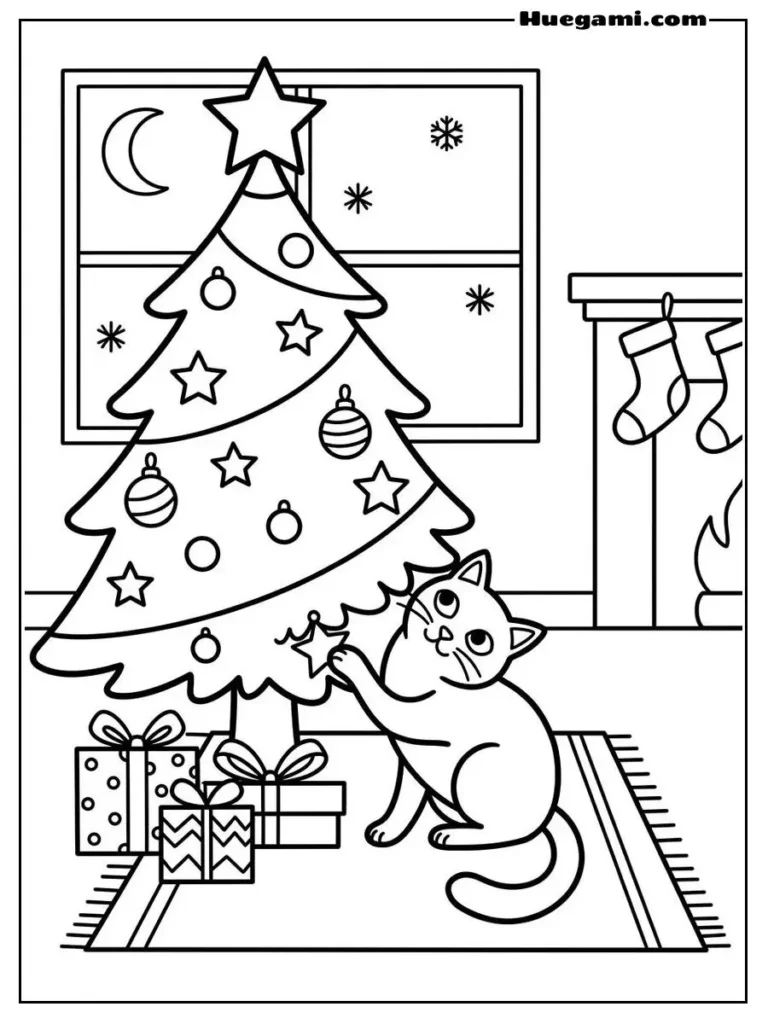
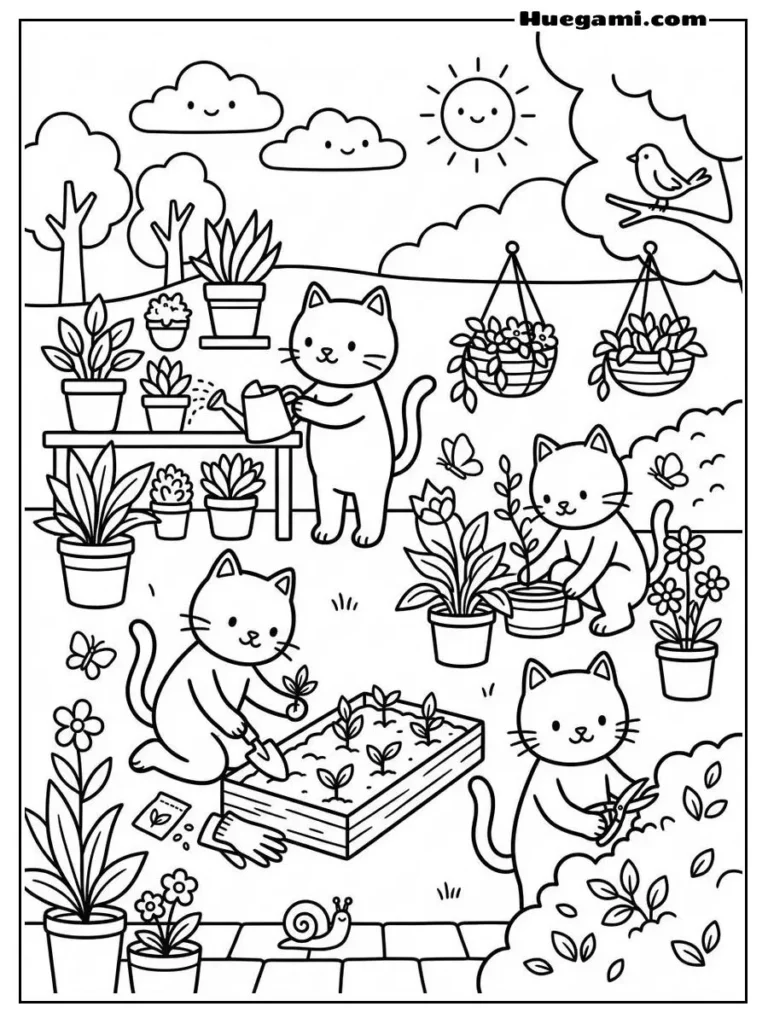
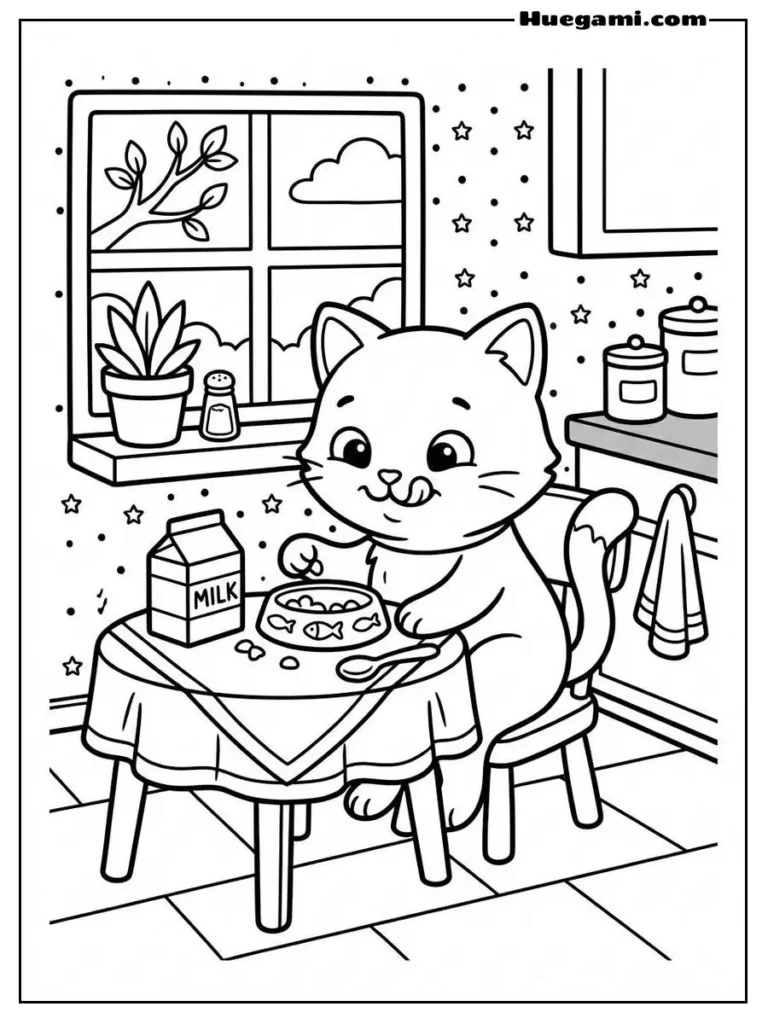
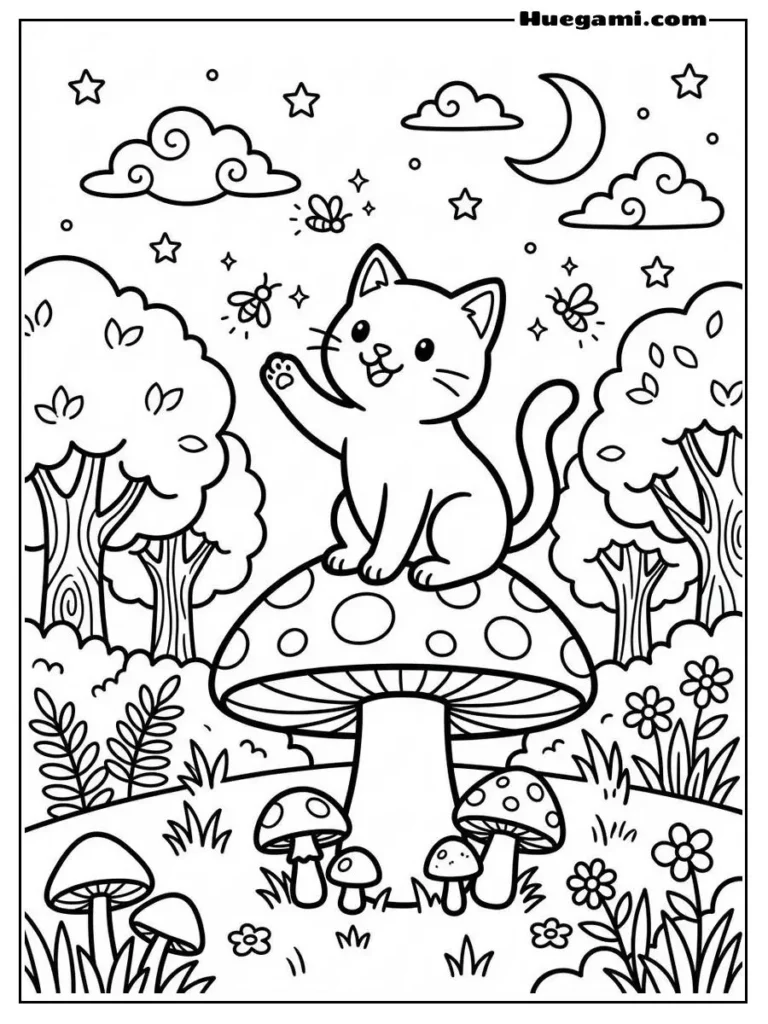
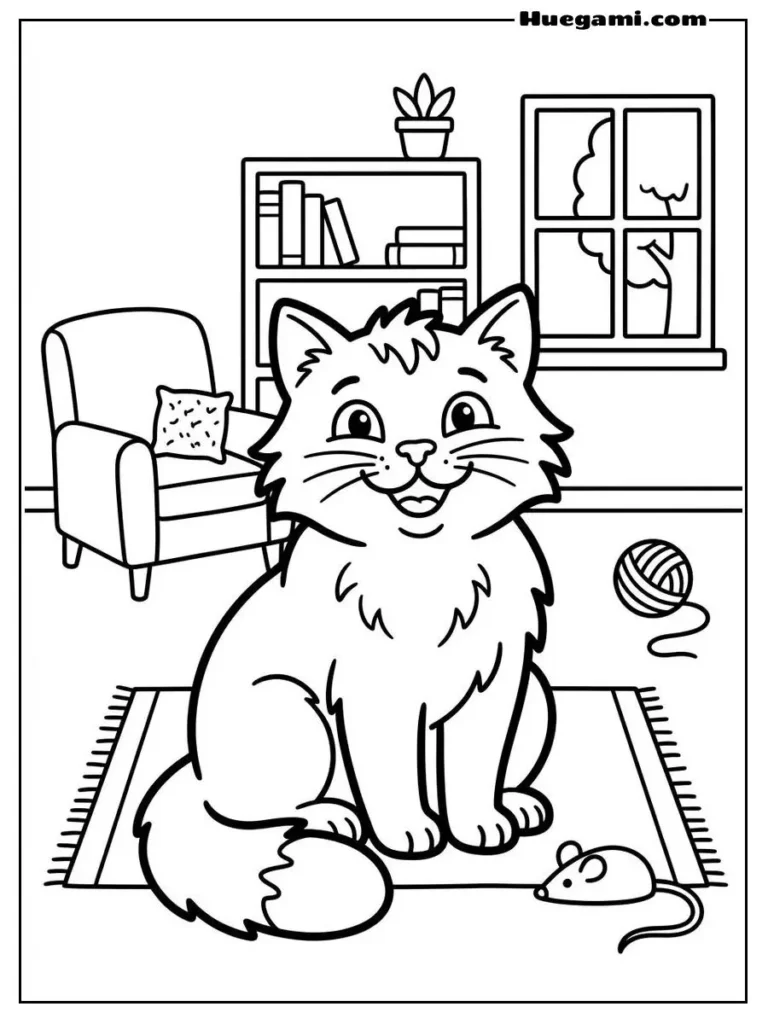
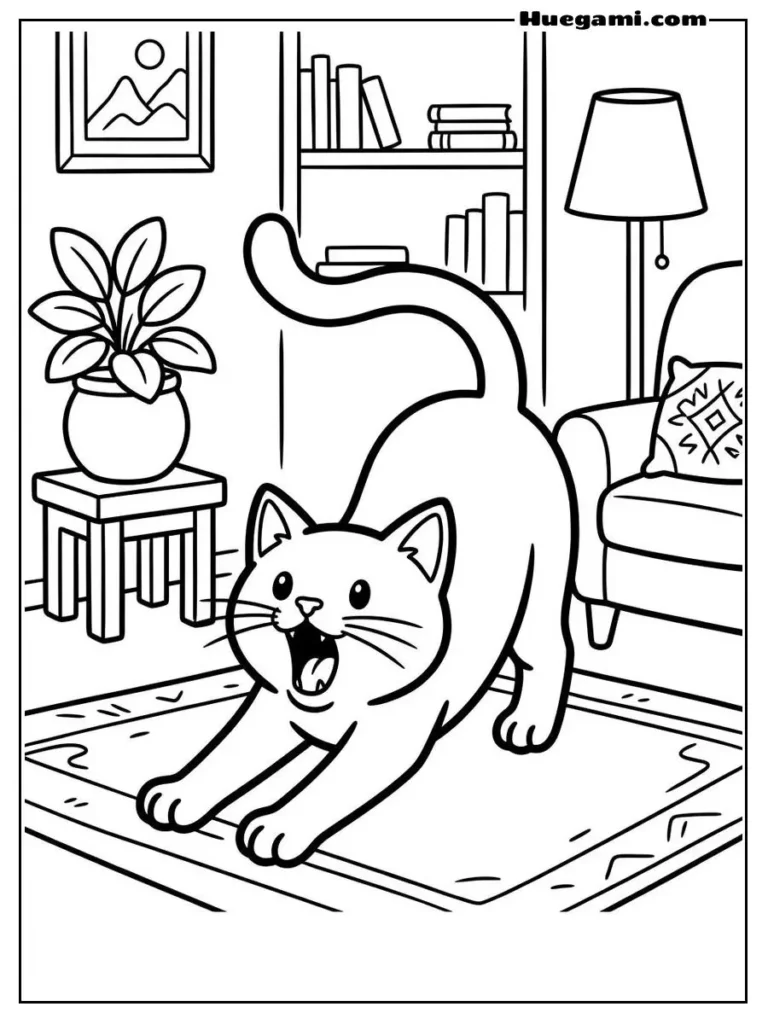
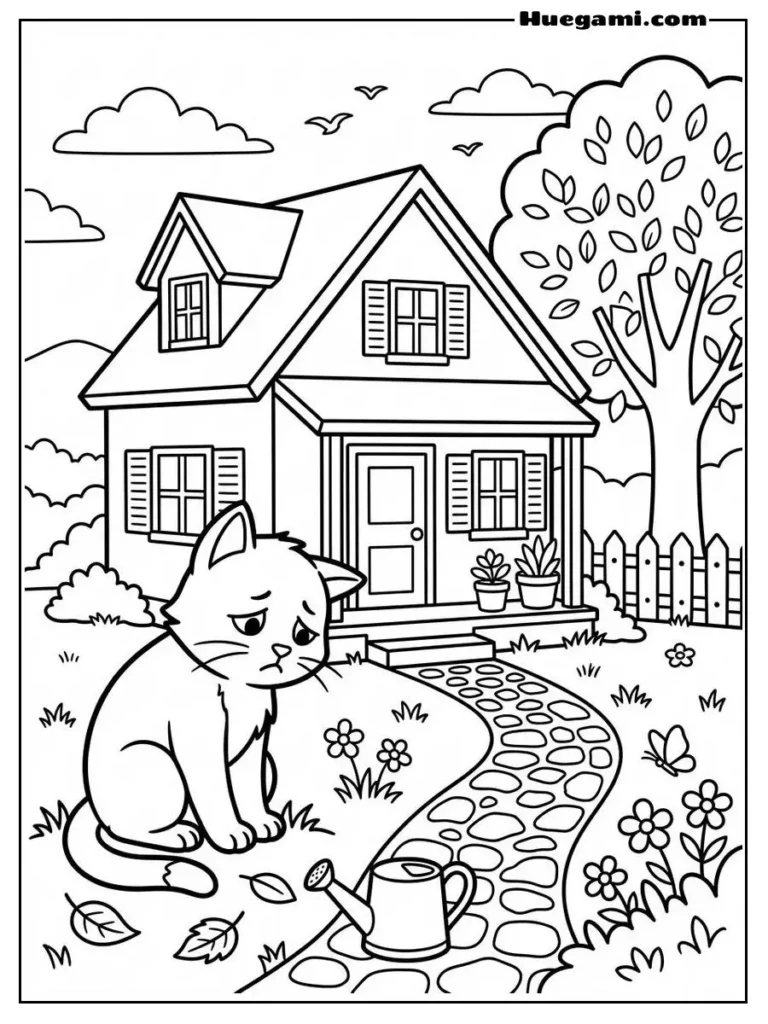
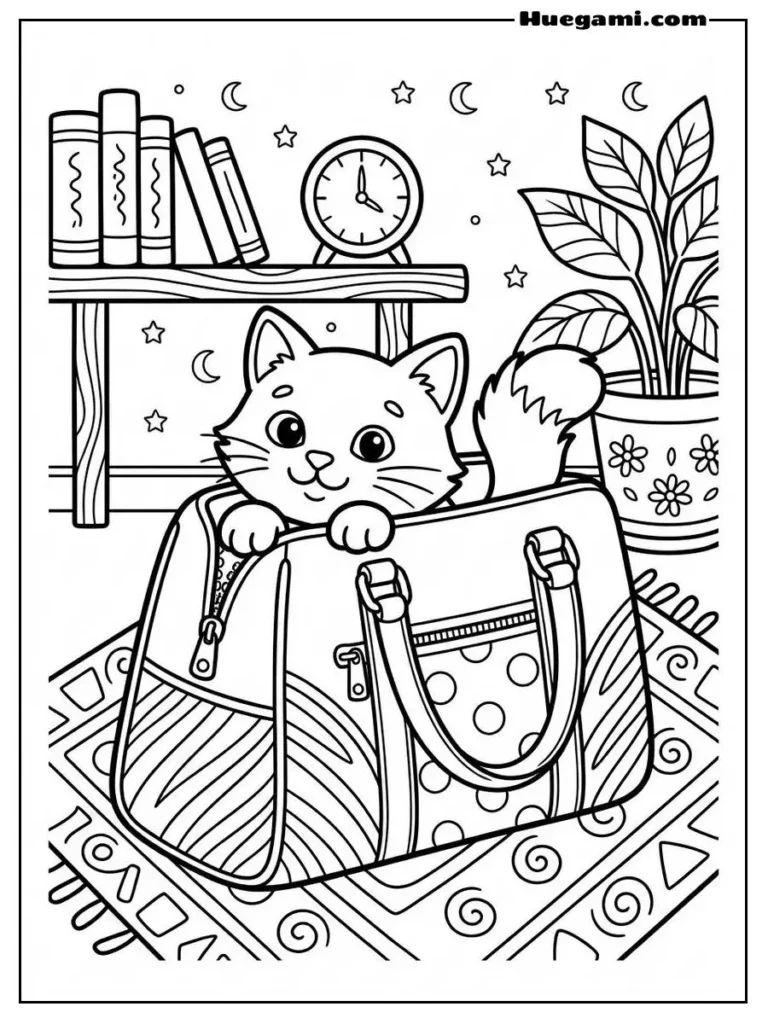
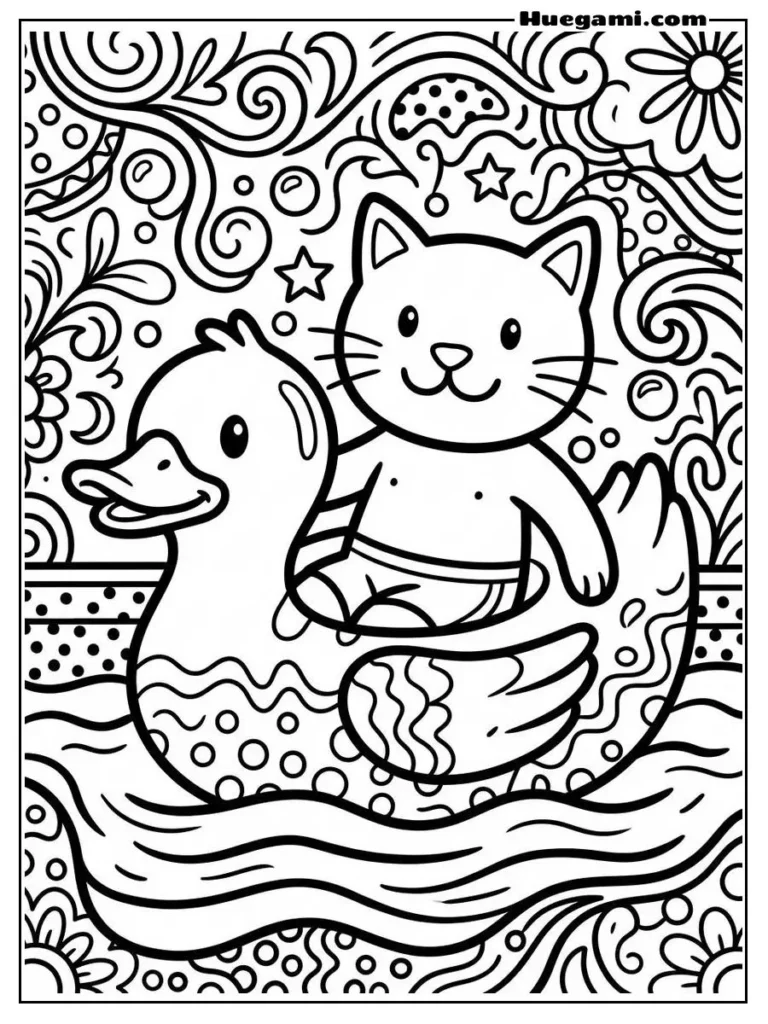
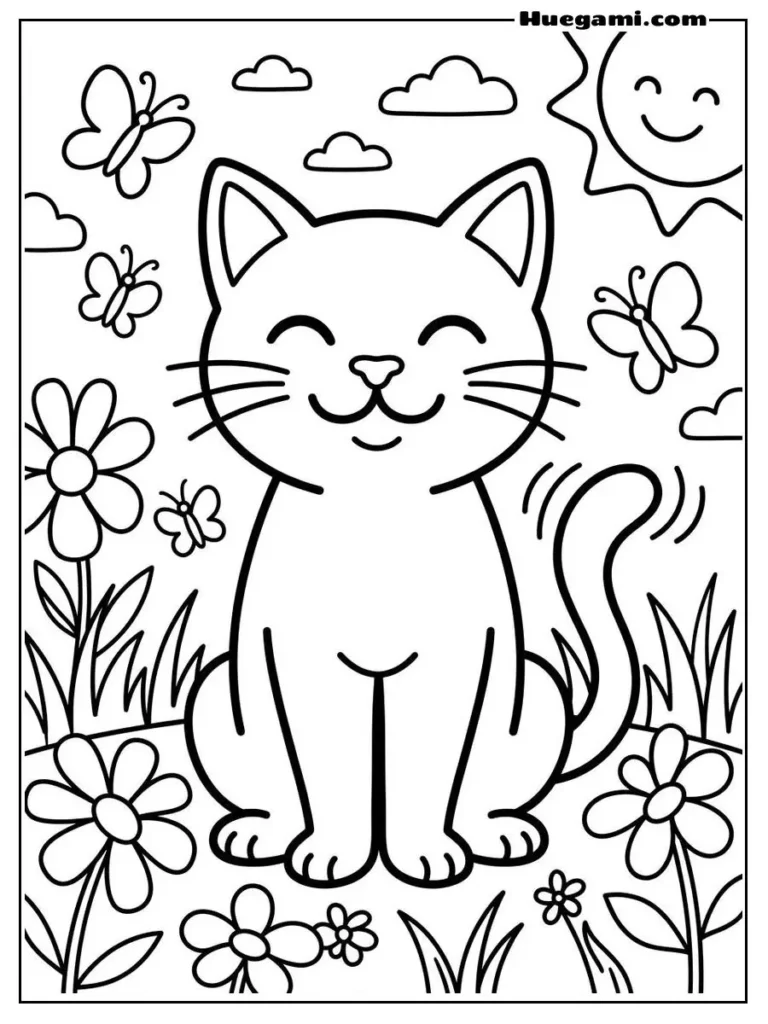
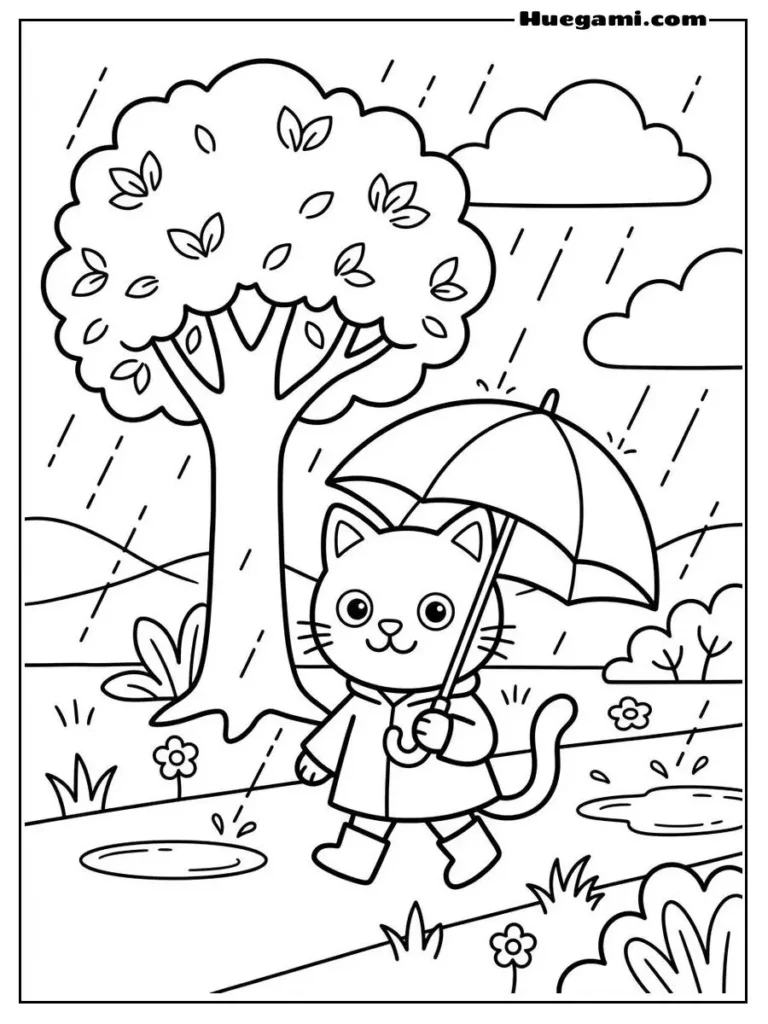
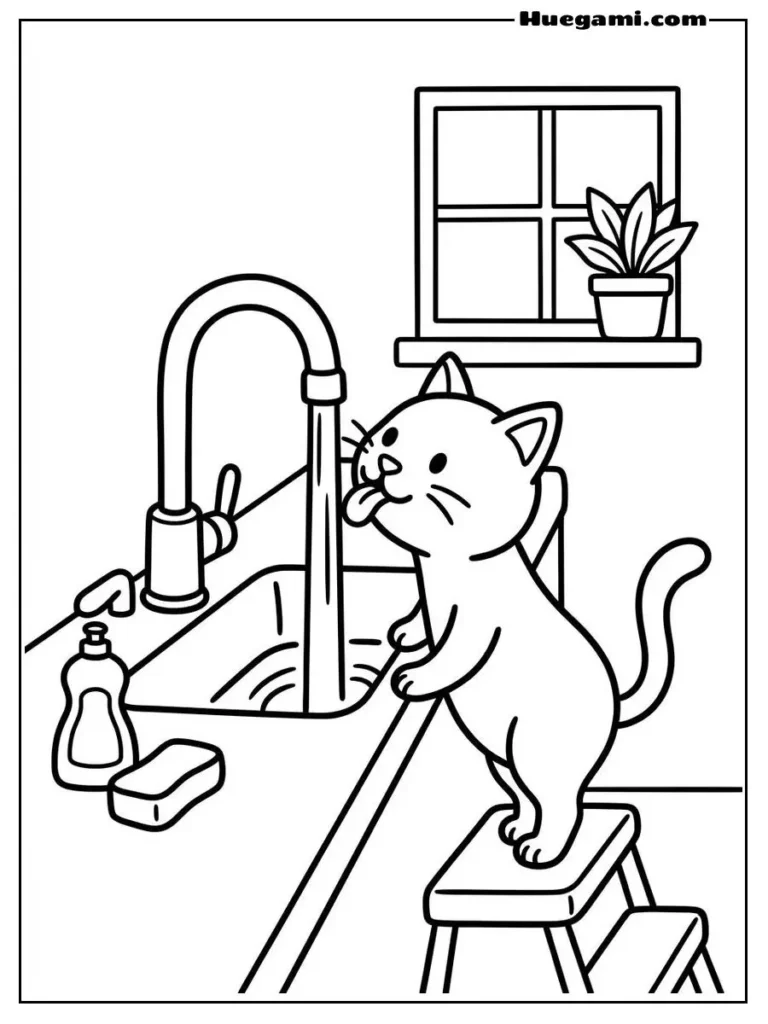
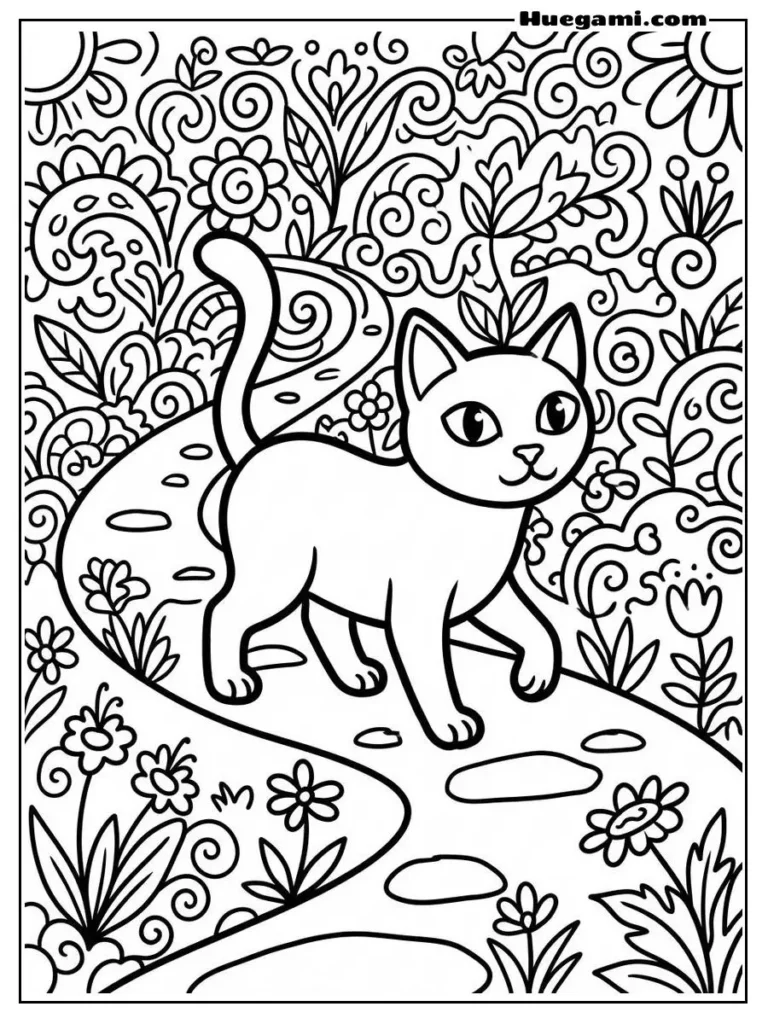
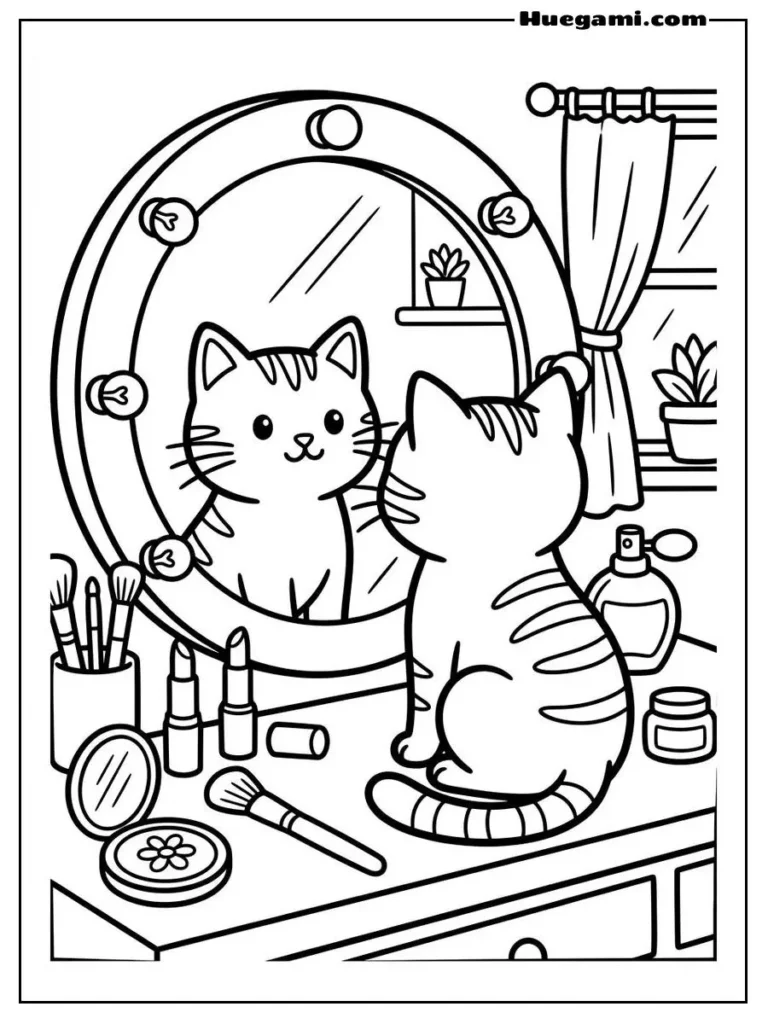
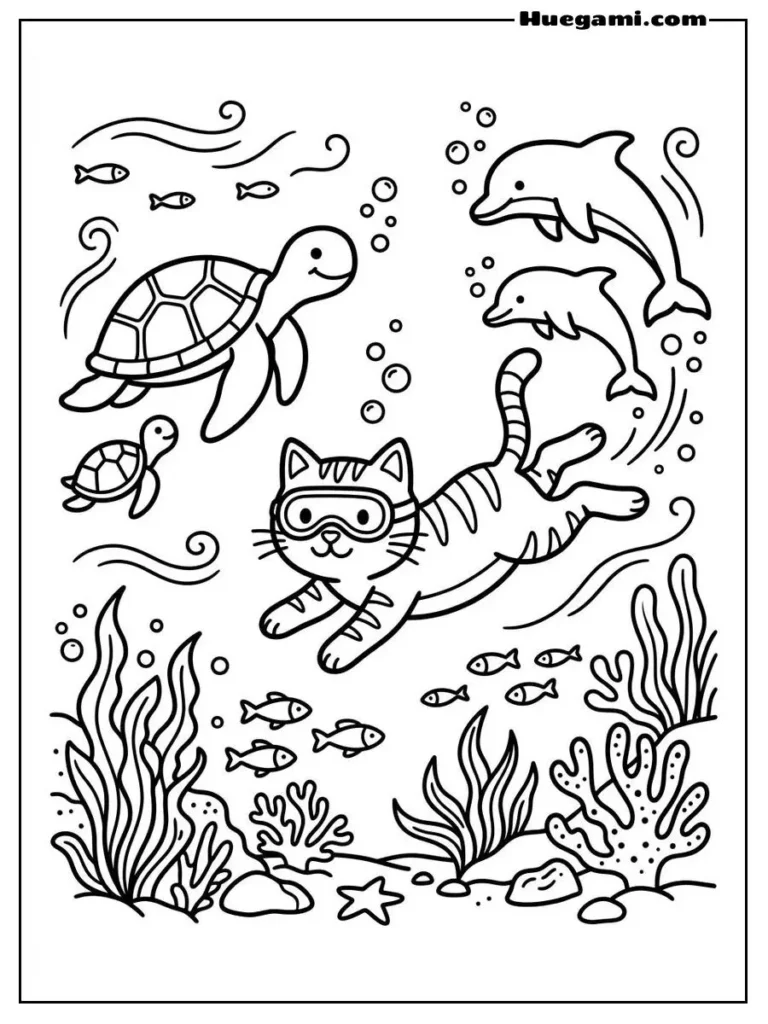
Our collection is filled with cats in all sorts of moods and moments, so there’s something for every kind of cat lover. Here’s a taste of what you’ll find in these pages:
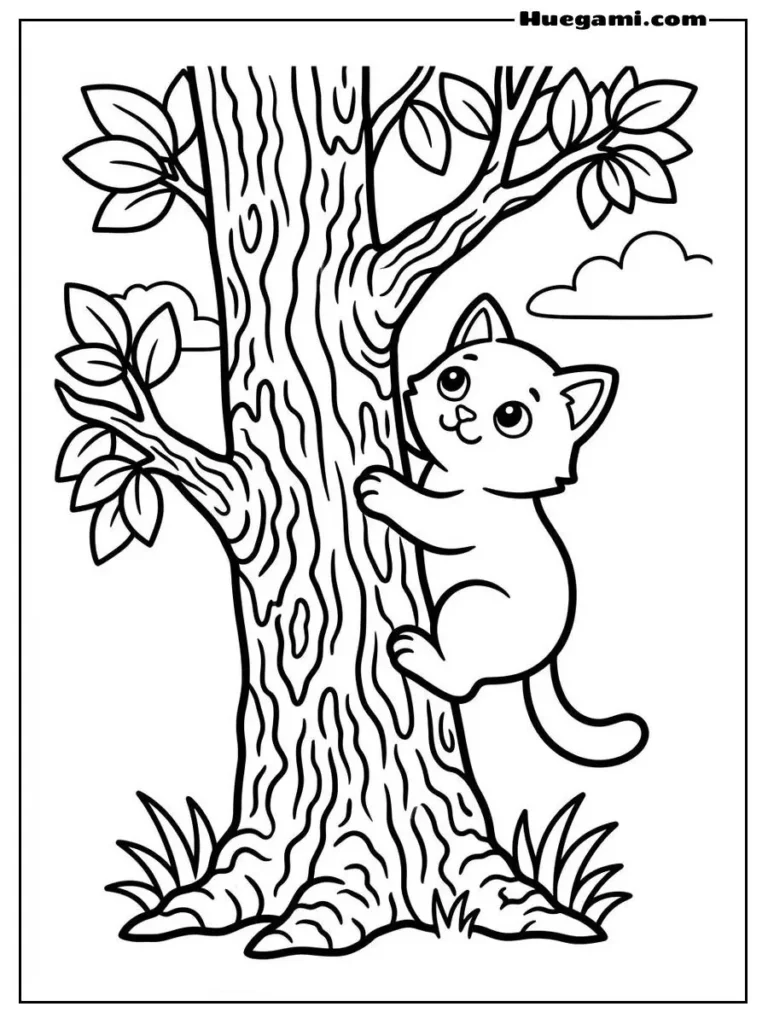
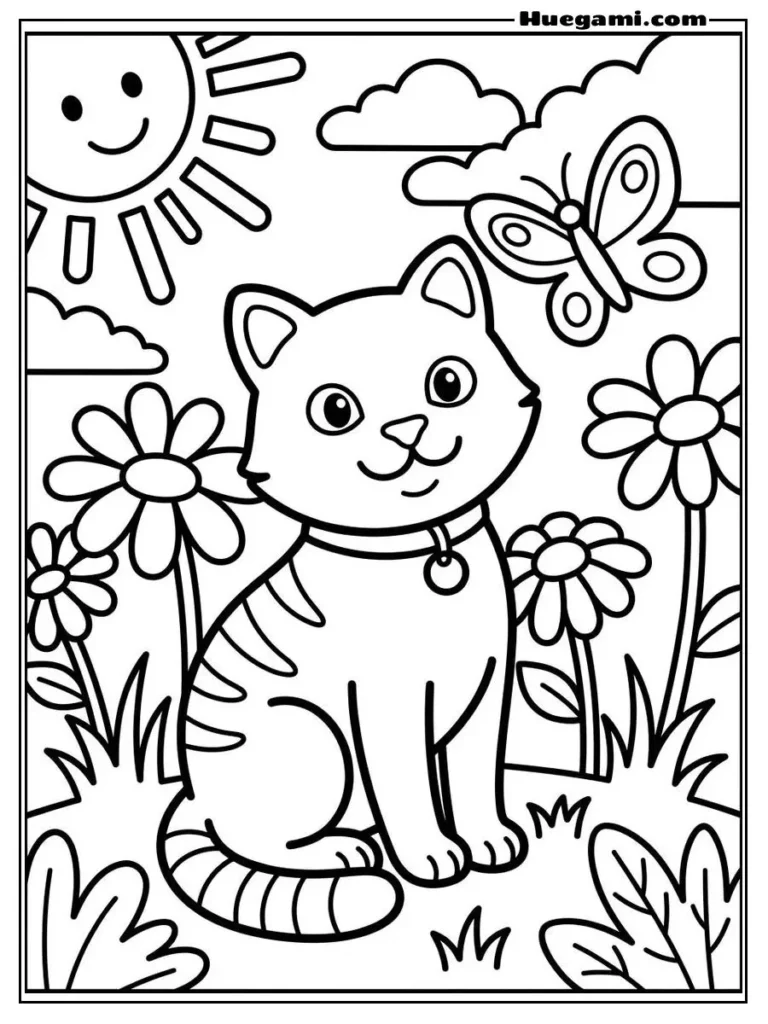
- Cuddly kittens with big eyes and round little faces, great for younger children who enjoy simple, bold outlines.
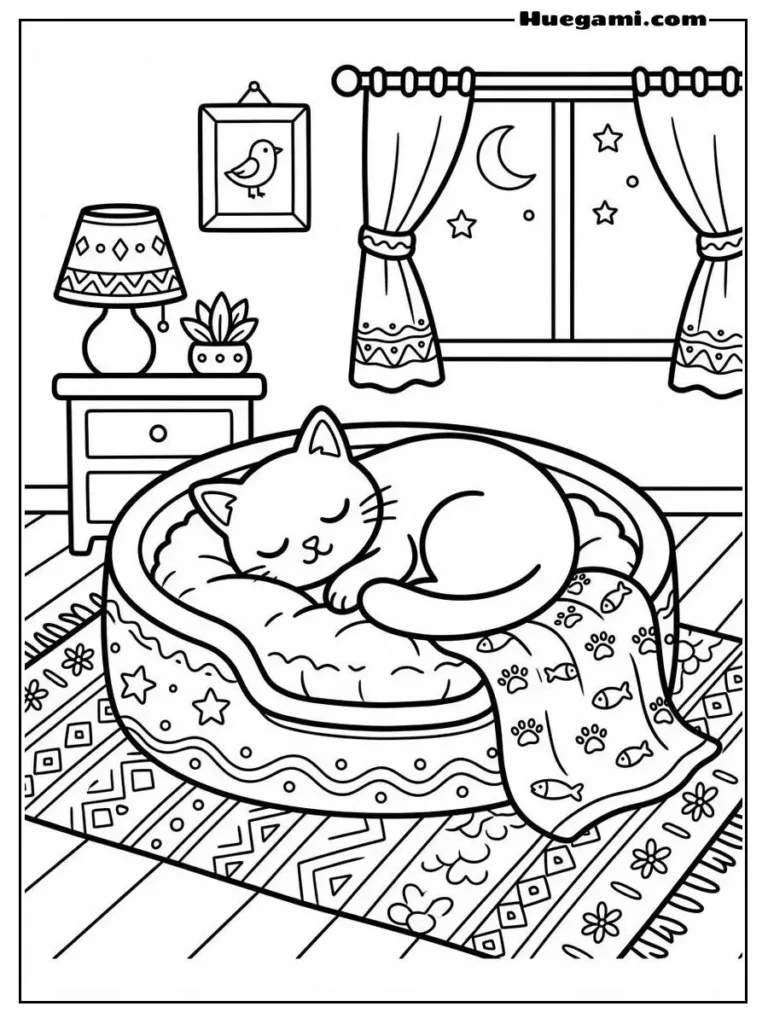
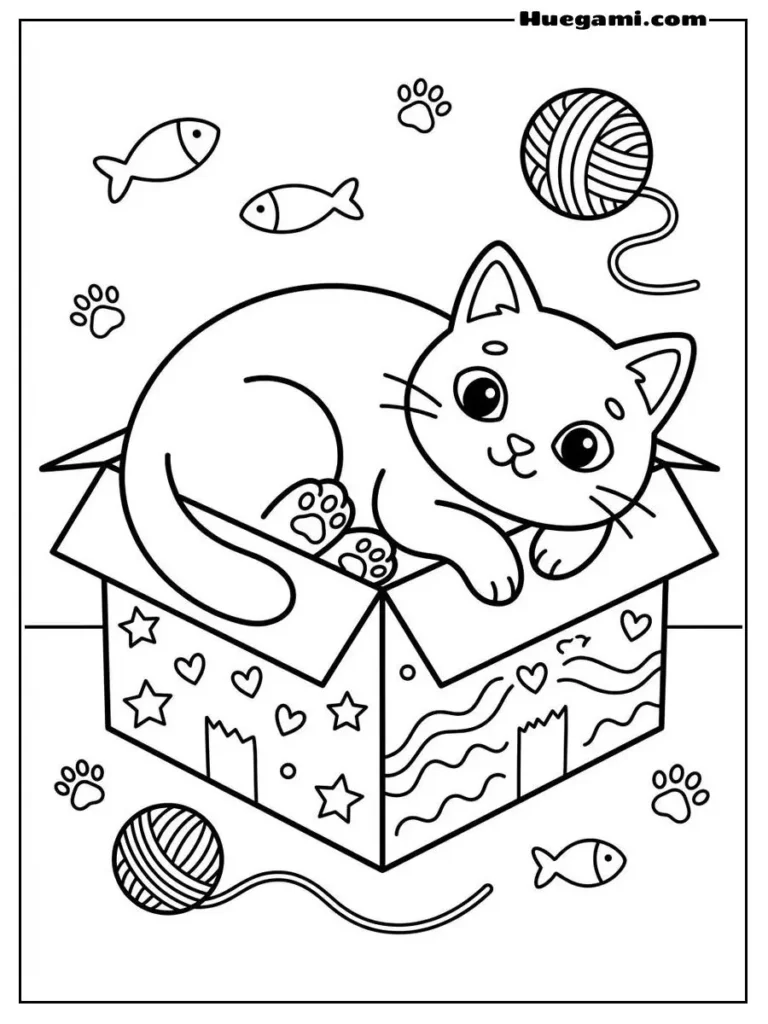
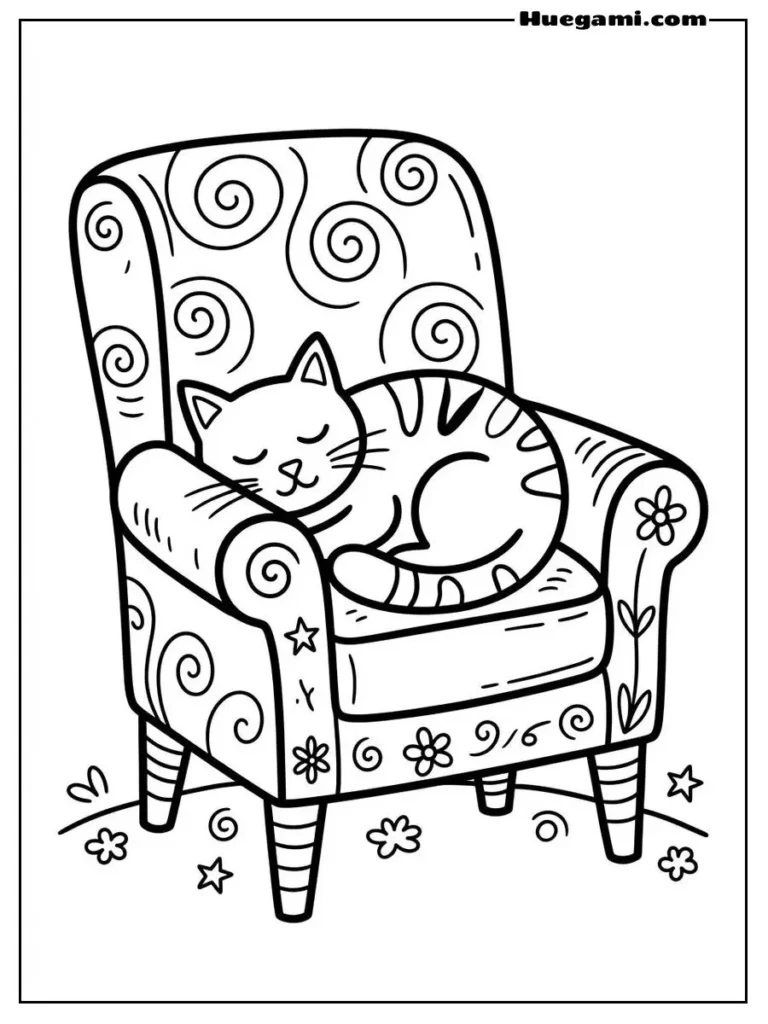
- Sleepy cats curled up on cushions, in baskets, or inside cozy cardboard boxes.
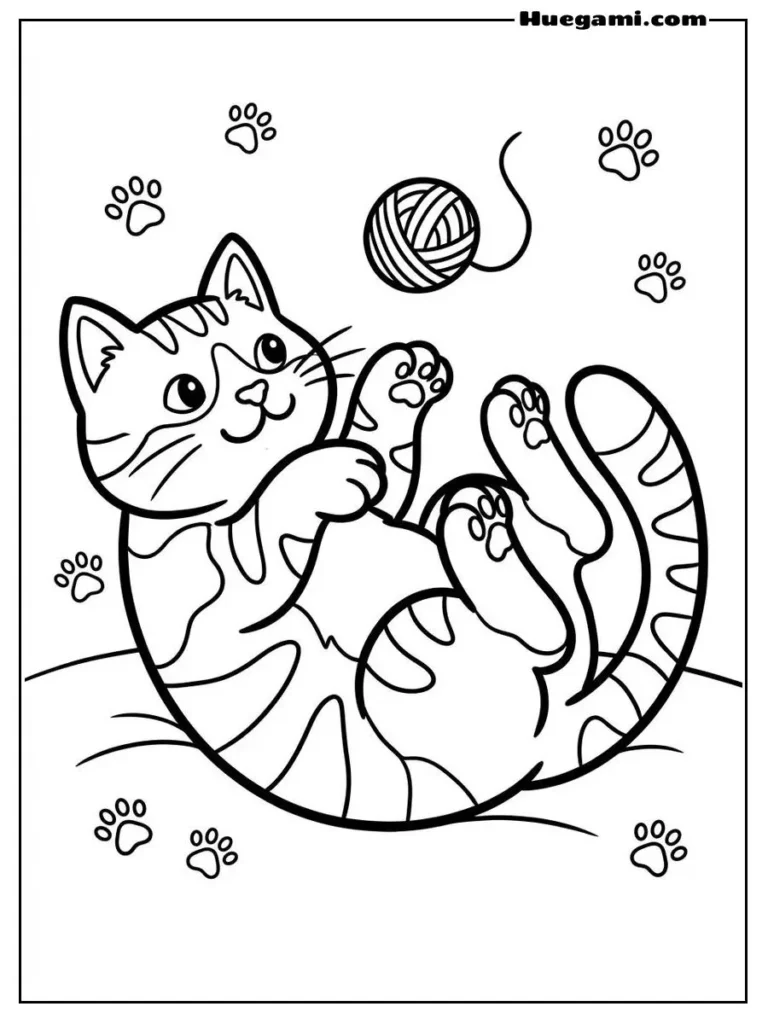
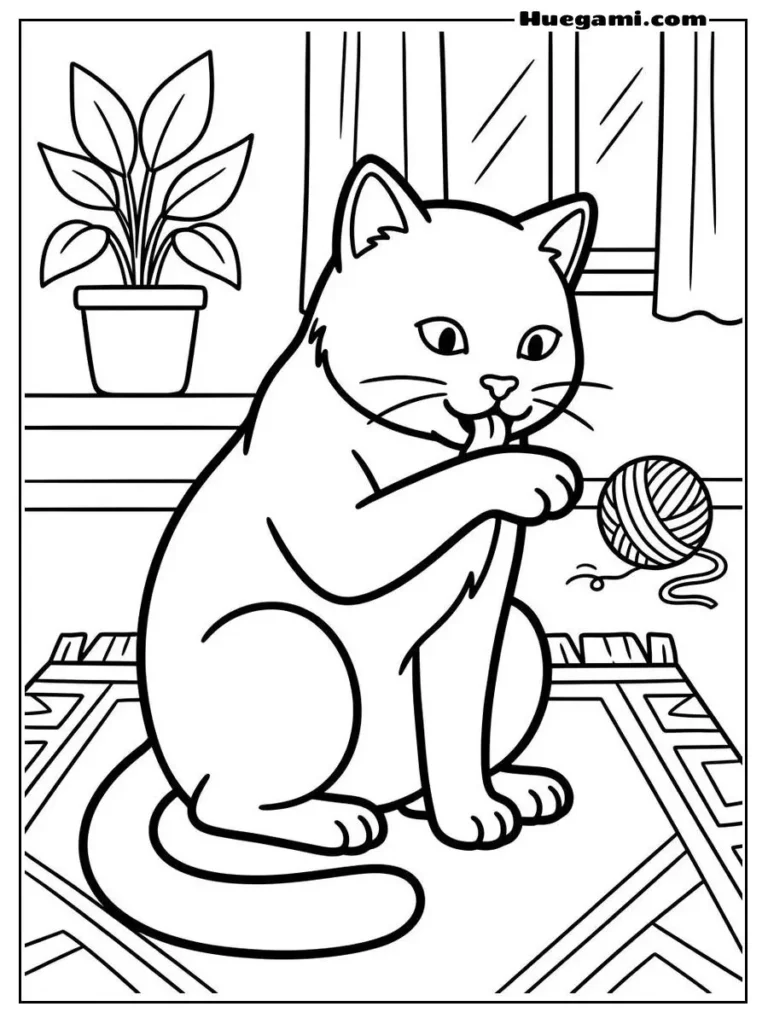
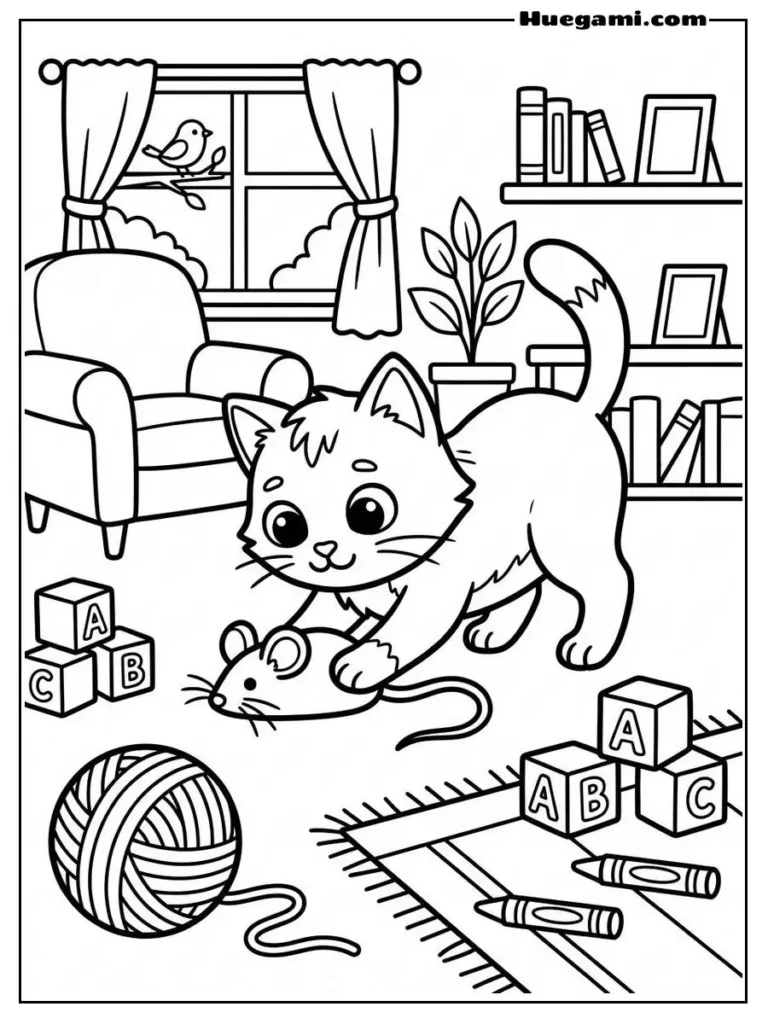
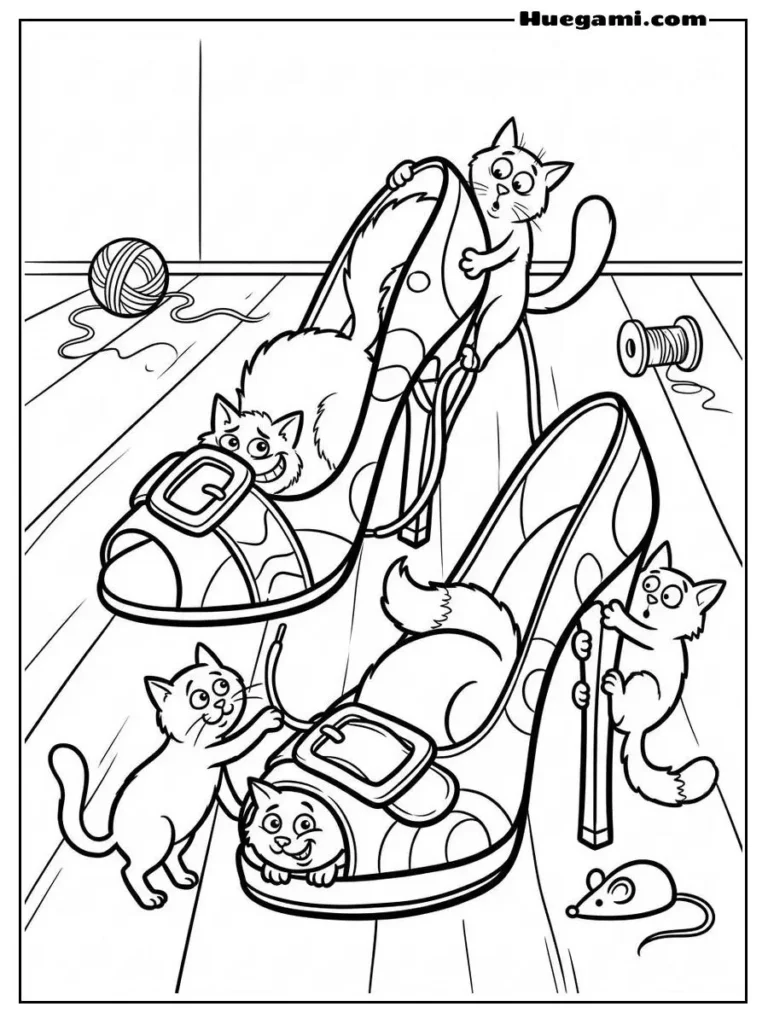
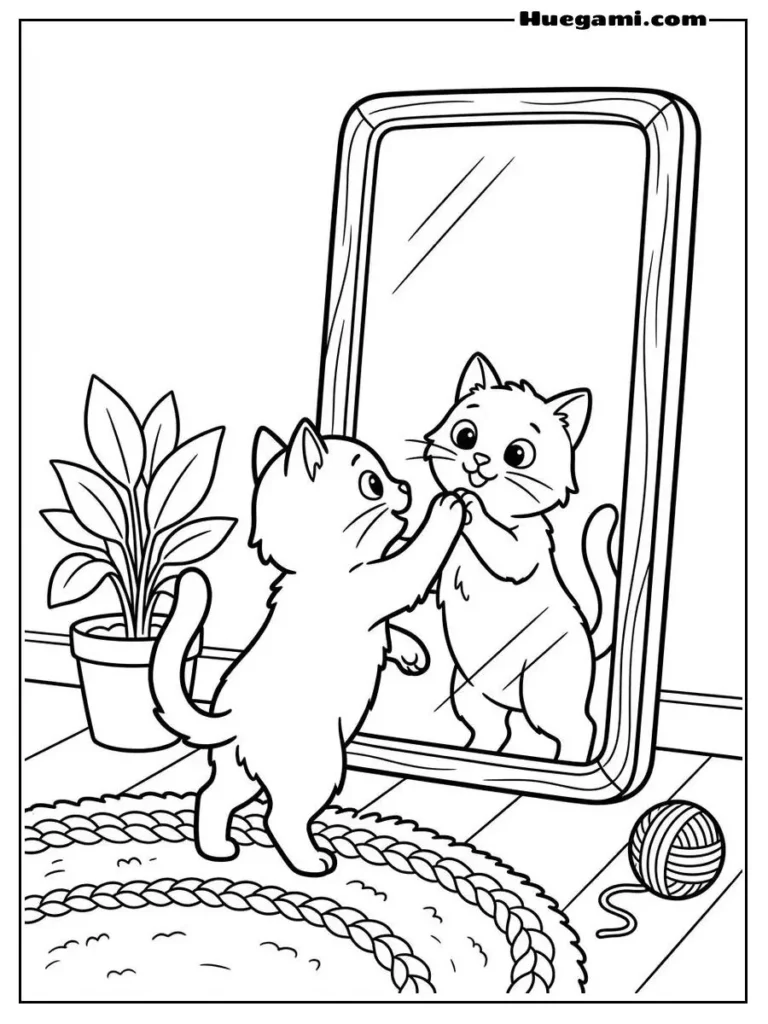
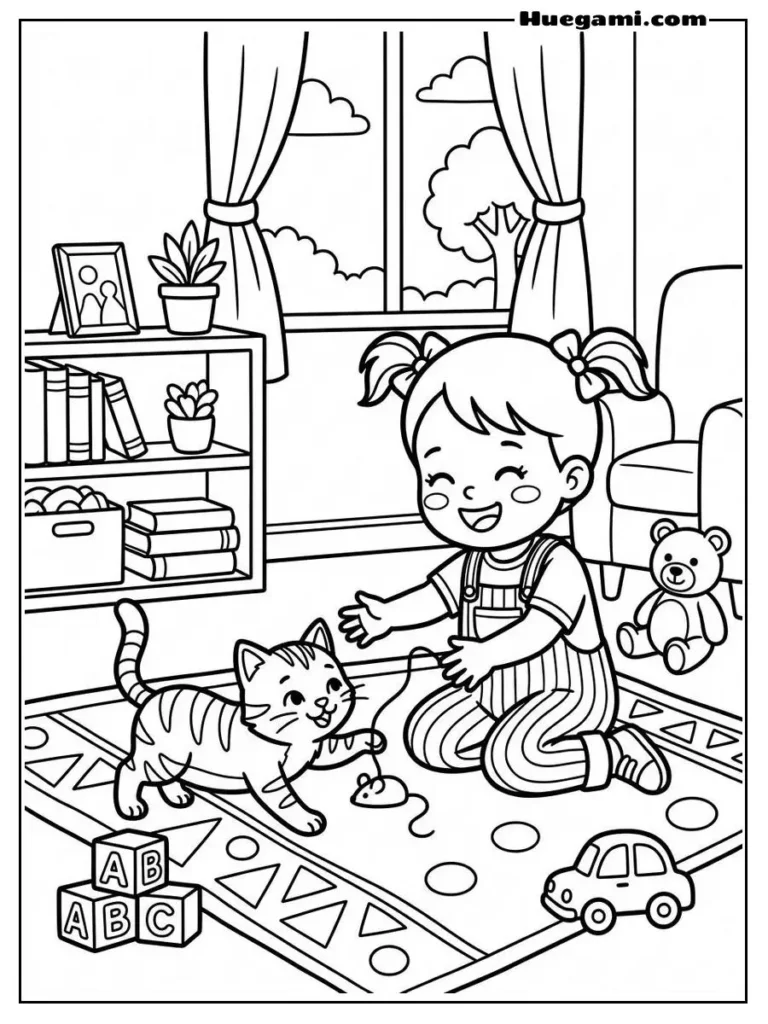
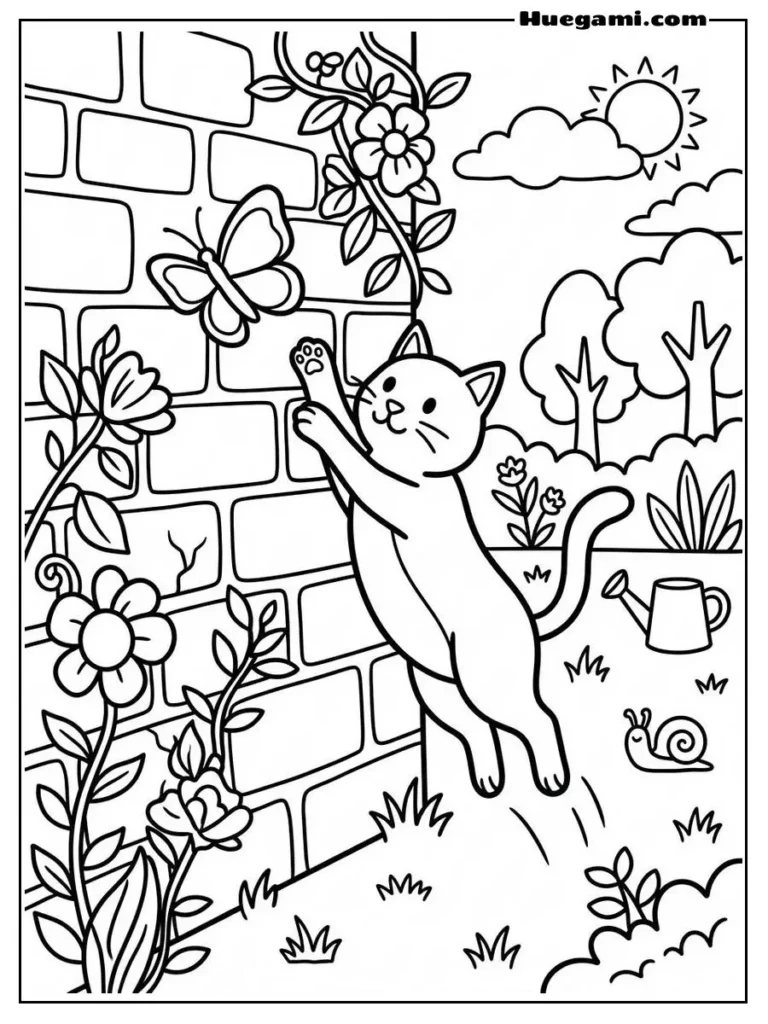
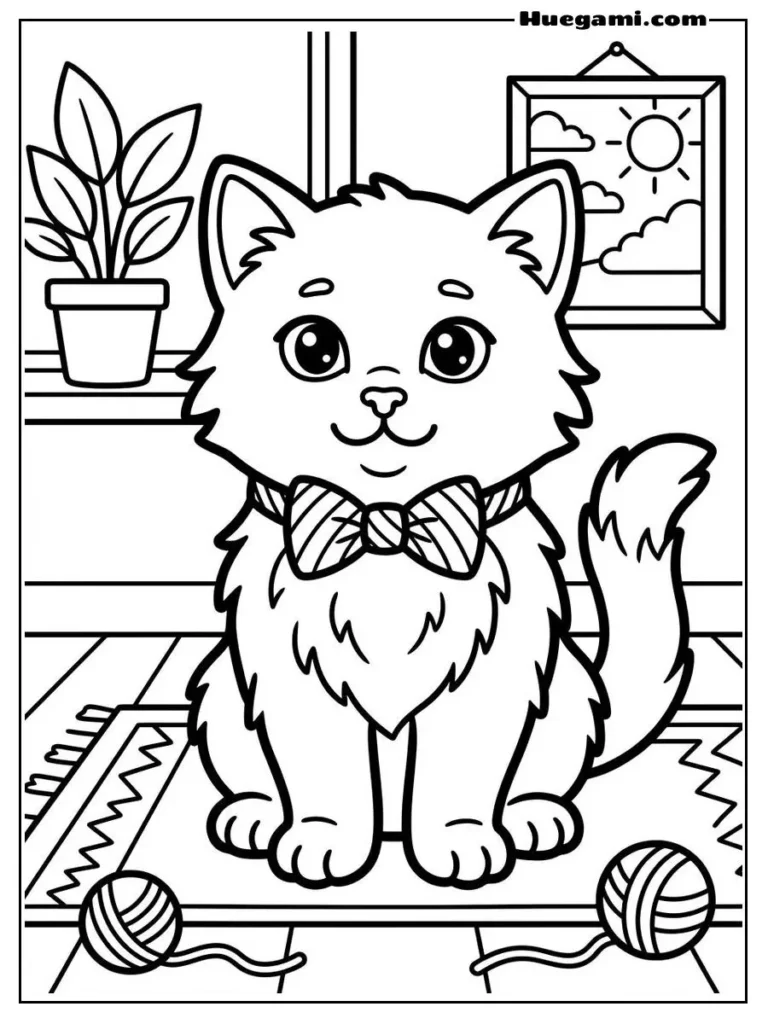
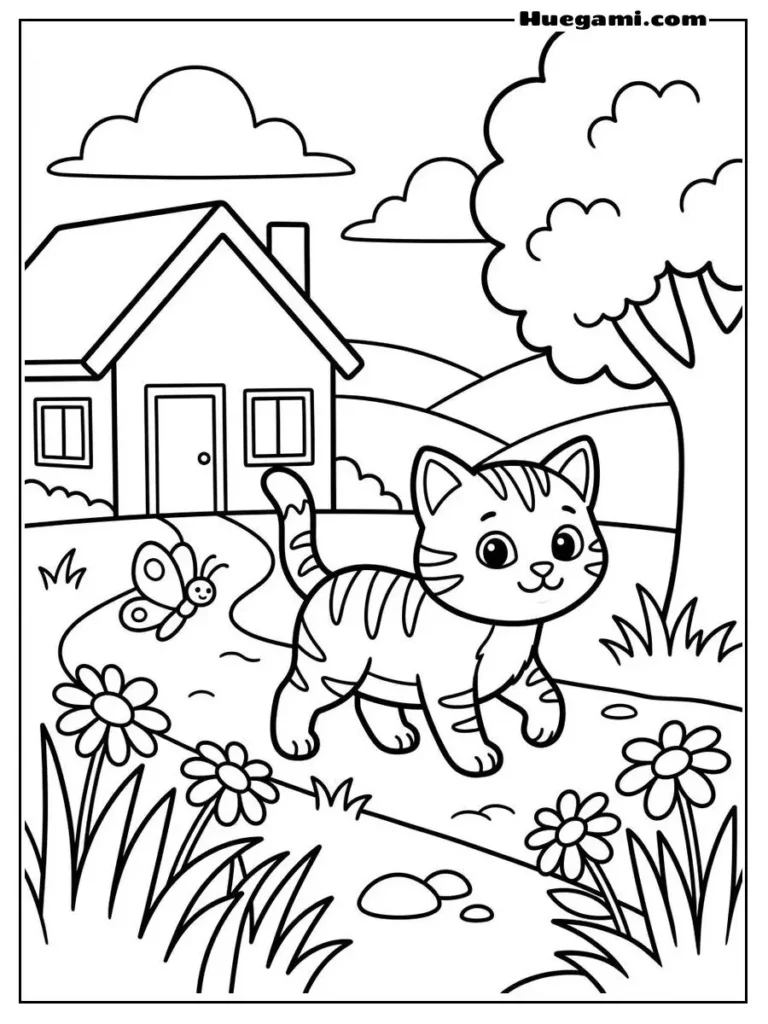
- Playful cats chasing butterflies, batting at balls of yarn, or leaping through the air.
- Cats with patterns such as stripes, spots, and patches, which invite kids to try out fun color combinations.
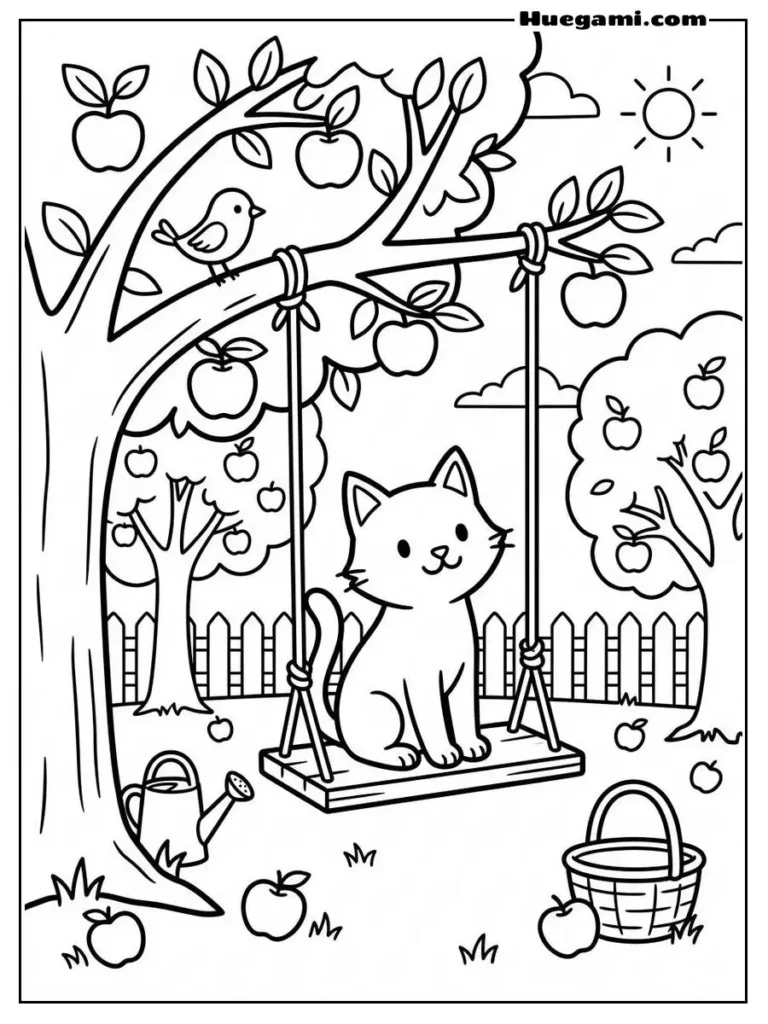
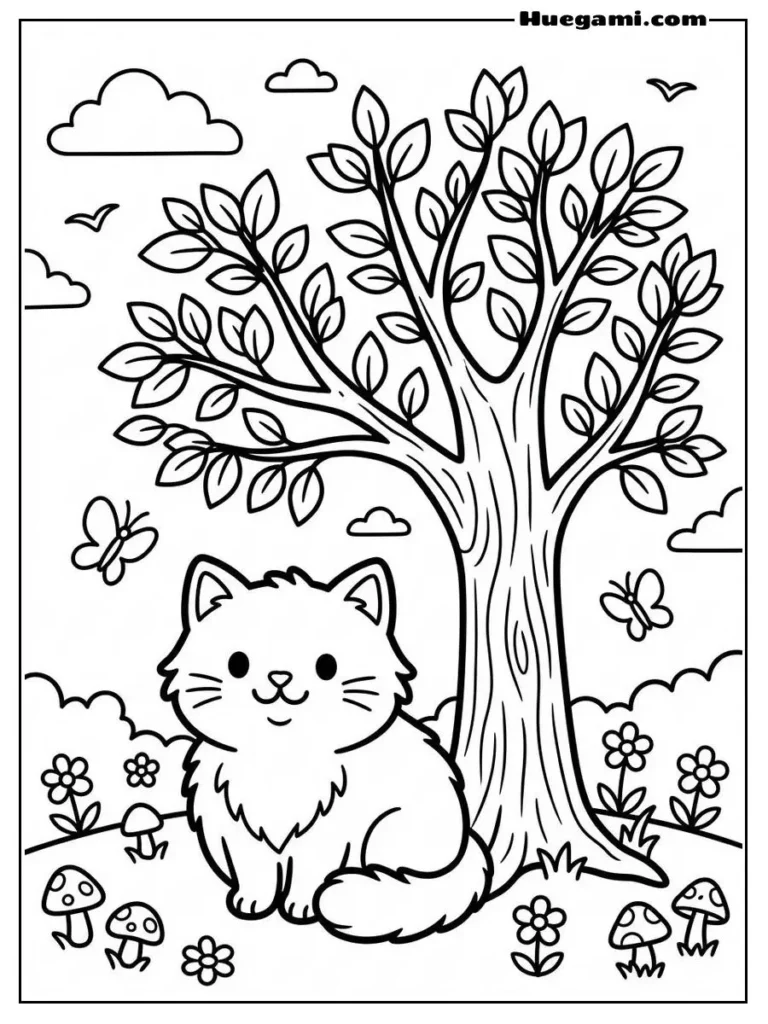
- Cats in familiar scenes, like sitting on garden fences, watching fish in a bowl, or gazing at the moon.
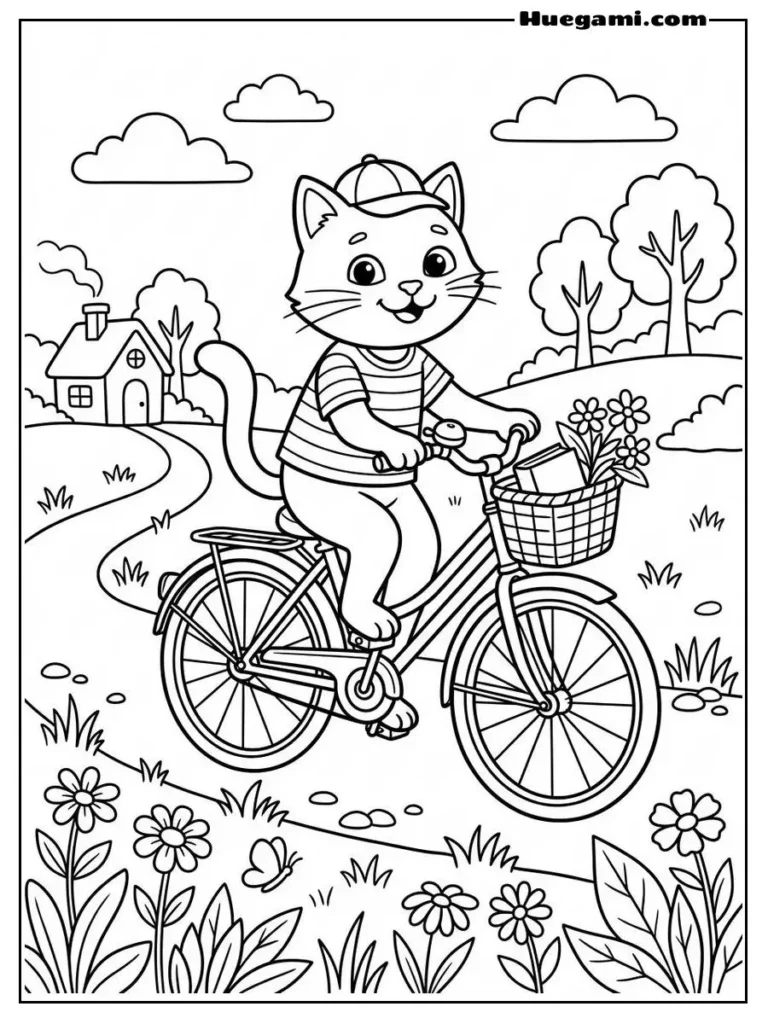
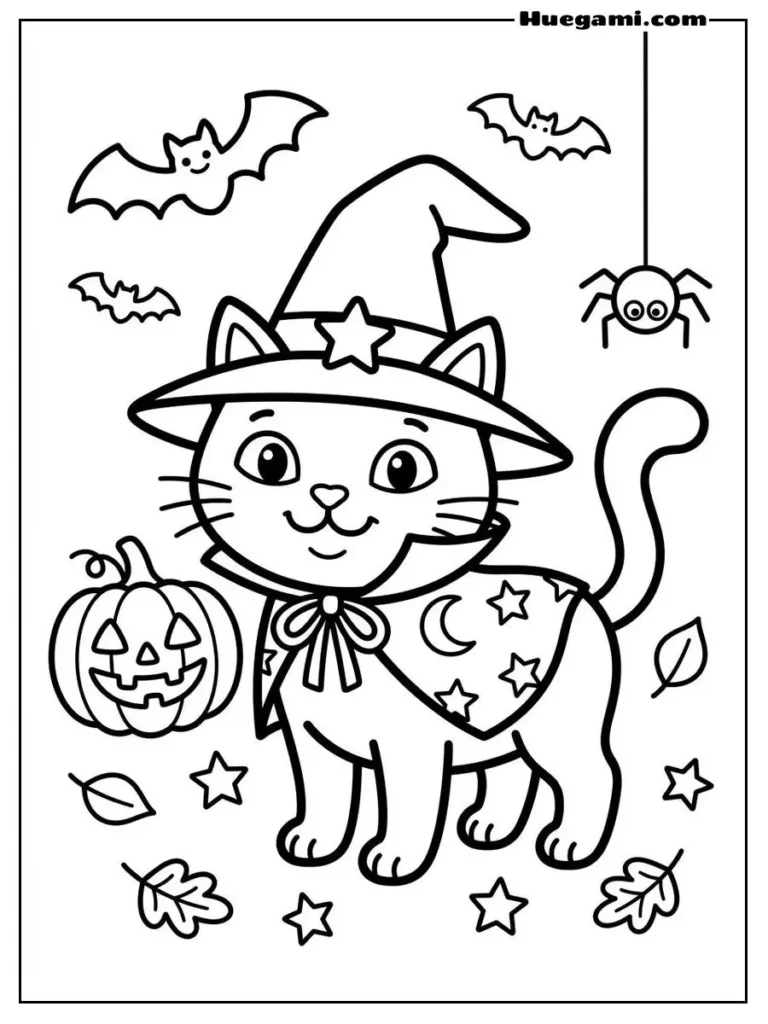
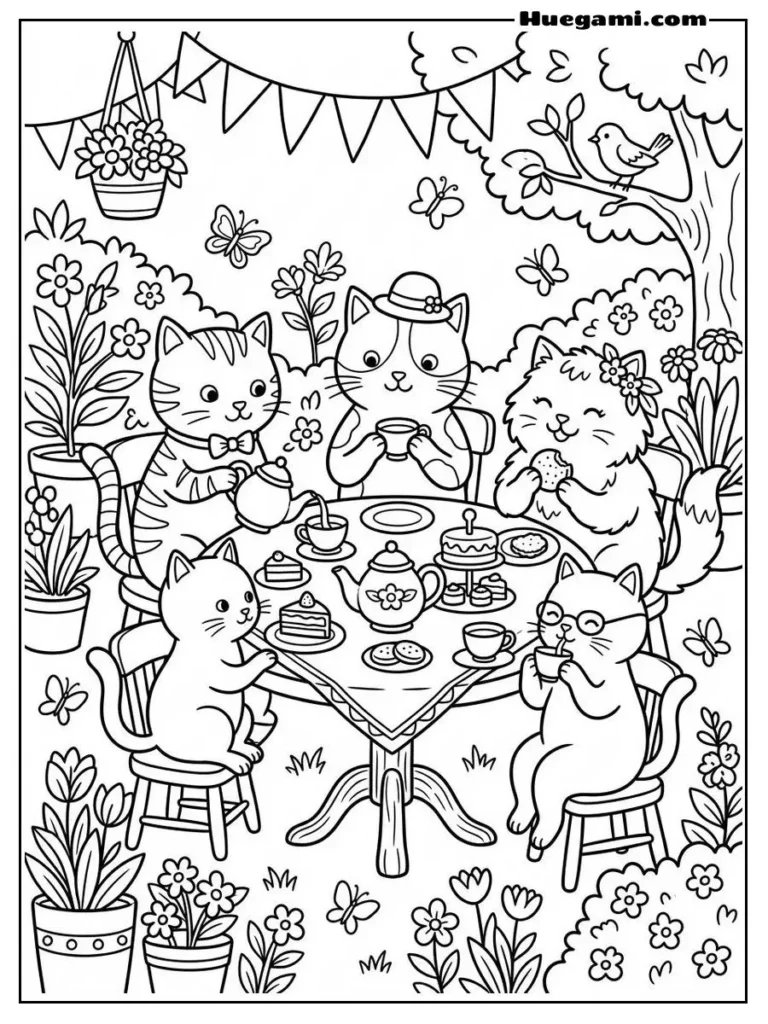
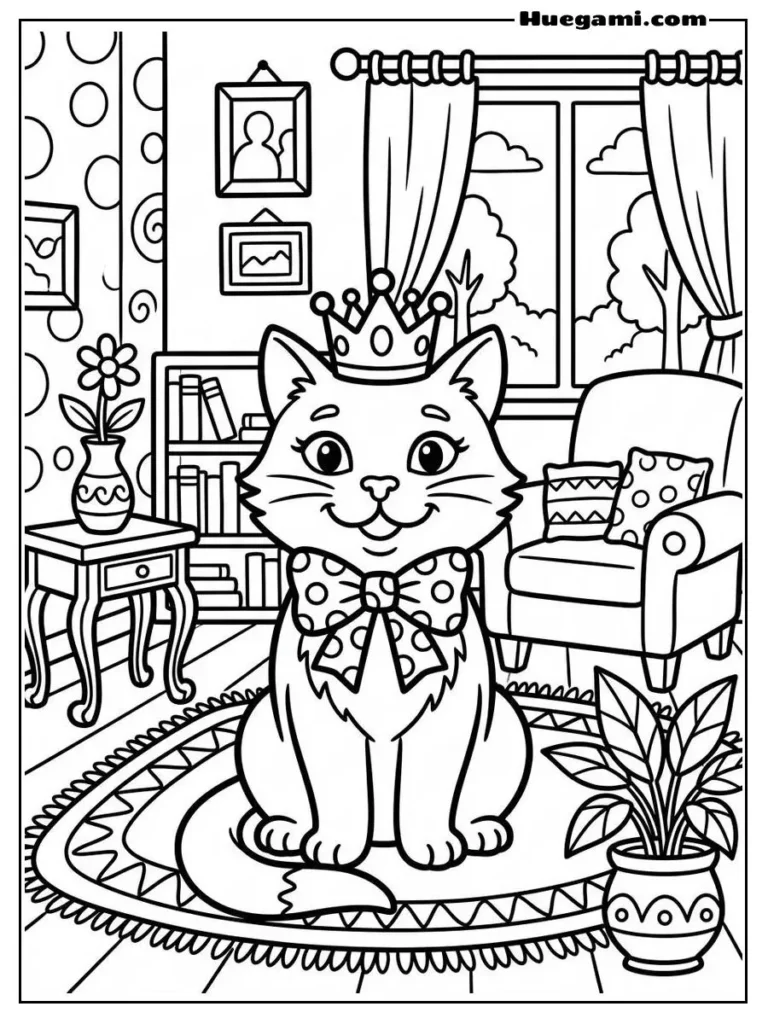
- Cute cats with quirky details, including bow ties, tiny hats, and scarves for extra personality.
- More detailed cat pages with lots of small areas to fill in, for older kids and grown-ups who like a longer project.
Each page is designed to be friendly and easy to enjoy. If you like variety, browse the whole set and pick a few different styles. You can also explore our other free printable animal coloring pages whenever your family is ready for a new creature to color.
What Kids Can Learn From Coloring Cats
Coloring a cat is a natural way to build curiosity about animals. As children fill in whiskers, pointed ears, and swishing tails, they start noticing how a cat’s body is put together and what each part might be for. Questions like “Why do cats have such long whiskers?” or “Why are their pupils so thin?” often pop up on their own. Those questions can lead to picture books, garden observations, or a chat with a neighbor who has a pet. Caring for cats also opens the door to talking about kindness, gentle handling, and how animals need food, water, and safe places to rest.
There’s a physical benefit too. Staying inside small outlines like paws and tails helps little hands practice control and grip, and choosing colors for a striped or spotted coat builds decision-making and pattern awareness. These sheets work well at home on a rainy afternoon or in a classroom during an animal or pet-care unit, and kids of different skill levels can work side by side on the same design. Younger children can enjoy big, simple shapes while older ones tackle the busier pages.
How to Use and Print Your Sheets
Getting started takes just a few minutes, and these tips will help your pages turn out great:
- Pick your favorite designs, download them, and print on standard letter-size paper. Plain white copy paper works nicely.
- Crayons are a great pick for little hands, while markers and colored pencils suit kids who like brighter, crisper colors.
- Print a few copies of a favorite cat so everyone in the family can create a different version.
- When you finish, hang your cat art on the fridge or make a “cat gallery” wall in your room or classroom.

Fun Ideas and Activities
Once the coloring is done, keep the cat theme going with activities that celebrate everything we love about these furry friends. Here are some ideas to try together:
- Whisker detective game: Look at pictures of different cats and compare their whiskers, ears, and tails. Then challenge a friend to guess which cat you’re describing.
- Cat body language chart: Draw a tail held high, a slow blink, and a curious head tilt, then write what each one might mean. Use it to watch any cat you meet, with permission from its owner.
- Make a paper-plate cat mask with pointed ears and whiskers made from pipe cleaners or strips of paper, then act out a day in the life of a kitten.
- Host a “Cat Coloring Sheet Shelter” pretend adoption day, where each colored cat gets a name, a favorite toy, and a cozy home.
- Write a short story about a cat who explores a rooftop at night, then color a scene to match it.
- Collect blankets, toys, or towels for a local animal shelter, and use your finished cat art to decorate the donation box.
Frequently Asked Questions
Are the cat pages good for very young children?
Yes! Many of our cat designs have big, bold outlines and simple shapes that are easy for small hands to color. Toddlers and preschoolers can start with the chubby kitten pages, and the busier pages are there when they’re ready for more.
Do I have to color cats in real cat colors?
Not at all. Real cats come in lots of colors and patterns, but there’s no rule that says your coloring page has to match. A blue-striped kitten or a sparkly purple cat is a wonderful way to be creative. Kids can also mix in real colors they’ve seen on neighborhood cats if they like.
Can teachers use these cat sheets with a whole class?
Absolutely. Teachers are welcome to print copies for classroom use, whether for a pet-care lesson, an animal unit, or a quiet activity time. Printing on regular copy paper keeps things easy and affordable for large groups.
What if my child wants a cat but we can’t have one?
Coloring cats is a lovely way to enjoy them from afar. You can also look for chances to meet cats in gentle ways, such as reading cat picture books from the library or volunteering with a local shelter if your family is able. Kids can learn a great deal about caring for animals without owning one.
How do I keep printed pages from getting wrinkled or torn?
Try coloring on a hard, flat surface such as a table or a clipboard. If your child presses hard with markers, placing a spare sheet of paper underneath can protect the table. When the picture is finished, a folder or a sheet of cardboard keeps it flat until it’s ready for display.
Conclusion
Cats are curious, playful, and full of personality, and that makes them a wonderful subject for a coloring page. From the way they use their whiskers to the way kittens grow and learn through play, there’s plenty to discover about these popular animals. Coloring them gives kids a chance to notice the details that make each cat unique while they enjoy a relaxing, creative activity.
Huegami’s free printable cat coloring sheets offer something for every cat fan, from cuddly kittens to cats with lots of patterns to fill in. Download a few, gather your crayons or markers, and see what kind of cat you can bring to life today. Share your finished pages with family and friends, and use the activity ideas above to keep the fun going.
When you’re ready for more animal fun, explore more Nature & Animals Coloring Pages on Huegami.