We offer a wide collection of free, high-quality printable coloring pages for kids and adults. From cute animals to intricate mandalas, our designs bring creativity and relaxation to everyone. Download, print, and start coloring today!

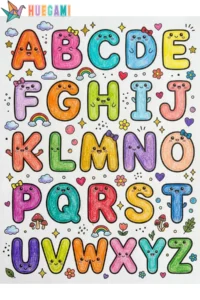
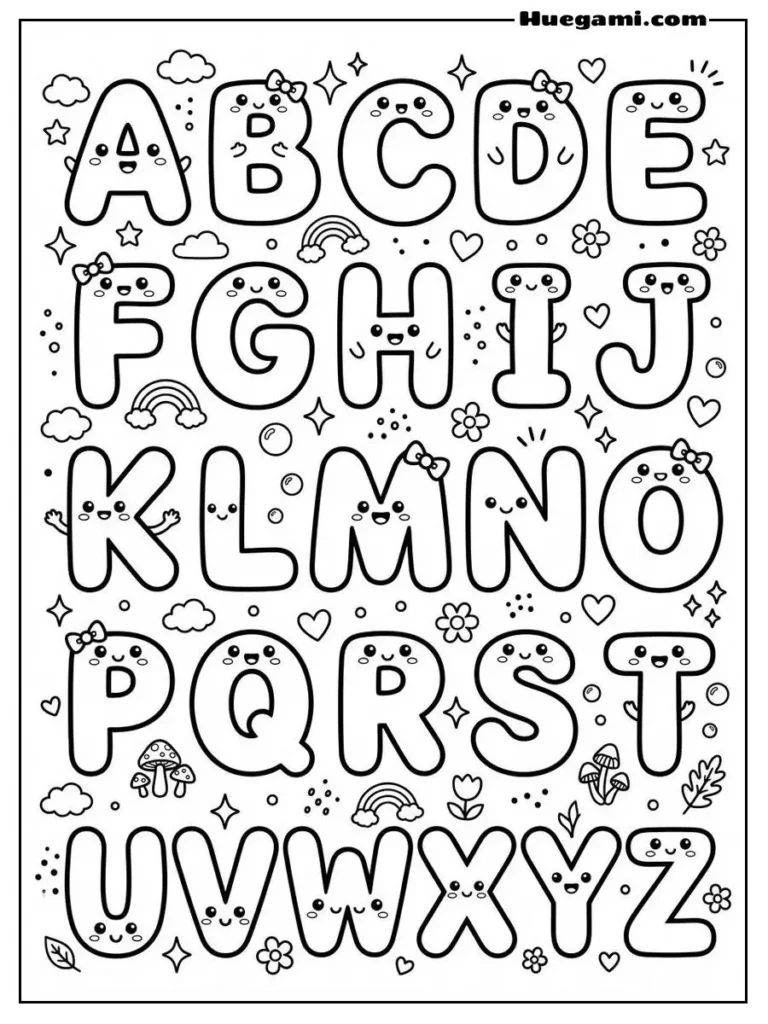
Did you know that the 26 letters on this very page can be rearranged into every word you will ever read, write, or say? That is a lot of power packed into a tiny set of shapes! Huegami offers free, printable alphabet coloring sheets that turn each letter into a friendly, colorful adventure. Whether you are searching for alphabet coloring pages for a curious toddler, a kindergarten letter-of-the-week plan, or a rainy afternoon at home, you will find pages that are easy to print and fun to fill with color. Grab your crayons, pick a letter, and let’s get started!
↓ Jump to the free printable pages
All About the Alphabet
An alphabet is a set of letters that stand for the sounds we use when we talk. Instead of needing a separate picture for every single word, an alphabet lets us build words by putting letters together, almost like building with blocks. The English alphabet has 26 letters, and with just those letters we can write everything from “cat” to “extraordinary.” Learning them is one of the very first big steps on the path to reading and writing, which is why so many families and teachers look for educational coloring pages that make letter practice feel like play.
Every letter in the alphabet has a few things going for it. First, each one has a name, like “bee” or “kay,” which is what we say when we sing the alphabet song. Second, each one has at least one sound, which is what we use when we sound out words. The letter B says “buh,” the letter S says “sss,” and the letter M says “mmm.” Some letters are tricky because they can make more than one sound. The letter C can sound like a K in “cat” or like an S in “city,” and that is a wonderful thing for kids to notice and giggle about.
The letters also come in two different outfits. Uppercase letters, sometimes called capital letters, are the tall ones we see at the start of names and sentences. Lowercase letters are the smaller ones that make up most of the words we read in books. Kids often learn to recognize both versions, and coloring them is a gentle way to practice noticing how each pair is connected. The uppercase A and lowercase a look quite different, yet they are the very same letter!
Five of the letters, A, E, I, O, and U, are called vowels. Almost every English word needs at least one of them, and they are often the letters that open our mouths wide when we say them. The rest are called consonants, and they are the sturdy letters that give words their shape. Together, vowels and consonants make a team that works hard in every sentence. When children color a big, bold letter from a free alphabet coloring sheet, they get to look closely at its lines, curves, and corners, and that kind of close looking helps letters become familiar friends.
Another fun thing about the alphabet is that it has a set order. We sing it from A to Z, and that order helps us find words in a dictionary, look up names in a list, and line up books on a shelf. Many children learn this order through a song long before they can read a single word. Pairing that tune with a printable alphabet coloring book is a cheerful way to connect what they hear with what they see. A child can hum the song, point to the next letter, and color it in, all in one cozy activity.
From Pictures to Letters: How the Alphabet Began
Long, long ago, people who wanted to write things down often used little pictures. A drawing of a bird could mean a bird, and a drawing of a house could mean a house. That worked for a while, but it also meant people had to learn hundreds of different symbols. Then, according to many historians, some clever people came up with a new idea: let each symbol stand for a sound instead of a whole object. That one idea changed everything, because suddenly a small set of symbols could be used to write almost any word.
Many historians trace our letters back through several ancient peoples. The Phoenicians were famous sailors and traders who used a set of letter symbols, and the Greeks later adapted that idea and added their own touches. The Romans then shaped letters in ways that look very familiar to us today, and the capital letters on signs and book covers still carry a lot of that old style. Over a very long time, the shapes were passed along, changed, and simplified until they became the letters we color and trace now.
Some of the stories hidden inside letters are especially fun for kids. One popular story says that the letter A began as a picture of an ox’s head, and if you turn a capital A upside down, you might just be able to imagine two horns and a pointy nose. Not every historian tells the story in exactly the same way, but it is a lovely reminder that letters were once pictures. It might even inspire your young artist to draw an animal hiding inside a letter!
The word “alphabet” itself is a clue to the past. It comes from the names of the first two letters in the Greek alphabet, alpha and beta, stuck together. So when we say “alphabet,” we are really saying “A-B,” which is a charming little piece of history tucked inside an everyday word.
Lowercase letters have their own story, too. They are generally thought to have grown out of faster, rounder handwriting that made writing quicker and smoother. That is why lowercase letters often have loops and curves, while capital letters tend to be tall, straight, and sturdy. Coloring both kinds side by side makes a great way for children to notice those differences for themselves.
What’s Inside These Coloring Sheets
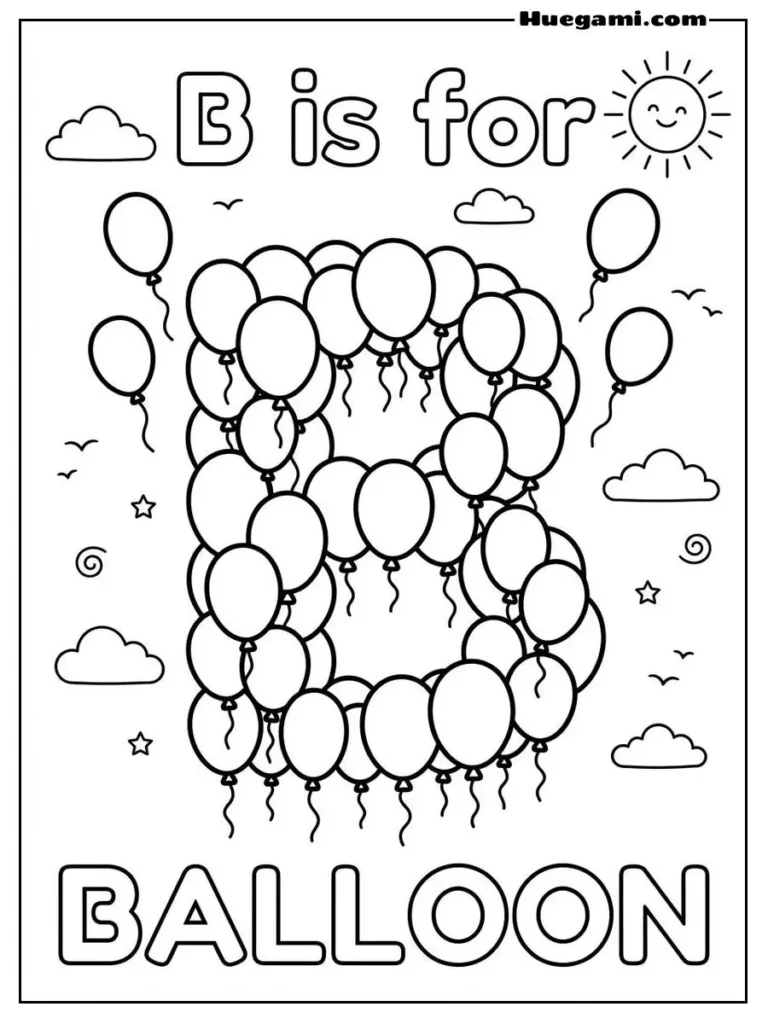
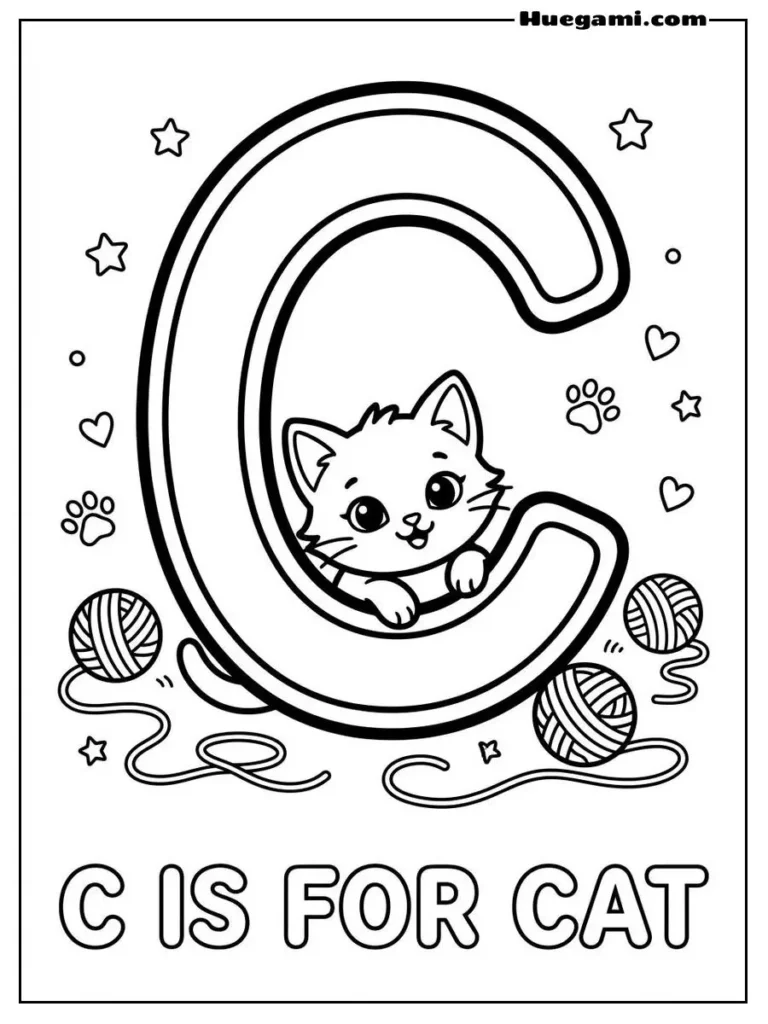
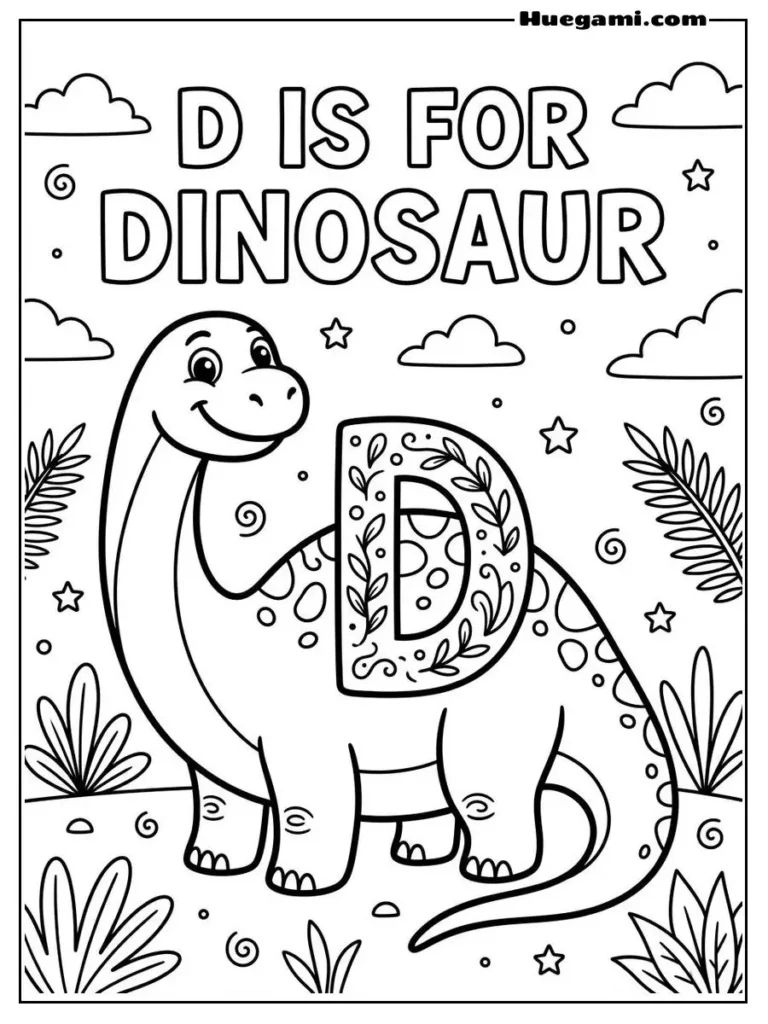
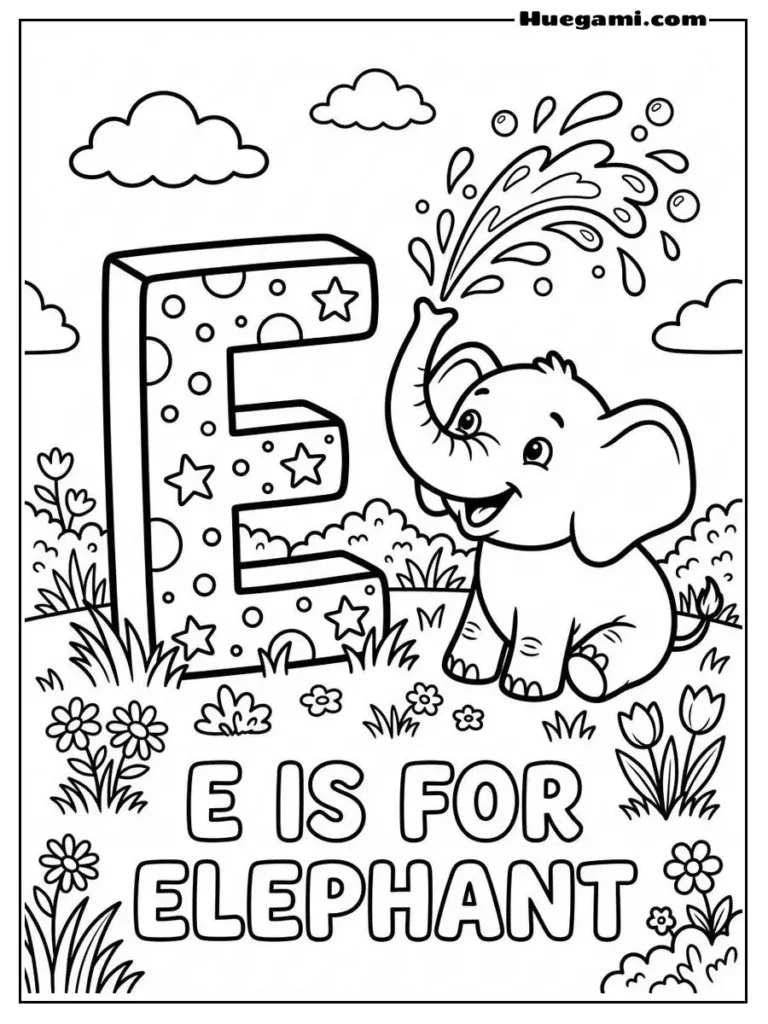
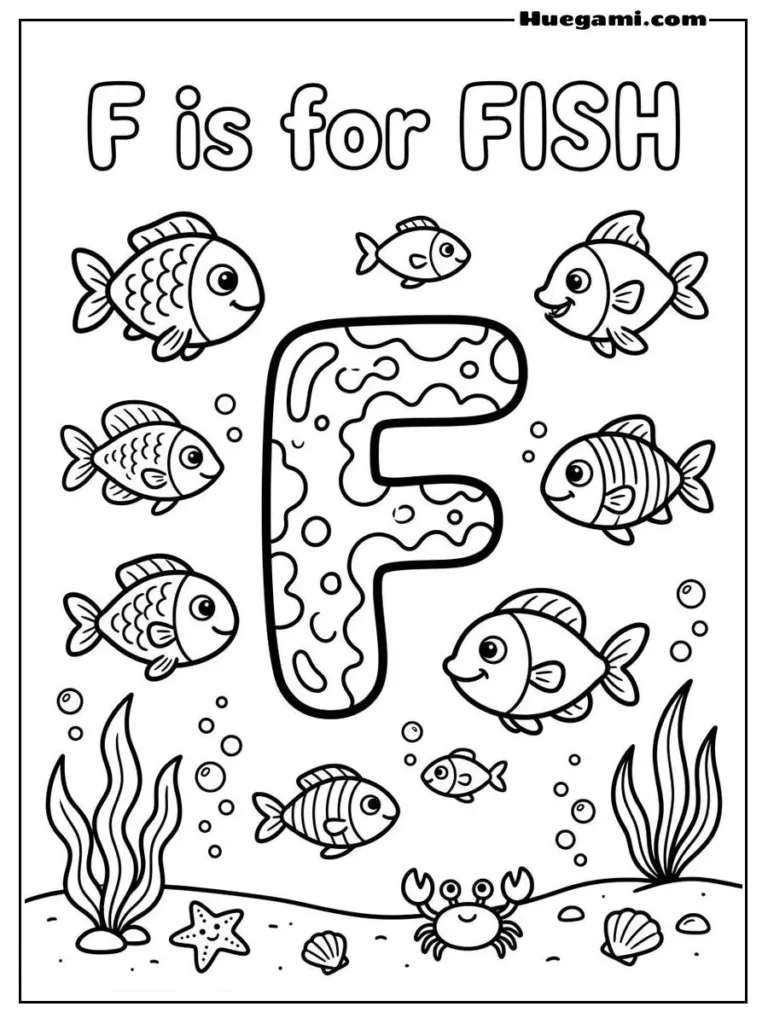
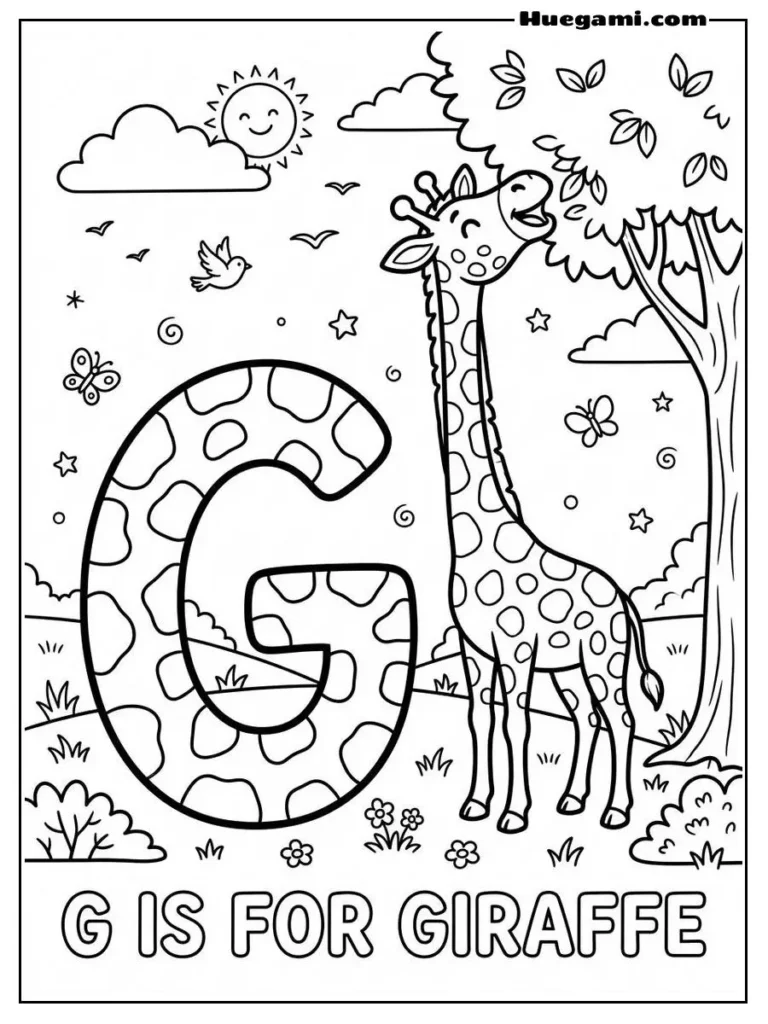
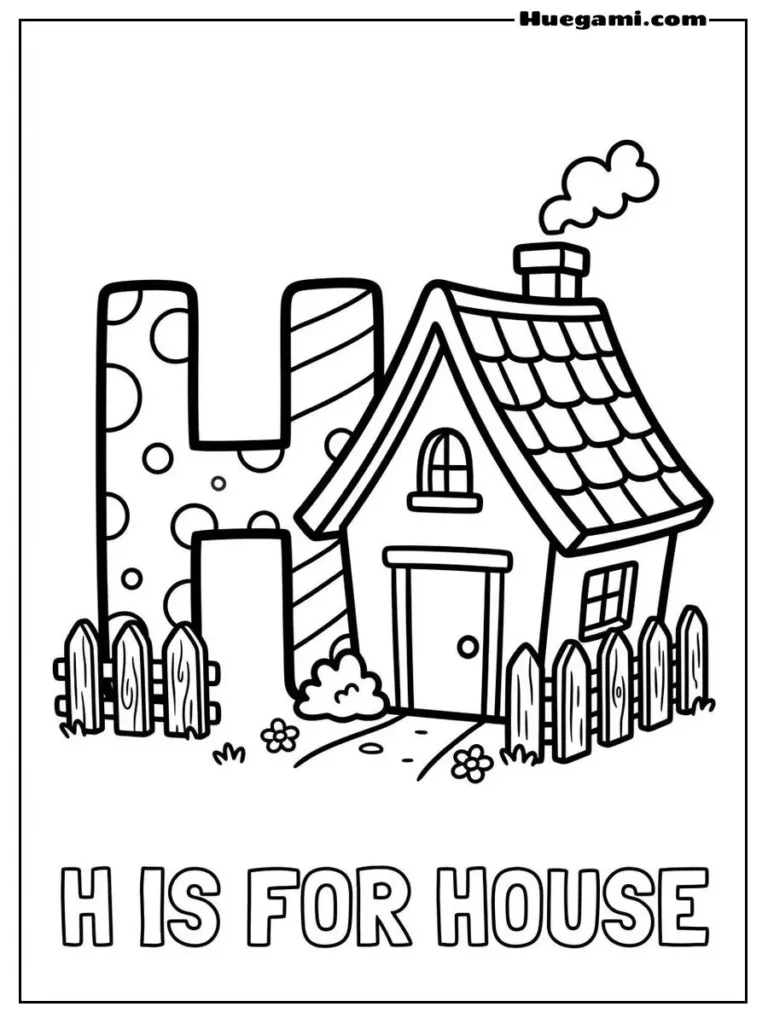
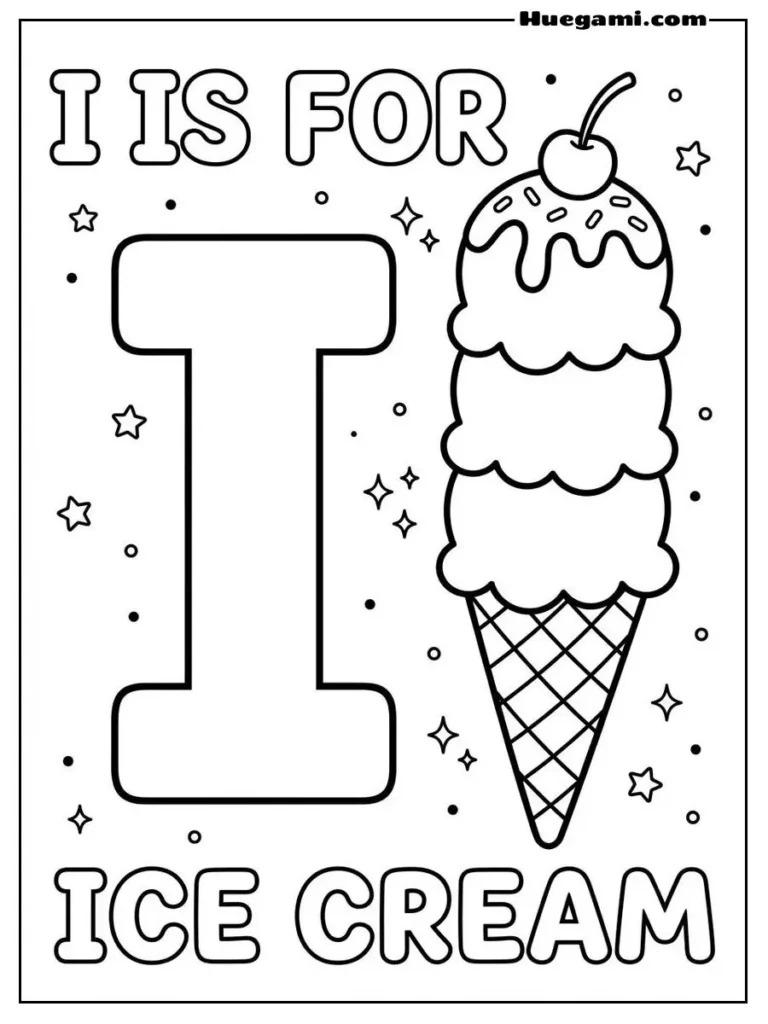
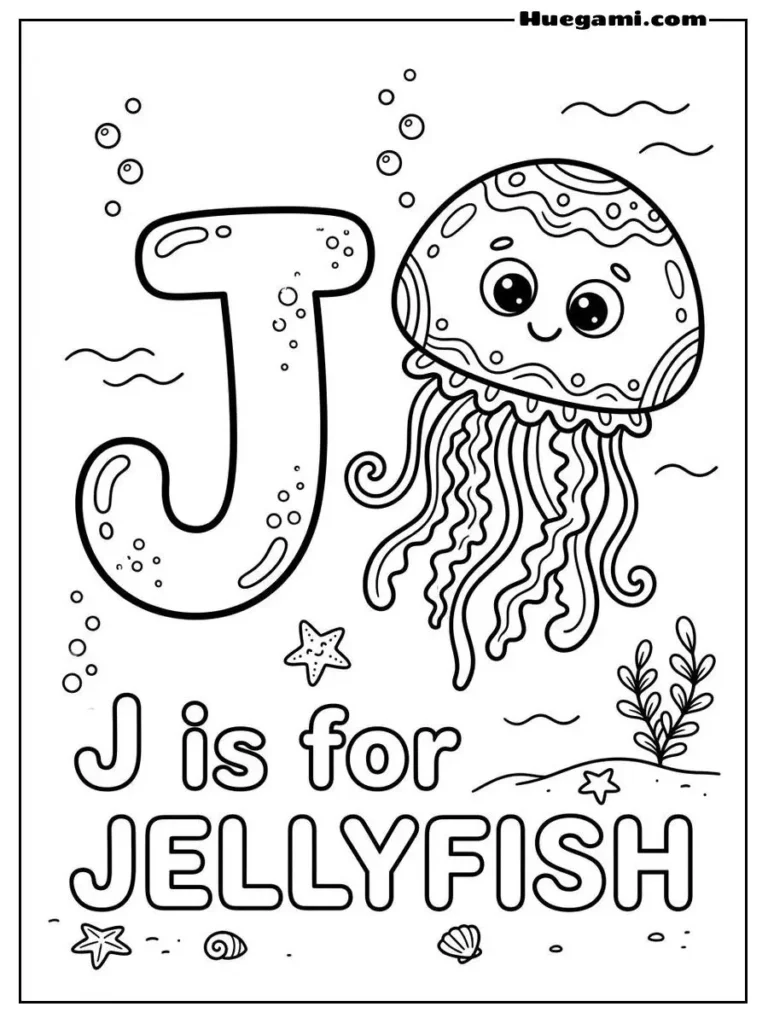
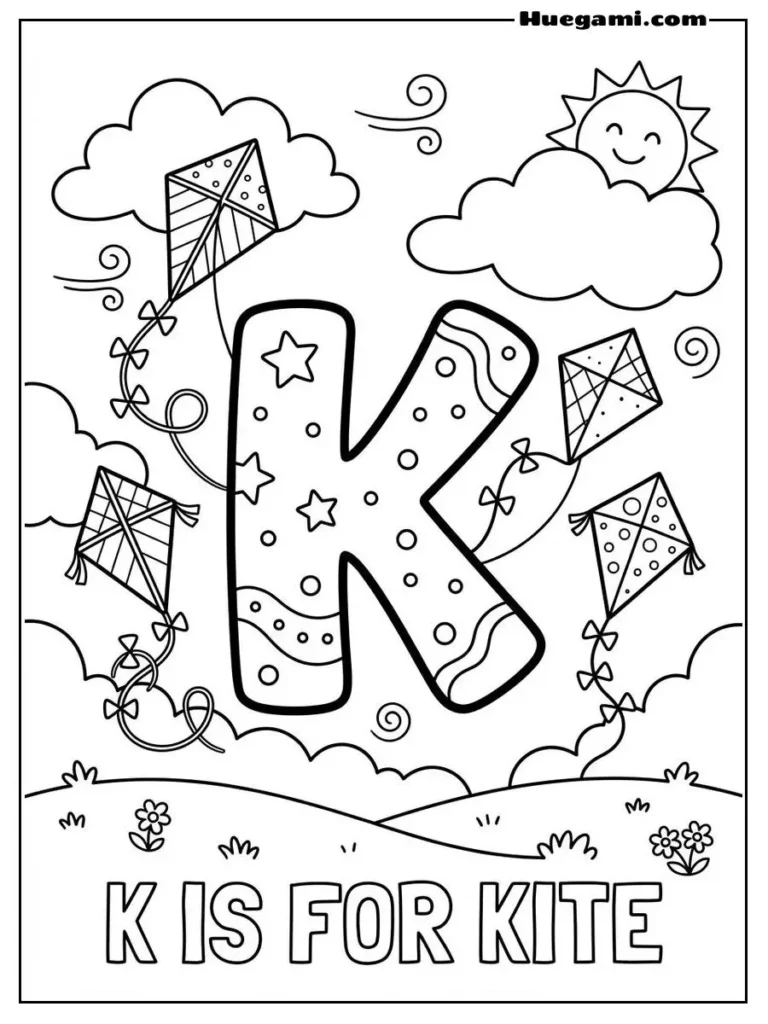
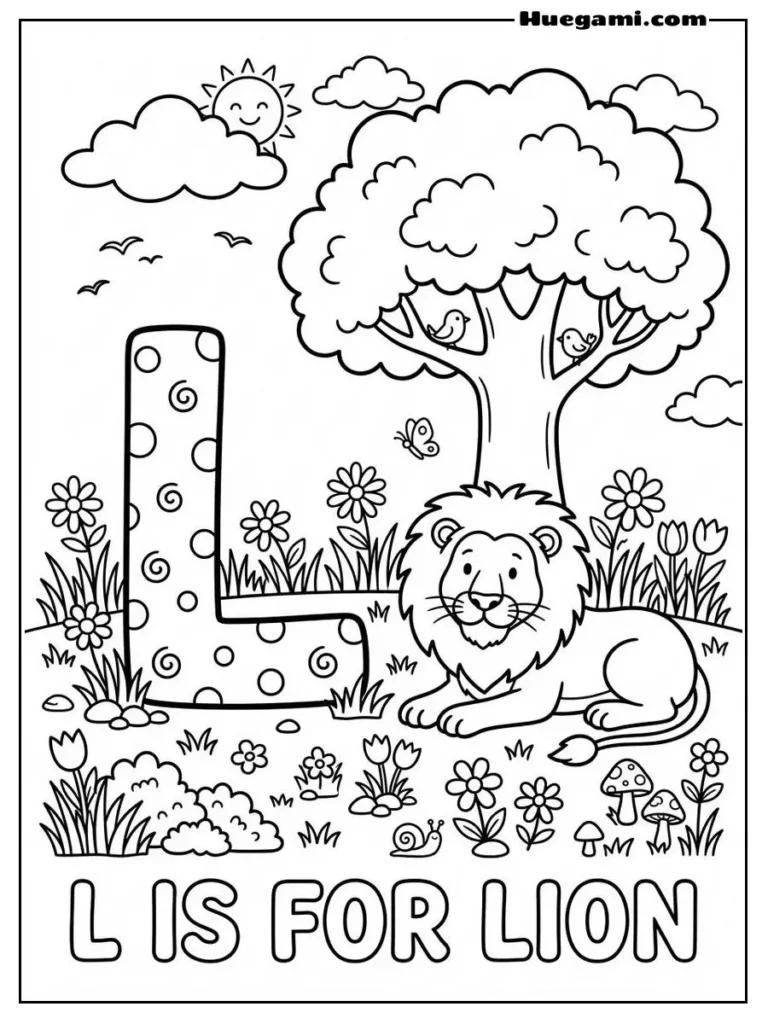
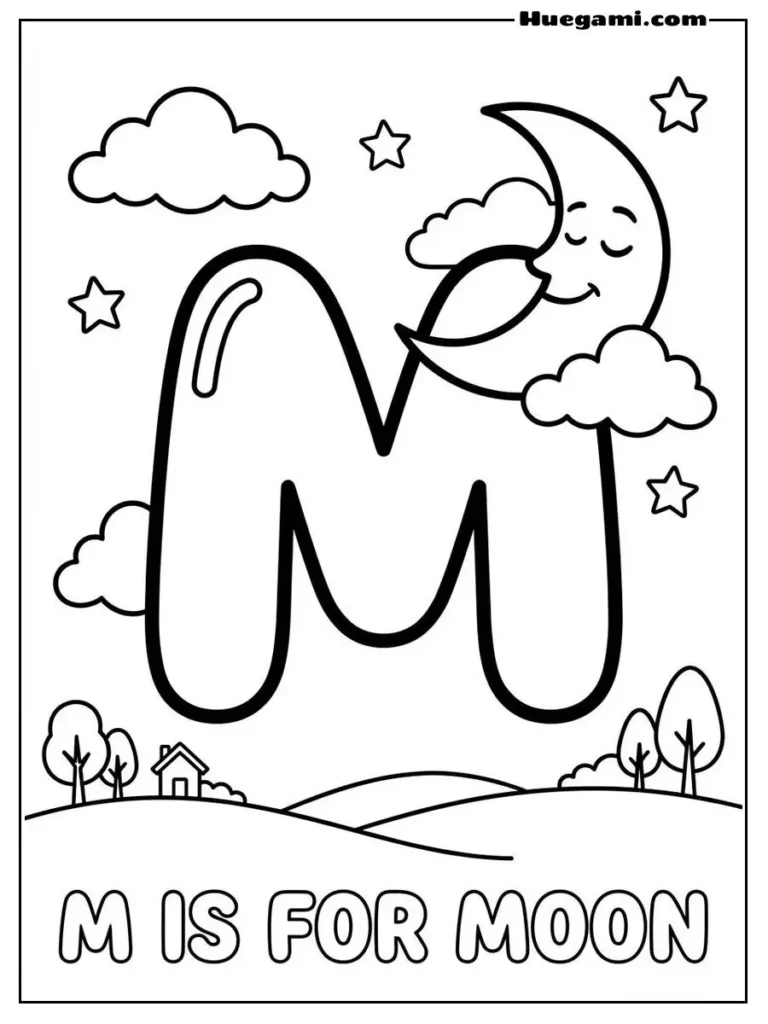
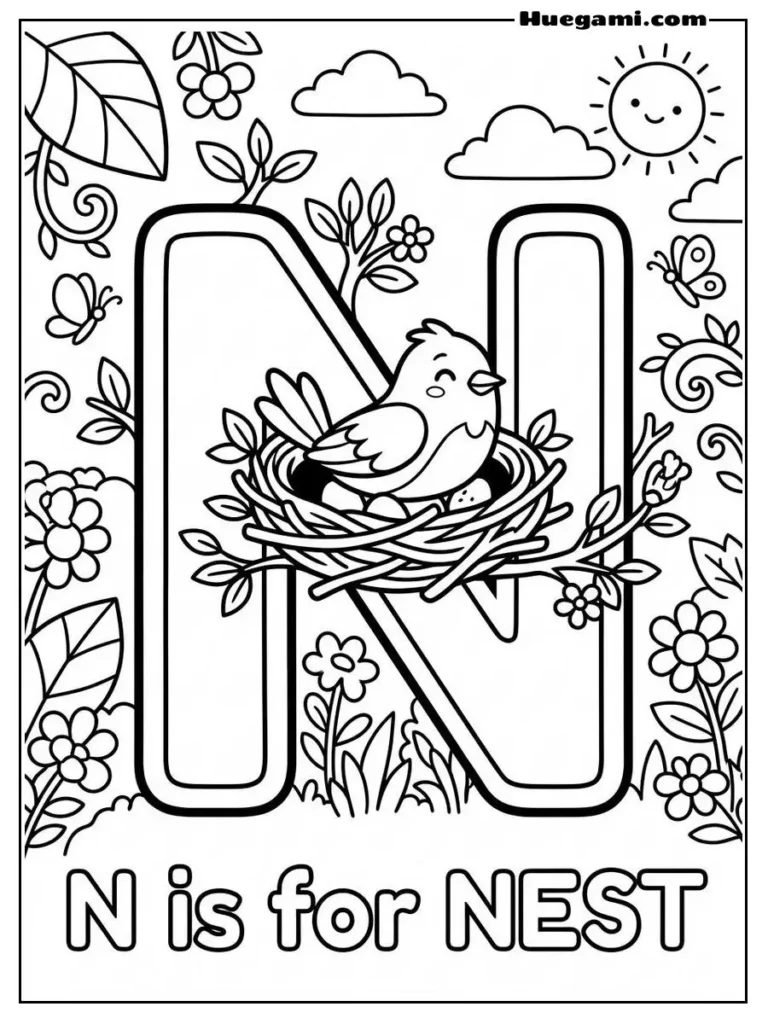
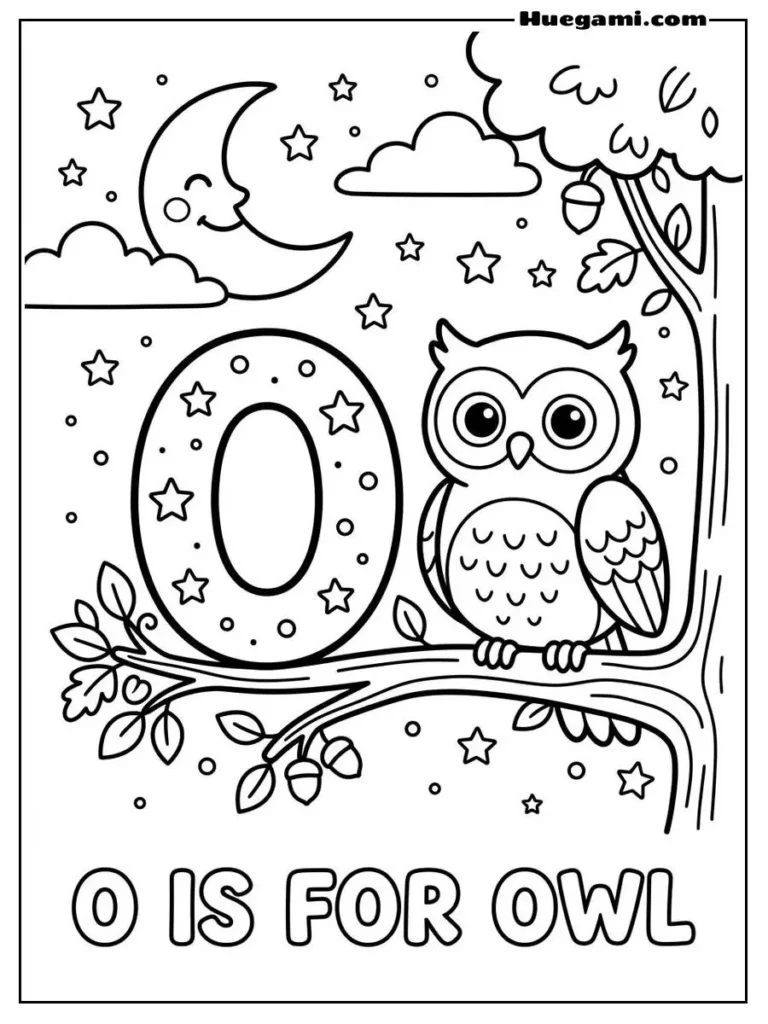
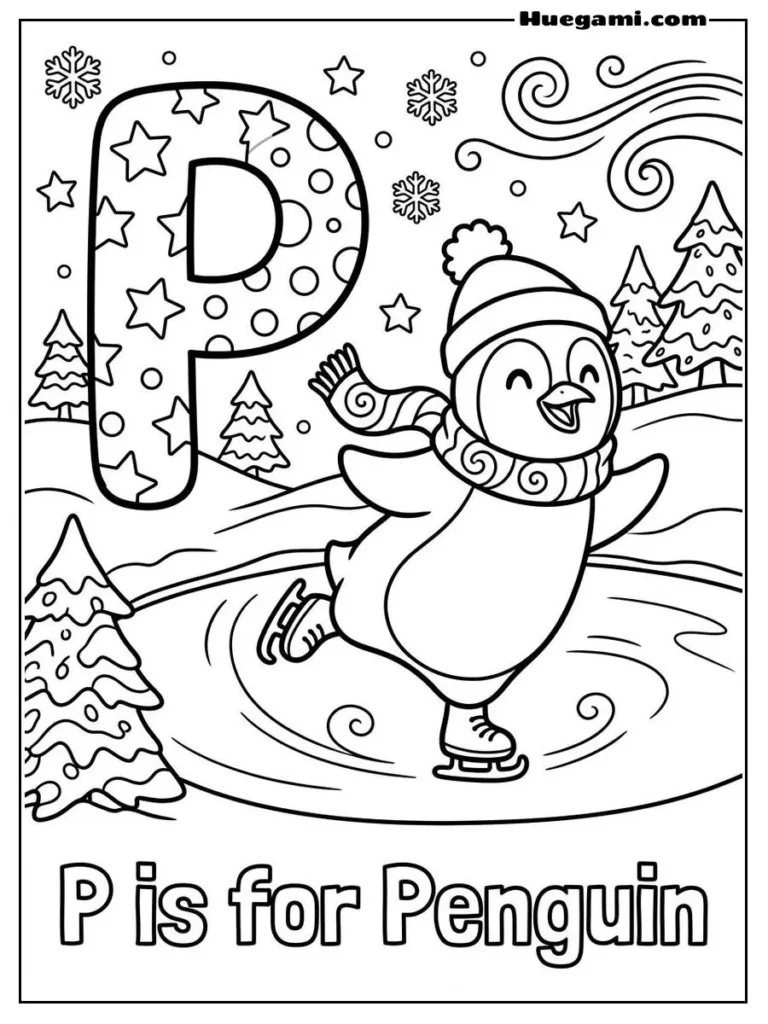
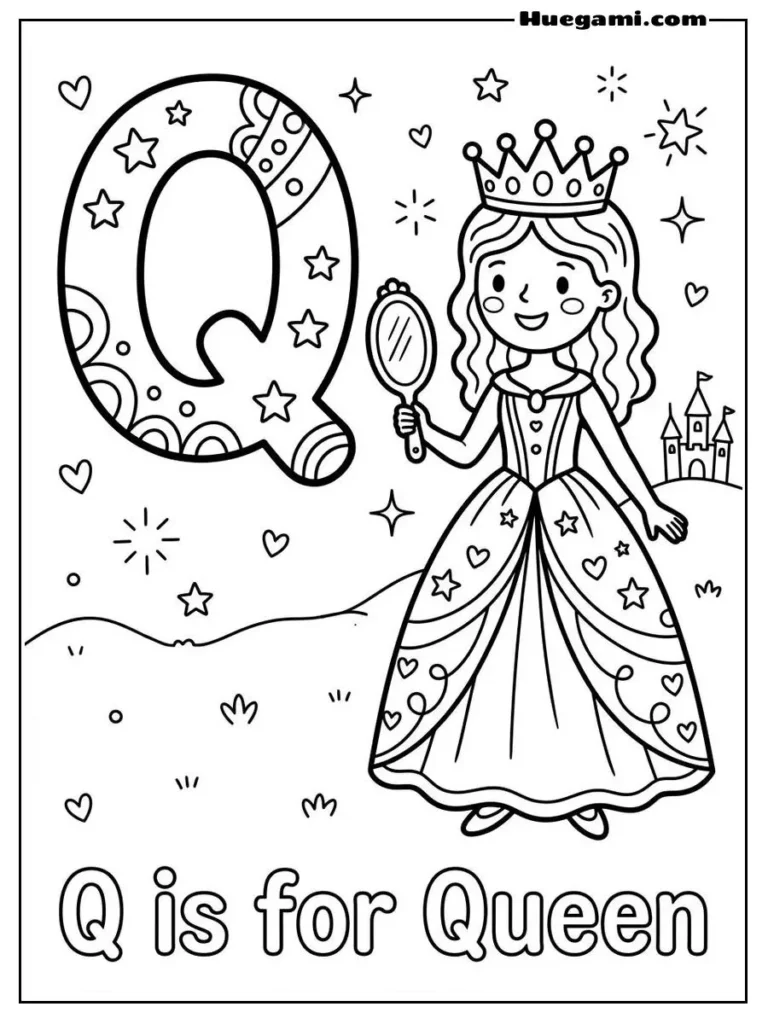
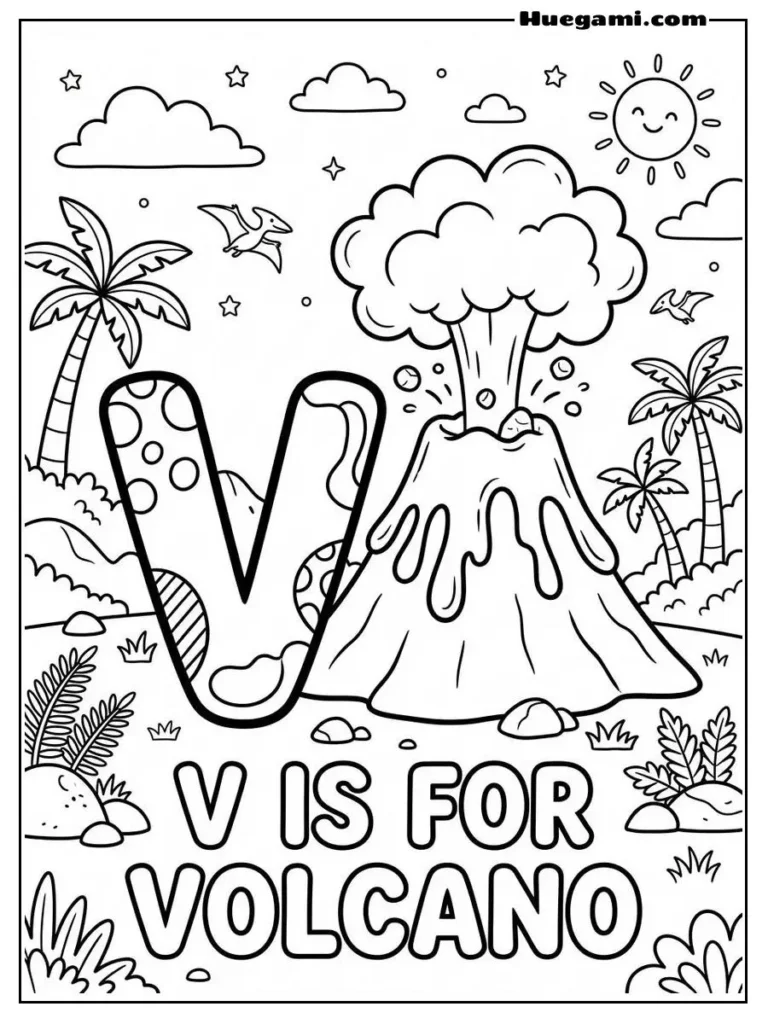
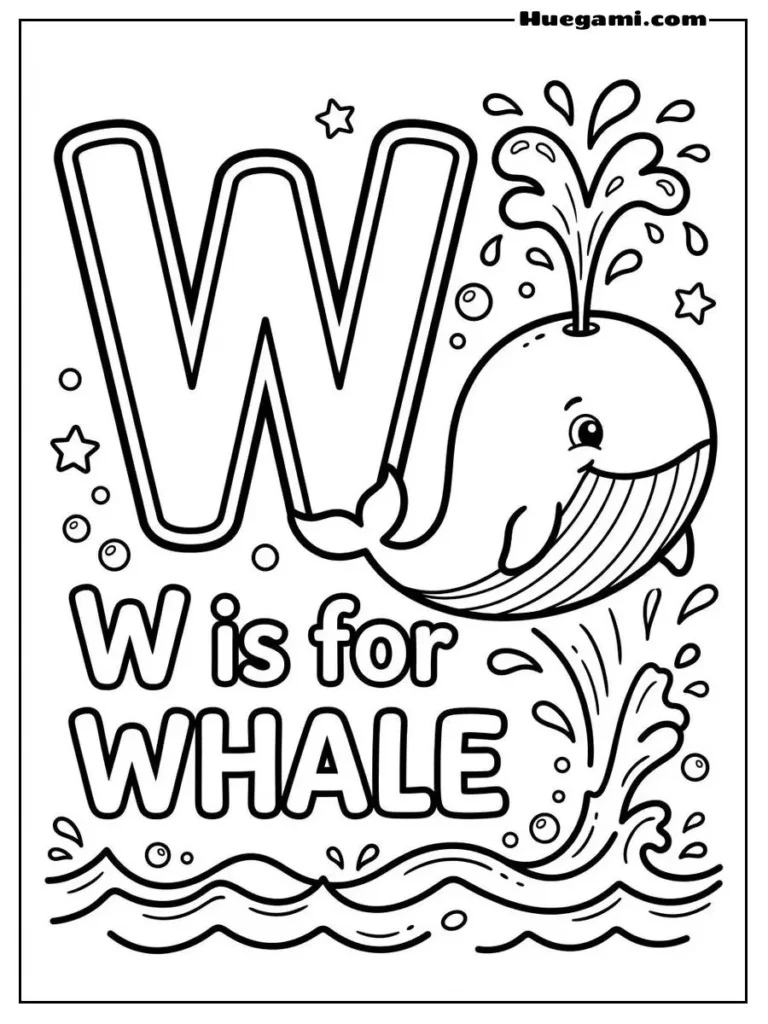
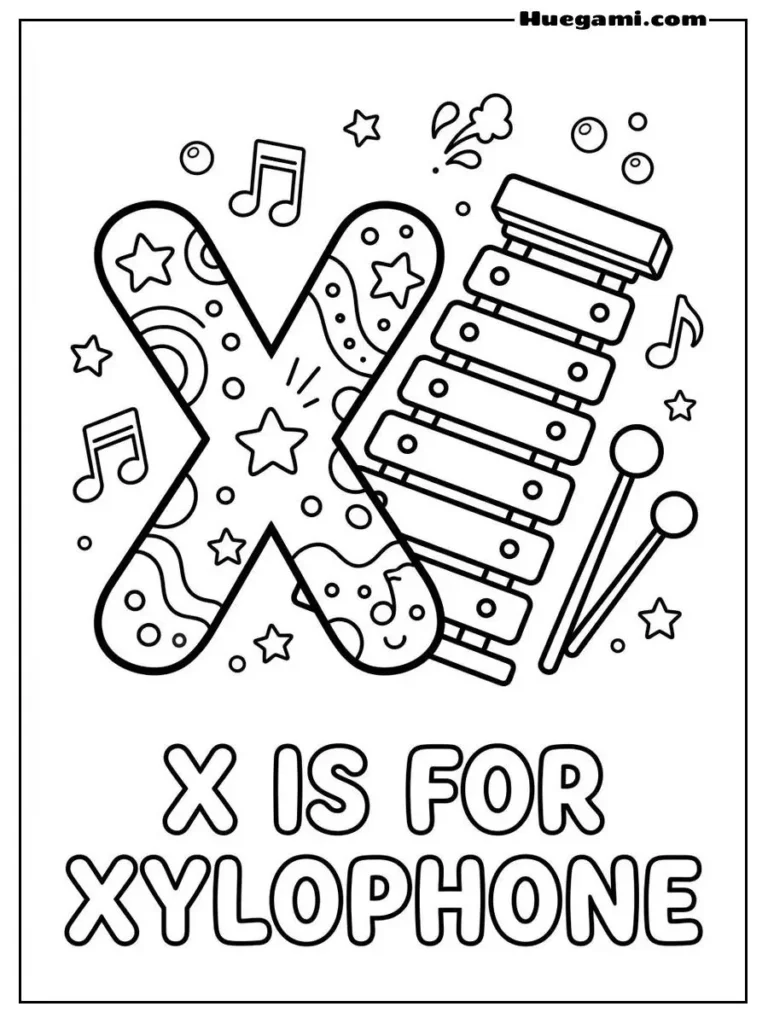
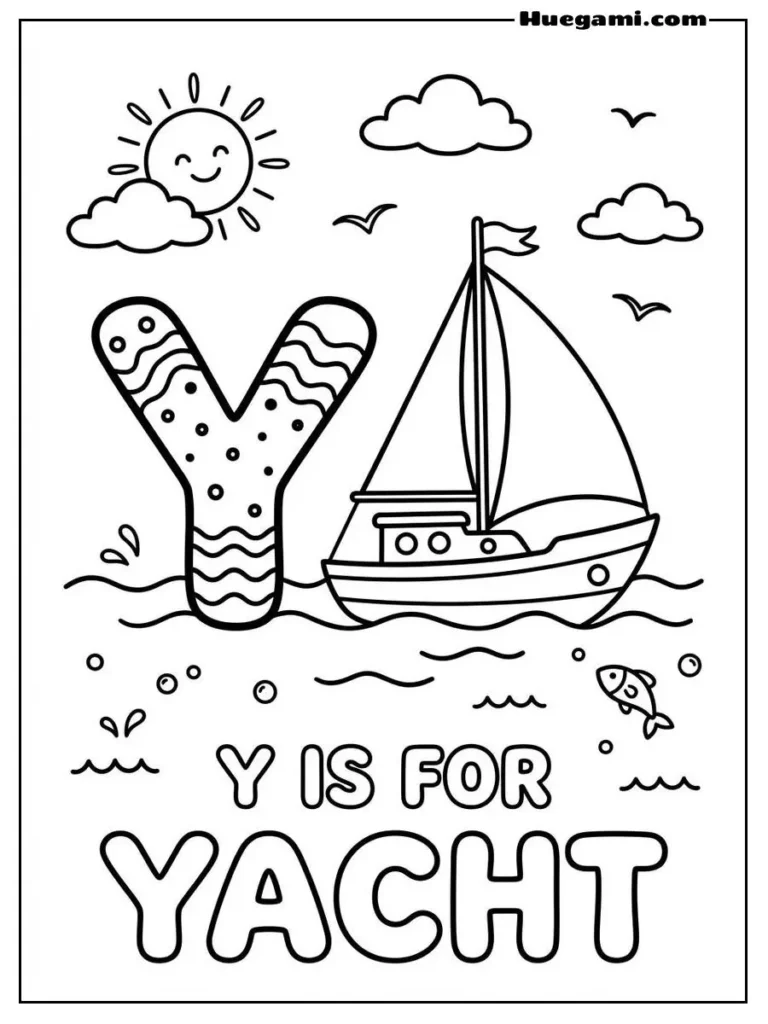
Our alphabet coloring sheets are designed to make every letter feel like a new friend. Each page gives children a clear, friendly letter to color, along with fun details that connect to the sound it makes. Here is a peek at the kinds of designs you can look forward to:
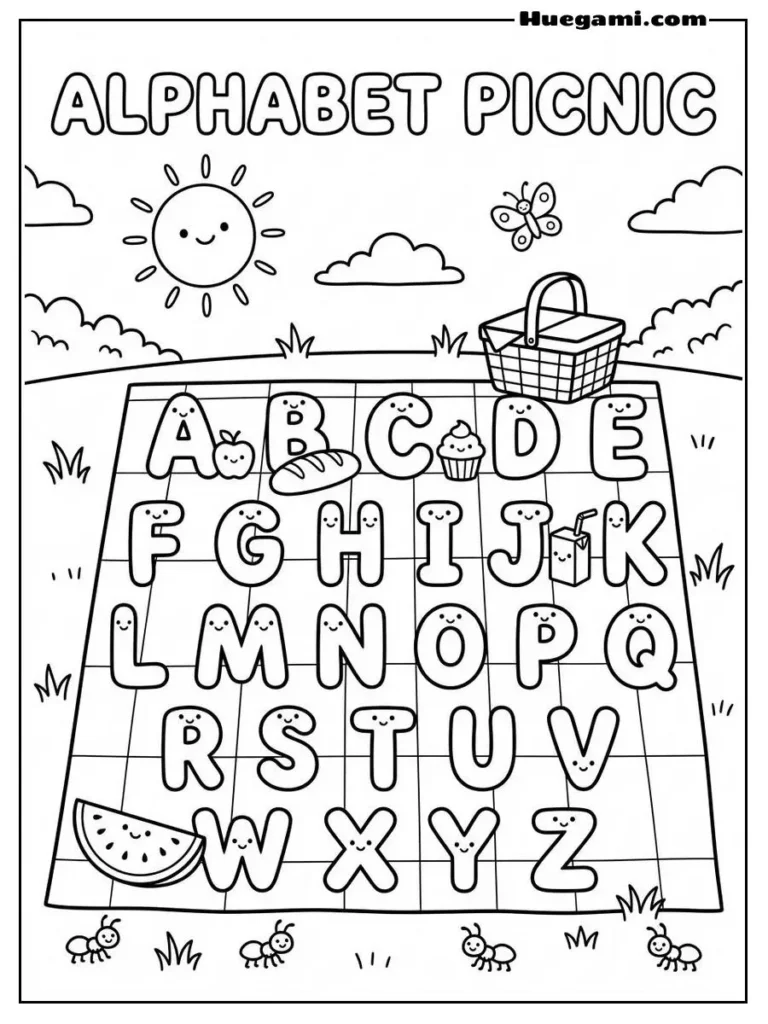
- Big bubble letters with wide, easy-to-color spaces, ideal for little hands that are just starting out.
- Uppercase and lowercase pairs shown together, so kids can spot how each letter changes outfits.
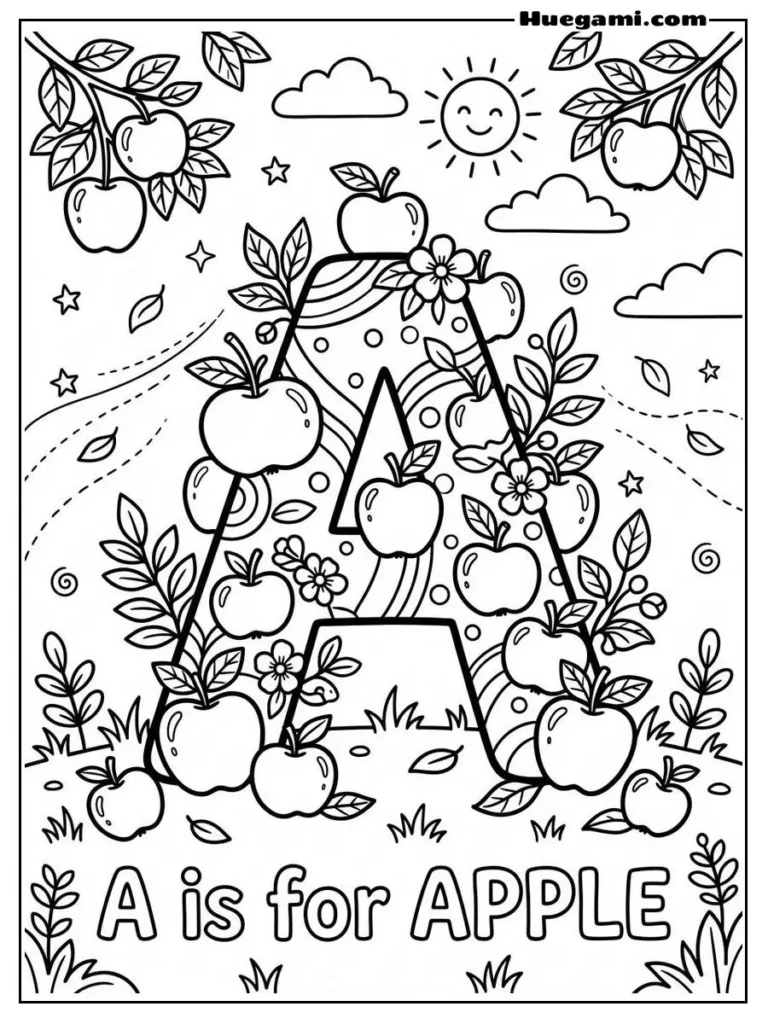
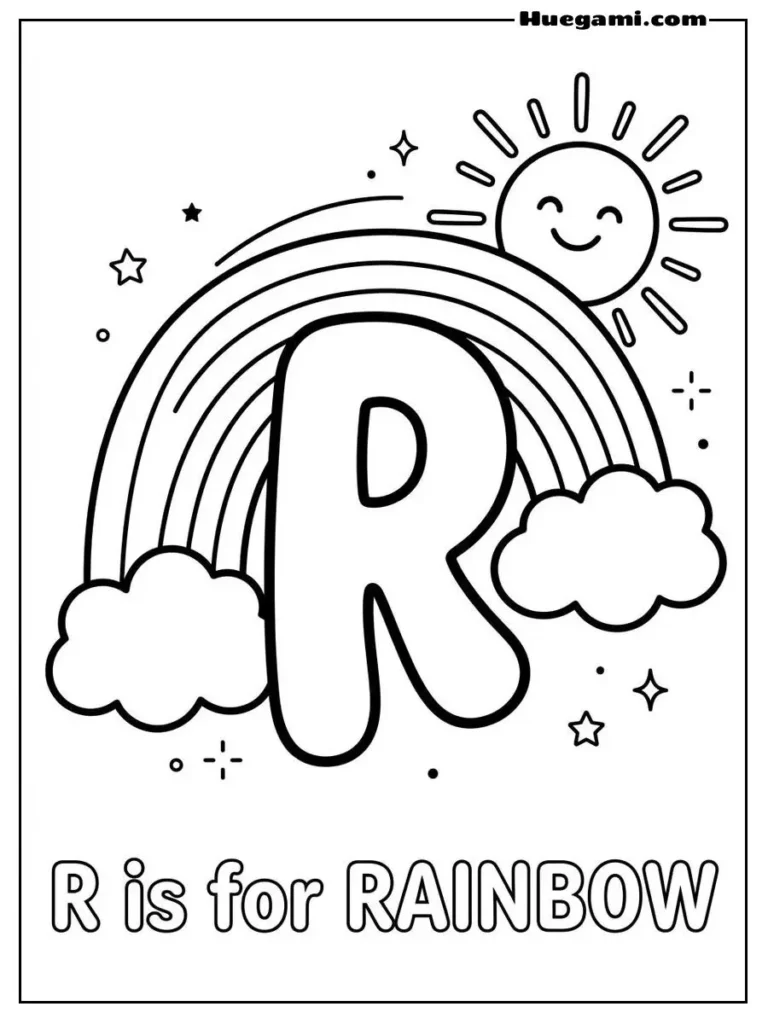
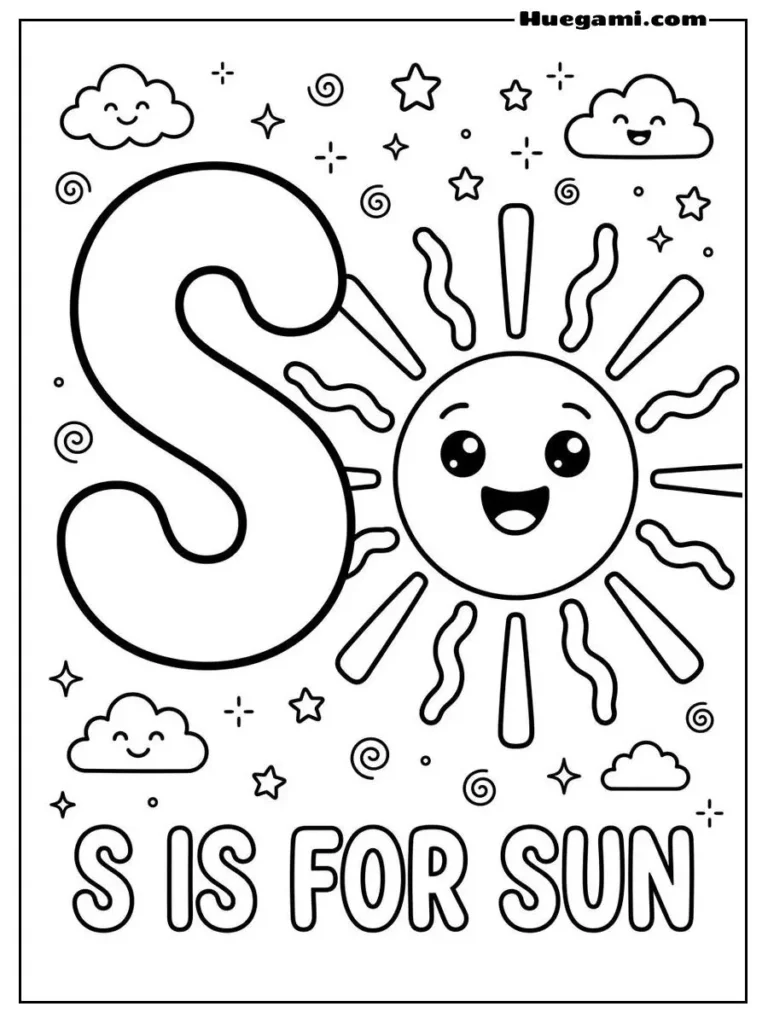
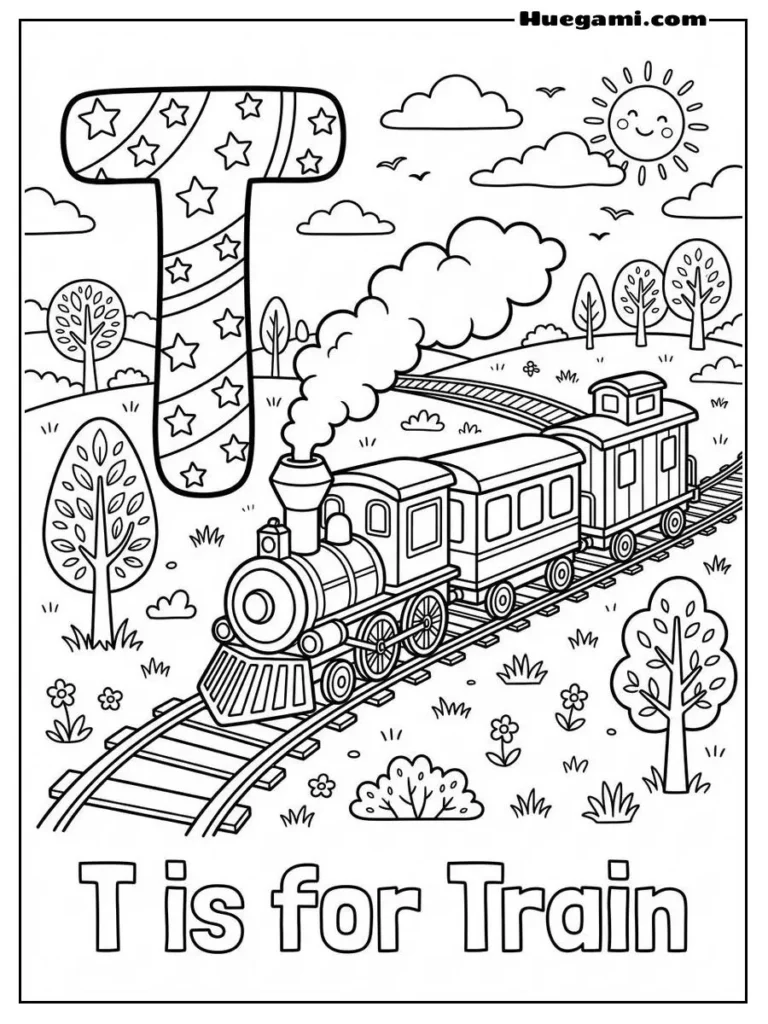
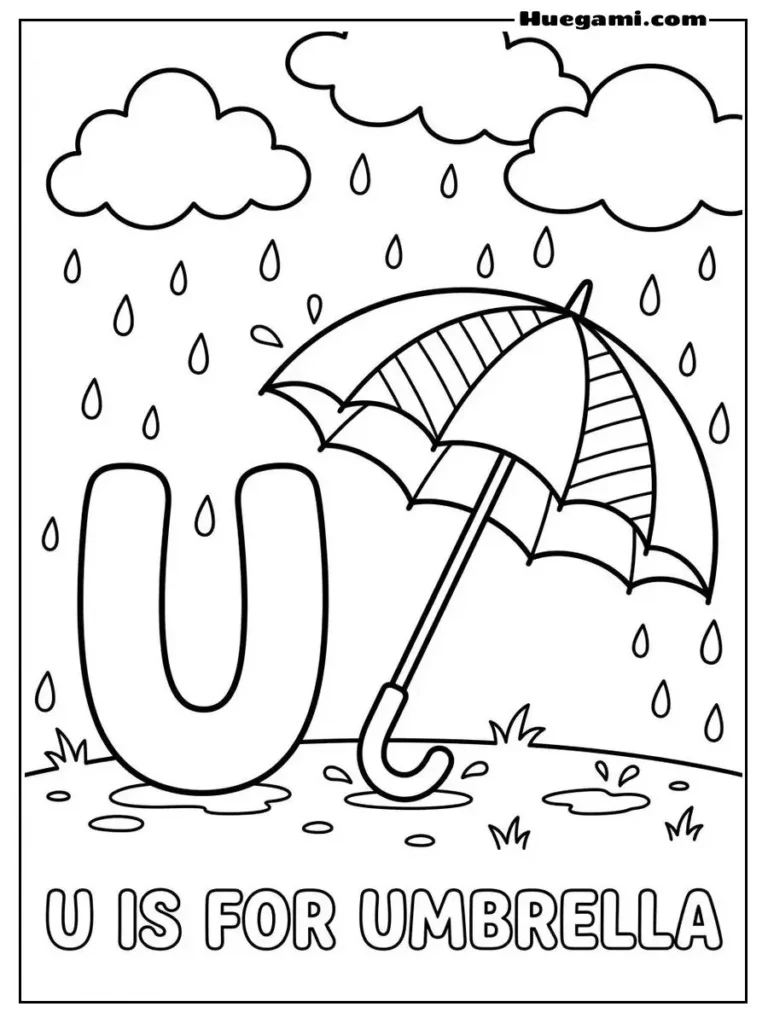
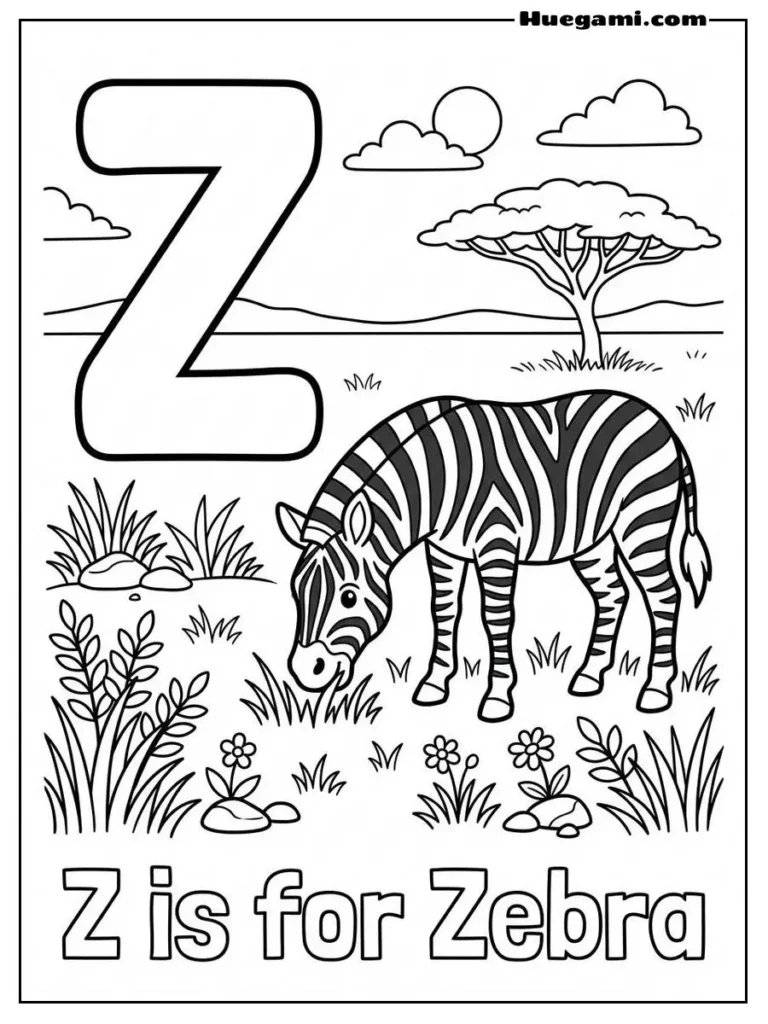
- Letter pages paired with friendly pictures of things that start with that sound, like an apple for A or a sun for S.
- Playful animal letters, where a creature curls, stretches, or perches to form the shape of the letter.
- Pages with a few extra patterns and decorations around the letter for children who enjoy more detail.
- Simple sheets with a letter and just one or two objects, great for quick sessions or younger beginners.
Browse through the collection, choose a letter, and see what catches your eye first. You can color them in order from A to Z, jump to the letters in your child’s name, or simply pick whichever page looks the most fun today.
What Kids Can Learn
Coloring a letter is a quiet way to practice letter recognition. As children trace the edges of a big B or fill in the curves of a lowercase s, they are studying the lines and shapes that will soon become part of their own handwriting. Holding a crayon and staying inside the lines also builds the small hand muscles that children use later when they write their own names. Because every page connects a letter with a picture and a sound, kids also get a gentle taste of phonics, saying the sound out loud as they color and noticing which words begin with it.
These kids learning printables also spark curiosity about words. A child coloring the letter D might start listing everything they know that starts with that sound, from dog to dinosaur to dinner. That kind of word-hunting grows vocabulary without feeling like a lesson. The sheets work well at home, in a classroom center, or in a quiet reading corner, and children at different stages can all enjoy them at their own pace.
How to Use and Print Your Sheets
Getting started takes just a few minutes. Here are some simple tips to help you make the most of your pages:
- Download the letter you want and print it on standard white paper. Choose a thicker paper if your little one likes to press hard with markers.
- Offer chunky crayons for toddlers and preschoolers, and markers or colored pencils for older children who like finer lines.
- Print each letter more than once, so kids can try out different color ideas on the same page.
- Hang the finished letters on a wall or the fridge in A-to-Z order, and watch your own alphabet display grow day by day.
Fun Ideas and Activities
Once the coloring is done, the alphabet fun can keep right on going! These ideas all grow out of the letters themselves, so they are a great way to turn a single sheet into a bigger learning adventure.
- Letter scavenger hunt: Pick a letter, color its page, then search the house or yard for objects that start with that sound and gather them in a basket.
- Name spelling banner: Color the letters in a child’s name, cut them out, and string them together in order to make a personal banner for a bedroom door.
- Alphabet song parade: Lay the finished pages in order on the floor and hop from A to Z while singing the alphabet song, pointing to each letter as you go.
- Mystery word game: Color several letters, mix them up, and see if your child can arrange them to spell a simple word like “cat” or “sun.”
- Alphabet picture book: Staple the colored pages together and let your child draw one extra picture on each page that starts with that letter, creating a one-of-a-kind alphabet book.
- Match the pair: Color uppercase and lowercase versions of the same letter on separate pages, then play a matching game to pair them back up.
Frequently Asked Questions
What age should children be to start using alphabet coloring pages?
Many children enjoy coloring big, simple letters as toddlers or preschoolers, especially with a grown-up nearby to name the letters together. Older children can move on to the detailed pages and spend more time on each one. Every child learns at their own pace, so choose whichever pages feel comfortable and fun.
Should my child start with uppercase or lowercase letters?
There is no single right answer, and teachers have different preferences. Many families begin with uppercase letters because their shapes are simple and easy to spot, then add lowercase letters later. You can also start with the letters in your child’s name, since those are already special to them.
Can I use these pages for a letter-of-the-week plan?
Absolutely! Simply print one letter page for the week and let children color it a little each day while you talk about words that start with that sound. Our free printables are easy to fit into a daily routine at home or in a classroom.
What if my child gets frustrated with the smaller spaces?
That is completely normal for beginners! Try a page with bigger, bolder letters and a chunky crayon, which is easier to hold and fills space quickly. It is also perfectly fine if the colors wander outside the lines, since the goal is to enjoy getting to know the letters.
Can these sheets help children who speak another language at home?
They can be a friendly way to get familiar with the English letters and their sounds, especially when paired with pictures. Adults can say the letter name and a few simple words together with the child as they color. Learning a new alphabet takes time, so keep sessions short and cheerful.
Conclusion
The alphabet is one of the most useful things a child will ever learn, and it all begins with 26 simple shapes. As you have seen, those letters have a long and interesting story, from picture symbols to the sound-based letters we use today. Understanding where letters come from, how they sound, and how they fit together can make learning them feel like a delightful discovery rather than a chore.
Our free alphabet coloring sheets give children a happy, hands-on way to meet each letter, practice their grip, and connect shapes with sounds. Whether you color one letter a day or fill a whole afternoon with A-to-Z fun, every page is a small step toward confident reading and writing. Print a few today, gather your crayons, and enjoy the adventure together. When you are ready for more, explore more Learning & Affirmations Coloring Pages on Huegami.