We offer a wide collection of free, high-quality printable coloring pages for kids and adults. From cute animals to intricate mandalas, our designs bring creativity and relaxation to everyone. Download, print, and start coloring today!


There’s a reason the internet fell in love with the world’s chillest rodent: capybaras have a knack for staying calm no matter what’s happening around them, and that easygoing charm makes them a wonderful subject for a coloring page. Whether it’s floating in a pond, snoozing in the grass, or hanging out with a bird perched on its back, this gentle giant has a personality that kids and grown-ups alike find irresistible. At Huegami, we’ve put together a whole collection of capybara coloring sheets made just for that fanbase — free, printable, and ready whenever creativity strikes. If you’ve been searching for free capybara coloring sheets that capture just how lovable these animals really are, you’re in exactly the right place. Grab your favorite crayons, markers, or colored pencils, and let’s get started.
↓ Jump to the free printable pages
Meet the Capybara
The capybara is the largest rodent in the world, and yet somehow it’s also one of the most laid-back animals you’ll ever come across. Native to South America, capybaras are most at home in the wetlands, grasslands, and riverbanks of countries like Brazil, Venezuela, and Argentina, where warm, wet habitats give them everything they need: plenty of grass to graze on and plenty of water to cool off in. These wildlife coloring sheets favorites are semi-aquatic, meaning they’re just as comfortable paddling through a river as they are lounging on dry land. Their webbed feet make them surprisingly strong swimmers, and capybaras can even hold their breath underwater for several minutes, which is a handy trick when a predator wanders too close.
Capybaras are closely related to guinea pigs, cavies, and other rodents, though they’ve evolved to be dramatically bigger — some adults can grow to be about the size of a medium dog. Their bodies are built for their watery lifestyle: barrel-shaped, low to the ground, with eyes, ears, and nostrils positioned high on their heads so they can keep watch while mostly submerged. Their fur is coarse and reddish-brown, helping them blend into muddy riverbanks and tall grasses.
What really sets the capybara apart, though, is its social nature. These animals live in groups that can range from a handful of individuals to much larger communities, working together to watch for danger, share grooming duties, and raise their young. This friendly temperament is exactly why capybaras have become famous for their unlikely animal friendships — it’s common to see birds, rabbits, and even monkeys resting comfortably on a capybara’s back, using it almost like a floating island. Scientists believe this calm, tolerant behavior comes from the capybara’s low-stress approach to life: they rarely act aggressively, even toward animals that might seem like an odd match. It’s a trait that has made them something of an internet sensation and a favorite subject for anyone creating printable animal coloring pages, since their round shape and peaceful expressions are just plain fun to bring to life with color.
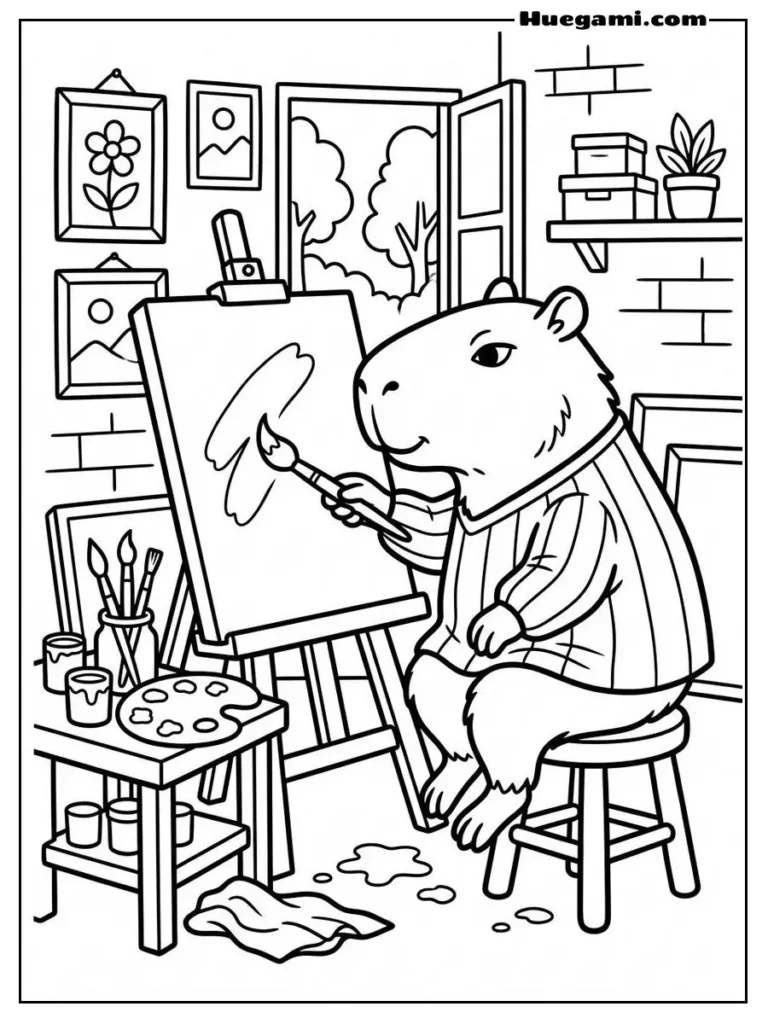
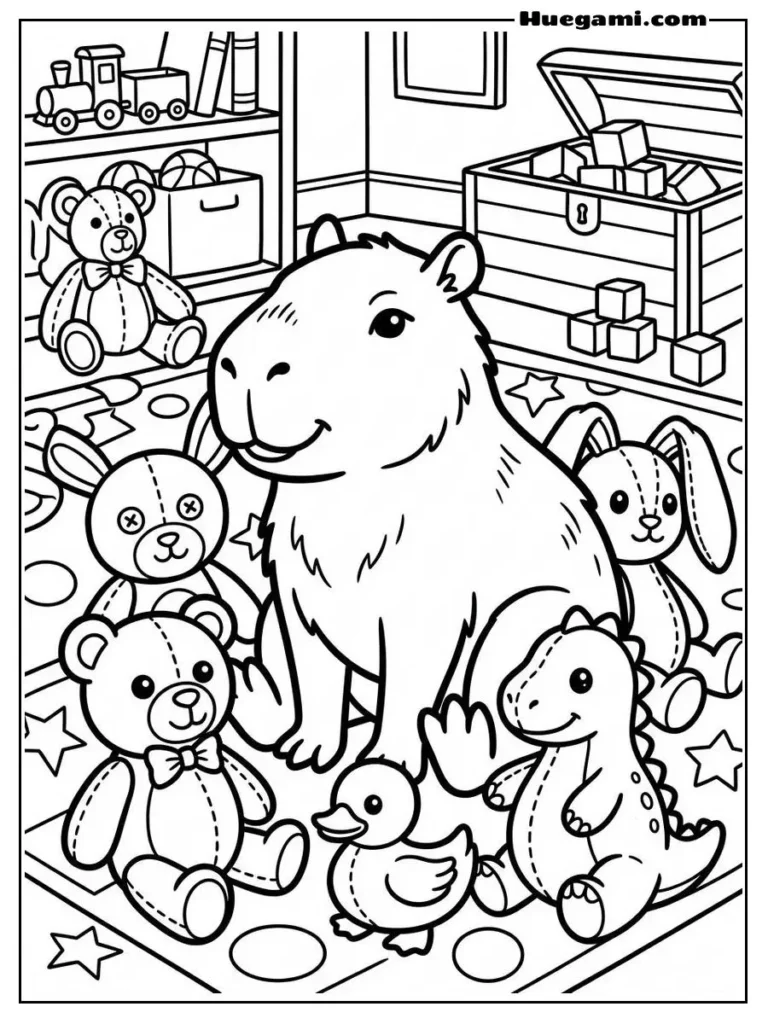
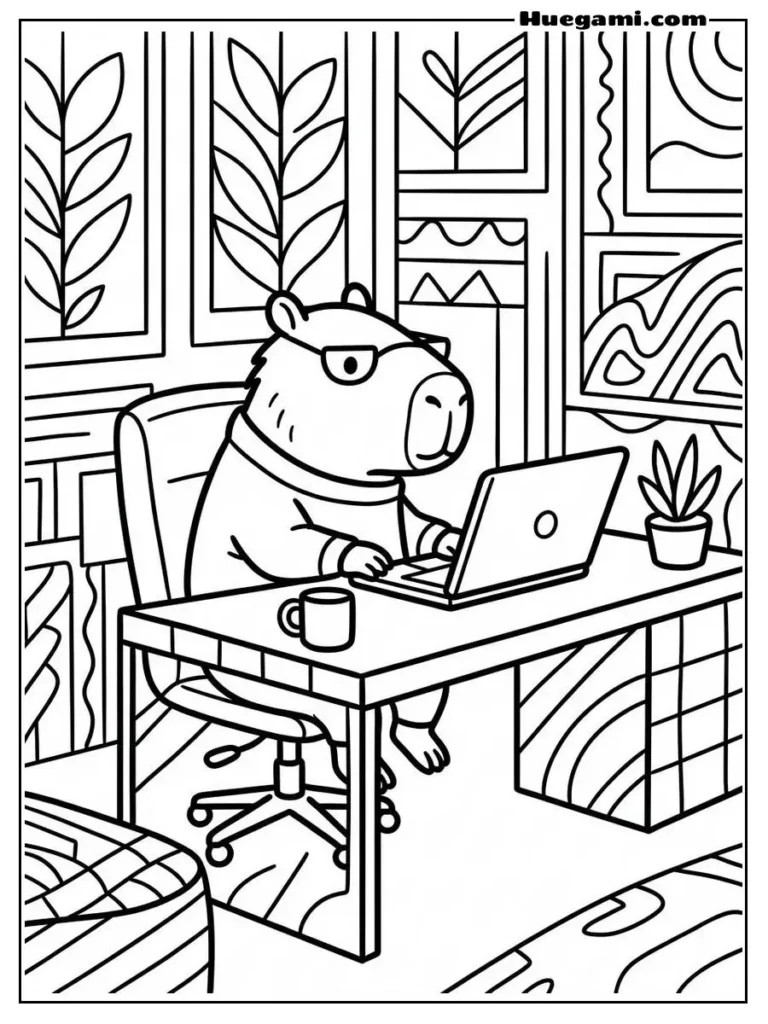

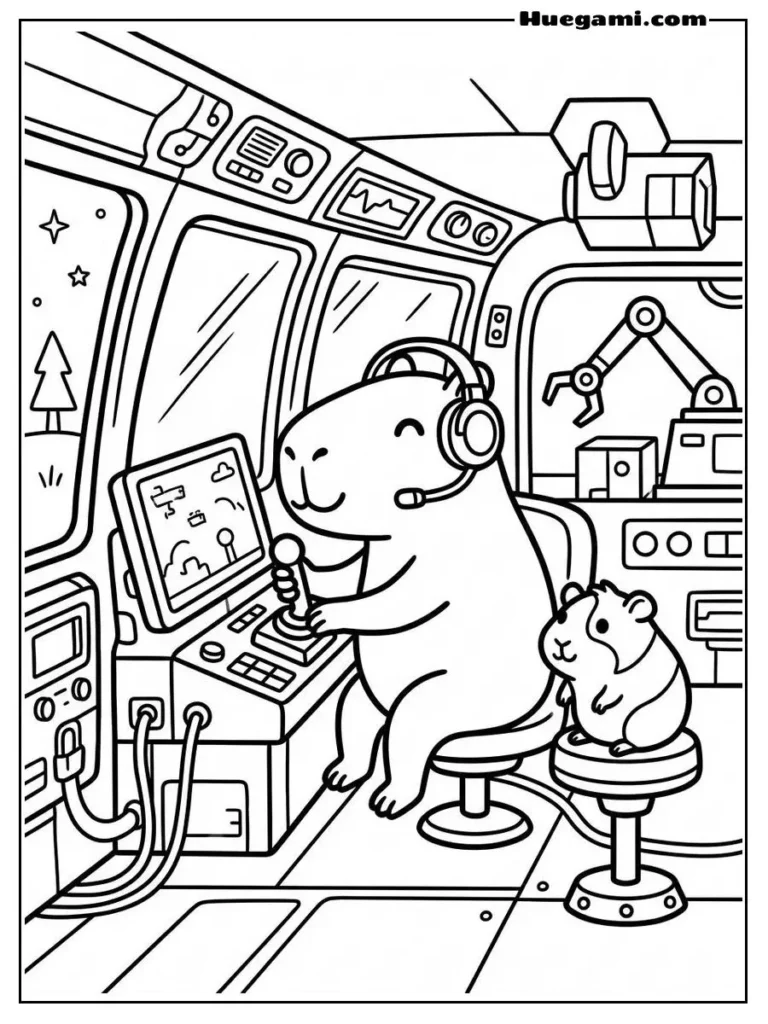
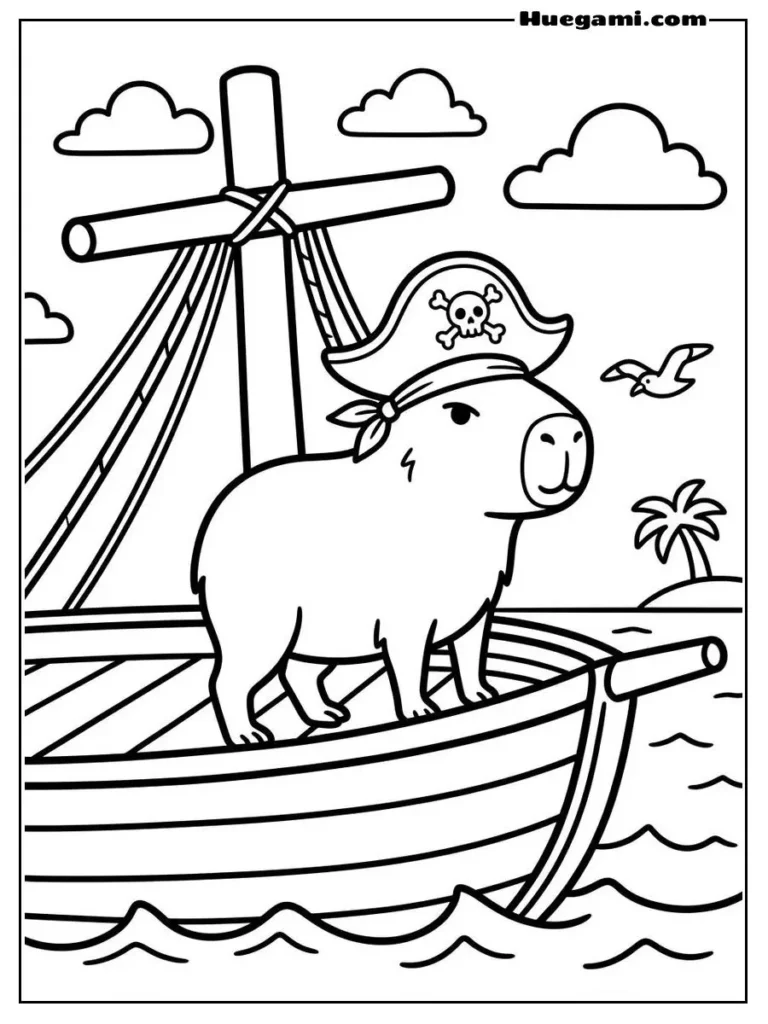
Where Do Capybaras Live?
Capybaras thrive in habitats where land and water meet. Marshes, swamps, flooded grasslands, and the banks of slow-moving rivers all make perfect capybara territory, since these animals need reliable access to water not just for drinking, but for cooling off, escaping predators, and even mating. Much of their range stretches across Central and South America, following rivers and wetlands from Panama down through the Amazon basin and into the grassy plains further south.
Because they’re grazing animals, capybaras spend a lot of their day eating grasses and aquatic plants, and their digestive systems are specially adapted to get the most nutrition out of tough, fibrous vegetation. Living near water also means capybaras share their habitat with plenty of other wildlife, from caimans and herons to the birds that so often perch on their backs. A group of capybaras moving through the shallows, half-submerged with just their eyes and ears poking above the waterline, is one of the most recognizable sights in South American wetlands. When the dry season arrives and water becomes scarce, capybara groups will travel together in search of a new pond or river, sticking close as a family unit the whole way. It’s this deep connection to water, combined with their strong sense of community, that makes the capybara’s habitat just as fascinating as the animal itself — and a great jumping-off point for young readers curious about wetland ecosystems.
What’s Inside These Coloring Sheets
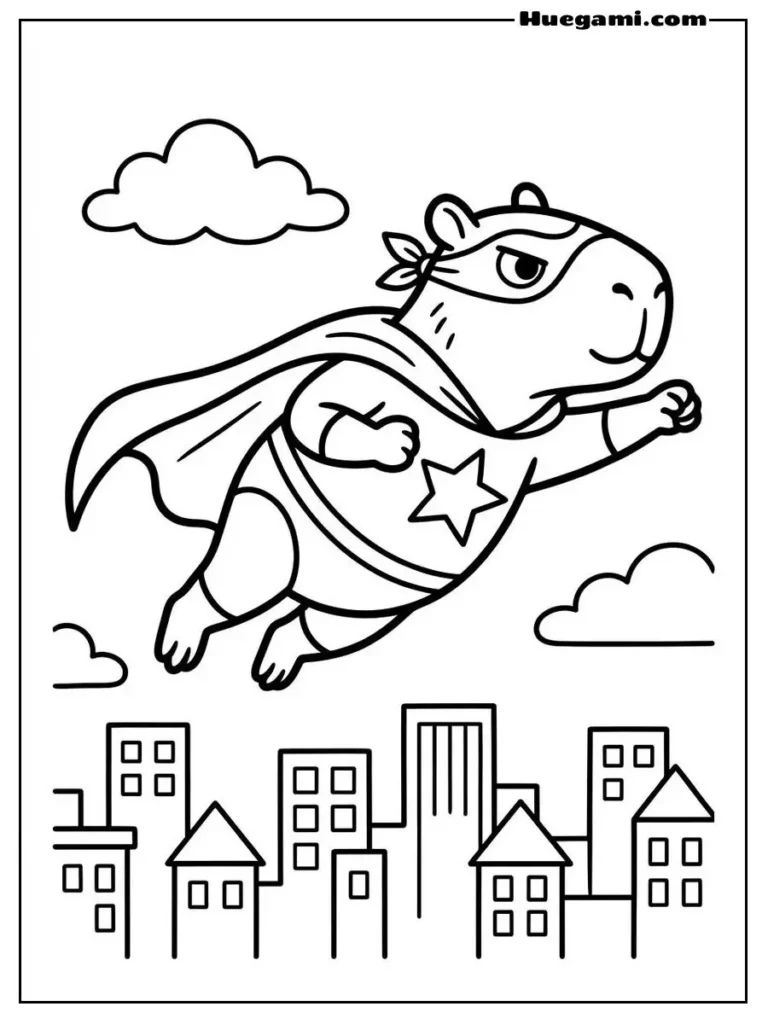
Our capybara coloring pages are designed with variety in mind, so there’s something for every capybara fan no matter their age or coloring style. Here’s a peek at what you’ll find inside:
- Simple, big-lined capybara portraits perfect for toddlers and preschoolers
- Detailed wetland scenes with capybaras wading through rivers and marshes
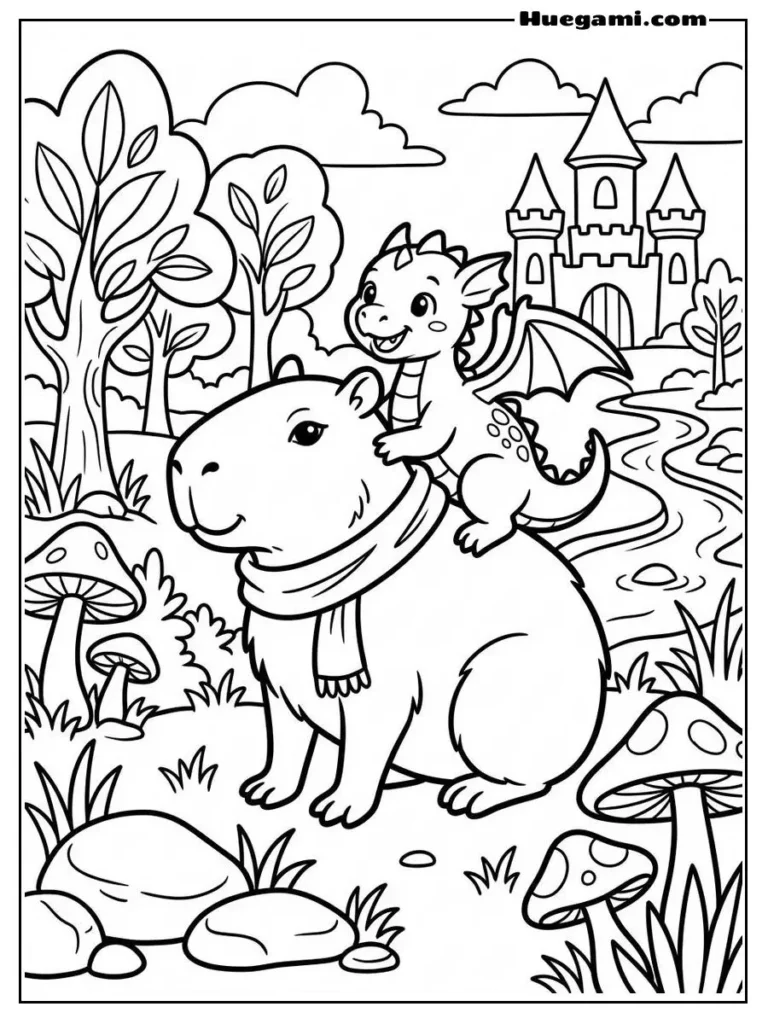
- Playful pages showing capybaras with their famous animal friends, like birds and rabbits
- Family groups of capybaras lounging together, ideal for practicing patterns and color combinations
- Close-up capybara faces highlighting their round noses and gentle expressions
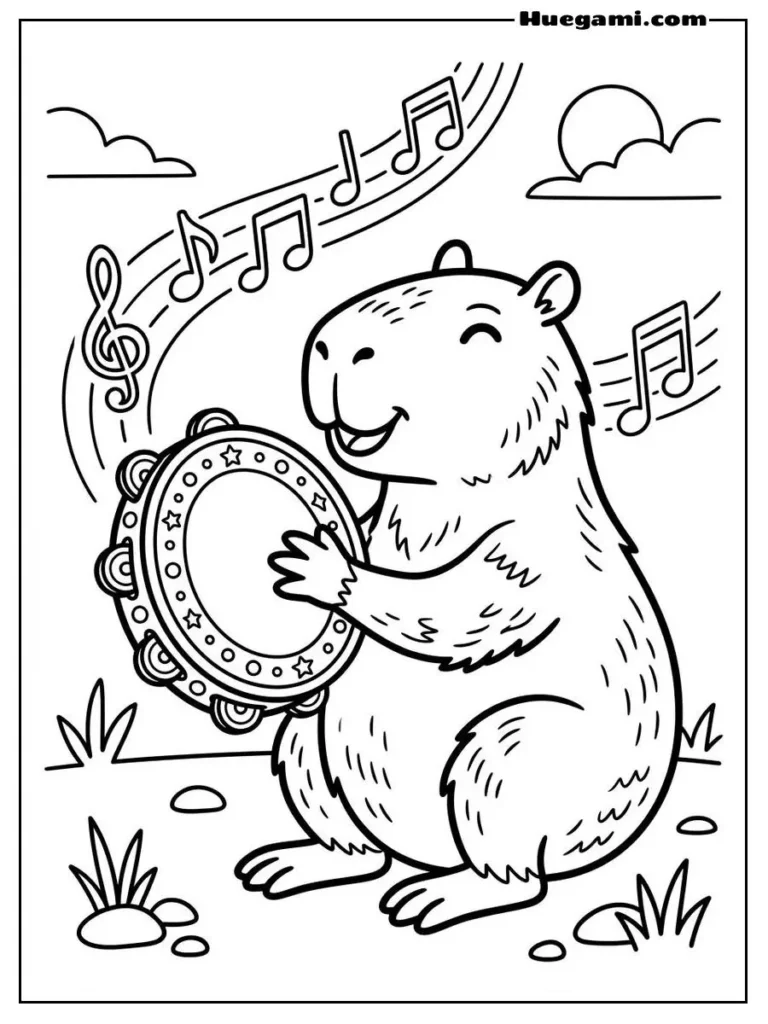
- Capybaras in fun everyday moments, from grazing on grass to relaxing in the sun
- A mix of easy and more intricate designs so older kids can find an extra challenge
Whether you’re after a quick, relaxing coloring session or a more involved project, this collection of printable capybara coloring book pages has a design ready to print.
What Kids Can Learn
Beyond the simple joy of picking colors and filling in a page, coloring these sheets gives kids a chance to practice fine motor skills like hand control and staying within lines, all while their focus is on an animal that naturally sparks curiosity. As they color, kids often start asking questions — why does the capybara like water so much, or why do birds sit on its back — which opens the door to real conversations about habitats, animal behavior, and how different species can get along.
These pages also build a gentle foundation for learning about South American wildlife and wetland ecosystems, topics that connect nicely to broader lessons about geography and nature. The sheets work well for toddlers just discovering crayons all the way up to older kids ready for more detailed scenes, and teachers often find them useful for quiet time or as a creative tie-in during an animal unit.
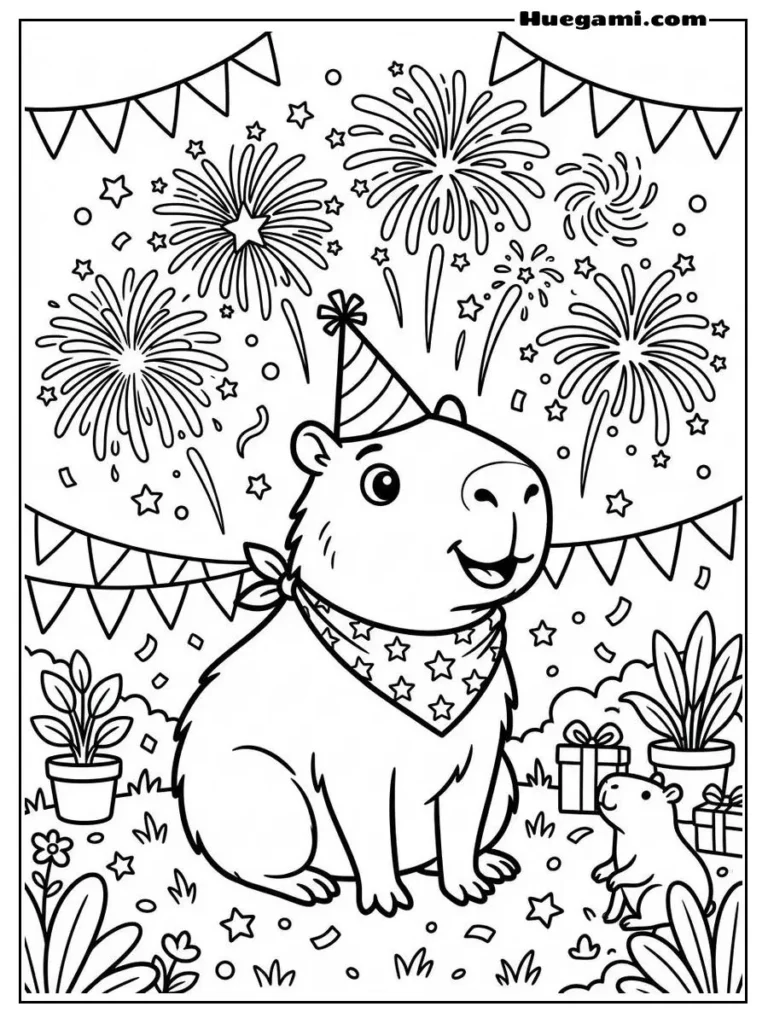
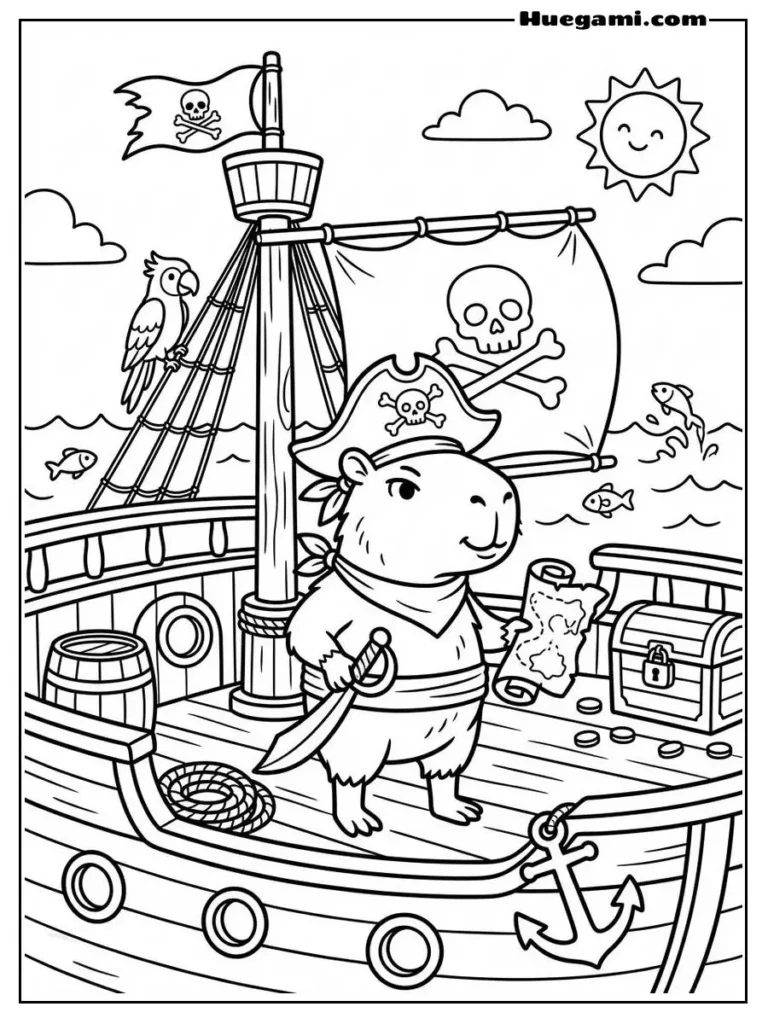
How to Use and Print Your Sheets
Getting started with your capybara pages is quick and simple. Just keep a few things in mind:
- Download the sheet you like and print it on standard printer paper for everyday use
- For younger kids, thick crayons or chunky markers are easier to grip than colored pencils
- Older kids and adults might enjoy the extra detail that colored pencils can add to the more intricate scenes
- Once finished, pin the artwork to the fridge or a bulletin board to give it a proud place on display
Fun Ideas and Activities
Coloring is just the beginning when capybaras are involved — their unique habits open up all sorts of themed activities. Try pairing your coloring session with one of these capybara-inspired ideas:
- Look up photos or videos of capybaras and their animal friends, then color a page featuring your favorite pairing
- Make a simple wetland scene by gluing colored tissue paper “water” around a finished capybara page
- Play a matching game naming other animals that share the capybara’s wetland habitat
- Host a “calm capybara” quiet-time activity, since these animals are famous for their relaxed nature
- Create a mini poster comparing a capybara to a guinea pig, its much smaller relative
- Take turns describing what a capybara might be thinking in each coloring scene, then write a silly caption
Frequently Asked Questions
Are capybaras dangerous to be around?
In the wild, capybaras are known for being calm and non-aggressive, which is part of why they get along so well with other animals. That said, they’re still wild animals, so it’s always best to admire them from a distance rather than approach them in person.
What age group are these coloring sheets best for?
We’ve designed this collection with a wide range of ages in mind, from simple bold-lined pages for toddlers to more detailed scenes for older kids and even adults. Every sheet is free to print, so families can pick whichever design fits best.
Do capybaras really let other animals sit on them?
Yes, it’s a well-known and well-documented behavior. Capybaras are so relaxed that birds, rabbits, and other small animals often use them as a resting spot, and several of our coloring pages capture this playful friendship.
Can I use these coloring sheets in my classroom?
Absolutely! Teachers often use our capybara pages during animal or habitat units, quiet time, or as a fun creative break. Since they’re free and printable, you can make as many copies as your classroom needs.
What supplies work best for coloring these pages?
Crayons and chunky markers are great for younger children who are still developing their grip, while colored pencils let older kids add more detail to the intricate wetland scenes. Any coloring tool you already have at home will work just fine.
Conclusion
From their watery wetland homes to their surprising friendships with birds and other animals, capybaras are proof that being calm and easygoing can make you one of the most beloved creatures around. We hope learning a little more about where they live and how they behave made coloring them even more fun.
Now it’s your turn to bring these gentle giants to life with color. Download our free capybara coloring sheets today, pick out your favorite scene, and enjoy some relaxing, capybara-inspired creativity. For even more animal-themed fun, explore our Nature & Animals Coloring Pages on Huegami.